
Why Weed Makes Music Sound Better
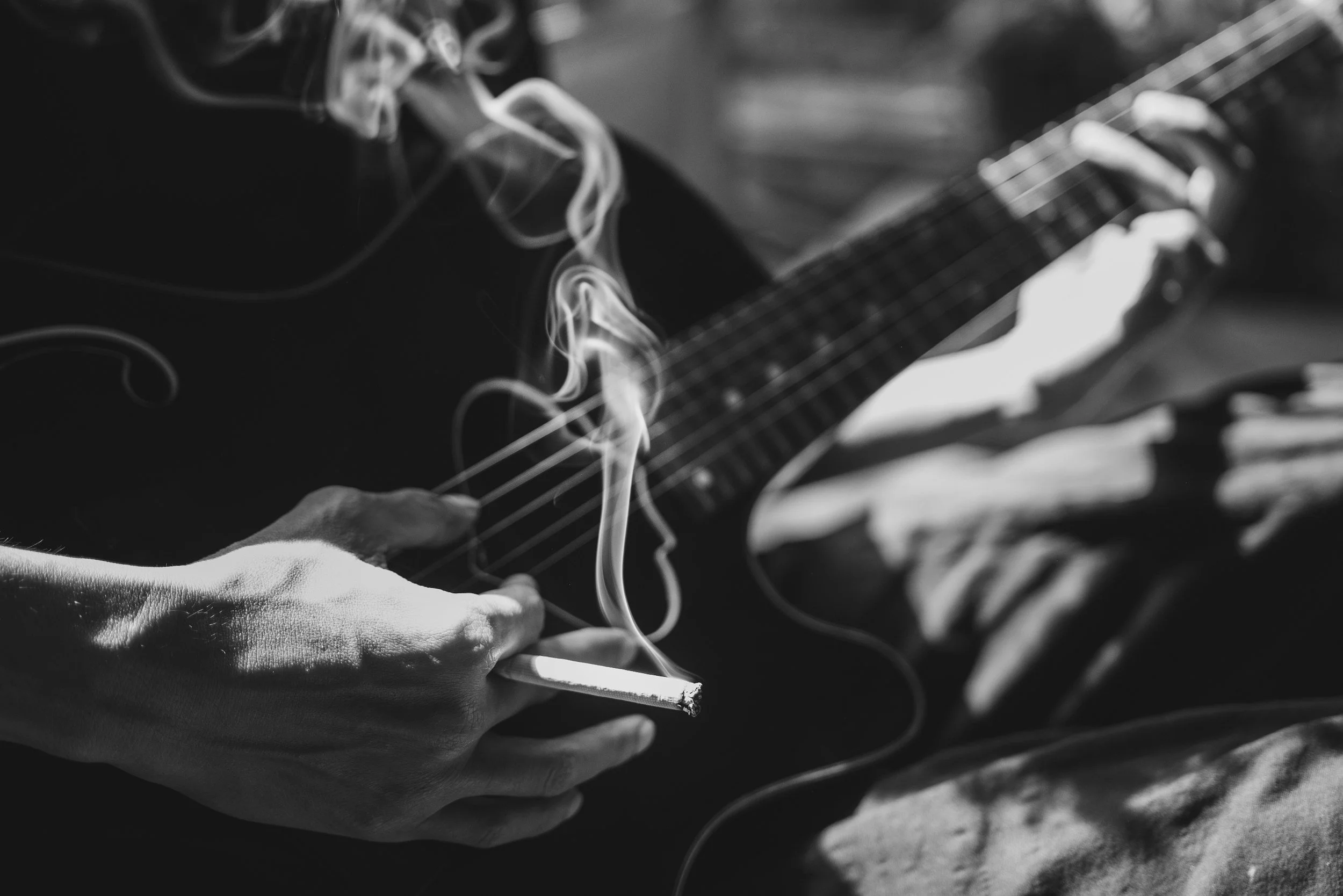
Music and cannabis have shared cultural space for generations. From jazz clubs in the early twentieth century to modern studio sessions and live concerts, cannabis has long been part of creative and listening experiences.
Many cannabis consumers report a familiar sensation: music seems richer, deeper, and more immersive when they are high.
Listeners often notice subtle details in songs they had never heard before. Rhythms feel more textured. Lyrics resonate more emotionally.
This experience is not just cultural mythology. Cannabis interacts with several areas of the brain responsible for sensory perception, reward, and emotional processing.
Understanding how cannabis influences the brain helps explain why music can feel more powerful when THC enters the equation.
Cannabis and the Brain
The primary psychoactive compound in cannabis is THC (tetrahydrocannabinol).
THC interacts with the body’s endocannabinoid system, which plays a role in regulating mood, sensory perception, memory, and emotional response.
When THC binds to cannabinoid receptors in the brain—particularly CB1 receptors—it influences neural activity across several regions involved in how humans interpret sensory information.
These interactions can change how the brain processes sound.
As a result, familiar music may feel new or more detailed.
Heightened Sensory Awareness
One of the most noticeable effects of cannabis is heightened sensory perception.
THC can amplify how the brain processes incoming sensory signals. Sounds, colors, flavors, and textures may feel more pronounced.
In the context of music, this heightened perception can make subtle elements stand out.
Listeners may notice background instruments, layered harmonies, or small production details that might otherwise go unnoticed.
Producers and audio engineers spend significant time crafting these elements into recordings.
Cannabis may simply allow listeners to perceive them more clearly.
The Dopamine Connection
Another reason music feels more enjoyable when using cannabis involves dopamine, a neurotransmitter associated with pleasure and reward.
Both music and THC can stimulate dopamine activity in the brain.
Music already activates reward pathways when listeners experience emotional peaks or satisfying rhythms.
When cannabis is introduced, the brain’s reward system may become even more sensitive to those moments.
This overlap can make music feel more emotionally impactful.
A chorus drop, instrumental solo, or bassline shift may trigger a stronger emotional response.
Time Perception and Musical Immersion
Cannabis can also alter the brain’s perception of time.
Some listeners report that music seems to unfold more slowly or with greater clarity when they are high.
This altered sense of timing can make rhythmic patterns feel more intricate.
Drum patterns, basslines, and melodic phrasing may appear more distinct because the brain is processing the experience differently.
The result can feel like a deeper immersion in the music itself.
Emotional Amplification
Music often carries emotional weight, whether through lyrics, melodies, or rhythm.
Cannabis may influence emotional sensitivity, making listeners more receptive to those emotional cues.
Songs that already hold personal meaning may feel even more powerful.
Instrumental music can also feel more vivid because emotional interpretation becomes more intense.
This emotional amplification contributes to the perception that music sounds “better” when high.
Cannabis and Creativity
The connection between cannabis and music is not limited to listeners.
Many musicians have historically described cannabis as part of their creative process.
Cannabis may influence how artists approach rhythm, melody, and composition.
The altered perception of time and sensory detail may encourage experimentation with sound textures and musical structures.
While creativity is highly individual and influenced by many factors, cannabis has historically played a role in many artistic communities.
Why Experiences Differ
Not everyone experiences music enhancement with cannabis.
Several variables influence how cannabis affects perception:
• THC dosage
• terpene profiles
• individual tolerance
• personal brain chemistry
• environment and listening conditions
Higher doses of THC may produce overwhelming sensory input for some individuals.
Lower doses may allow listeners to enjoy subtle sensory shifts without becoming distracted.
As with many cannabis experiences, balance often plays an important role.
Terpenes and Mood
Terpenes—the aromatic compounds found in cannabis—may also influence mood and perception.
Different terpene profiles can shape the overall cannabis experience.
Some terpene combinations may feel uplifting or mentally stimulating, while others feel calming.
These variations may subtly influence how someone engages with music.
Because cannabis products contain diverse terpene profiles, the listening experience can vary depending on the product’s chemical composition.
Cannabis, Culture, and Sound
The connection between cannabis and music extends far beyond neuroscience.
Across decades of cultural movements—jazz, reggae, hip-hop, rock, and electronic music—cannabis has appeared as part of creative and listening environments.
Artists, producers, and listeners have often described cannabis as something that helps them slow down, listen more carefully, and connect with sound on a deeper level.
Whether experienced in a live concert environment, a recording studio, or through headphones at home, cannabis and music continue to intersect in meaningful ways.
Silly Nice and Cannabis Culture
Silly Nice approaches cannabis production with a focus on terpene expression, small-batch craftsmanship, and preserving the natural chemistry of the plant.
Products such as infused flower, solventless concentrates, and terpene-rich vape formulations highlight the compounds that shape sensory experiences.
By prioritizing terpene preservation and cannabinoid balance, the brand reflects the broader cultural appreciation for cannabis as a sensory experience.
Each product is lab tested for purity and cannabinoid composition.
Consumers who want to explore detailed product information can access Certificates of Analysis at:
Music, Cannabis, and Sensory Experience
Music already has the ability to move people emotionally and physically.
Cannabis can interact with the brain’s sensory and reward systems in ways that heighten that experience.
By influencing perception, time awareness, and emotional sensitivity, THC can make music feel richer and more immersive.
While experiences vary from person to person, the long-standing relationship between cannabis and music reflects both cultural tradition and the fascinating chemistry of the human brain.