
Why Weed Makes You Hungry: The Science Behind the Munchies
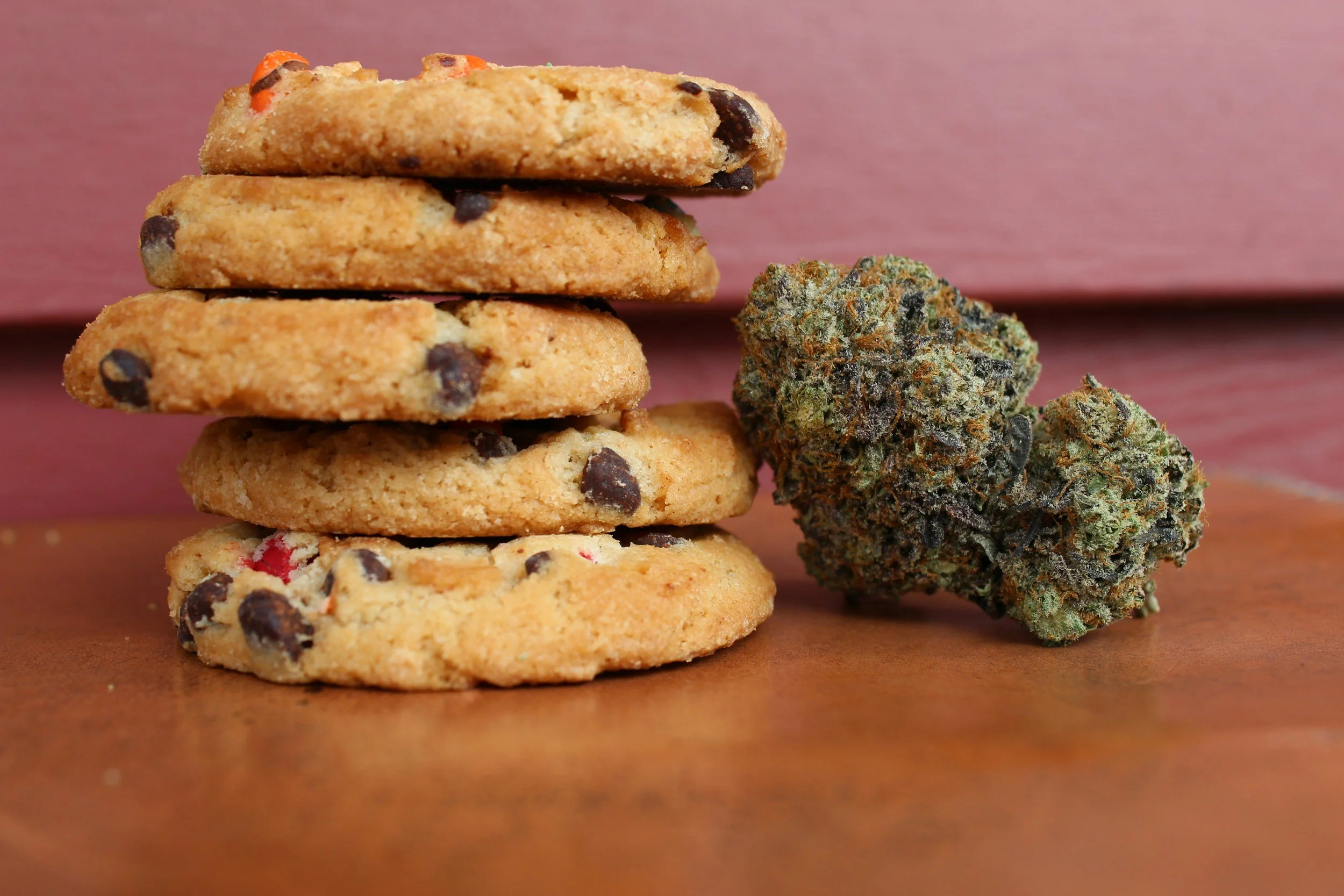
One of the most widely recognized effects of cannabis is the sudden increase in appetite often referred to as the munchies.
For many cannabis consumers, eating snacks after using cannabis is almost expected. The phenomenon has become a familiar part of cannabis culture, appearing in films, television, and everyday conversations about cannabis experiences.
But the relationship between cannabis and hunger is not just cultural. It is deeply connected to how cannabinoids interact with the body’s endocannabinoid system, which helps regulate appetite, metabolism, and energy balance.
Understanding why cannabis increases hunger reveals a fascinating connection between plant chemistry and human biology.
The Role of THC
The compound most responsible for stimulating appetite is THC, or tetrahydrocannabinol.
THC interacts with cannabinoid receptors throughout the body, particularly CB1 receptors in the brain.
These receptors are part of the endocannabinoid system, which plays an important role in regulating several functions including mood, pain, memory, and appetite.
When THC binds to CB1 receptors, it influences brain regions responsible for hunger signals.
This interaction can increase the sensation of hunger even if the body does not necessarily need additional calories.
The Hormone Ghrelin
Another key factor behind the munchies involves a hormone called ghrelin.
Ghrelin is sometimes referred to as the hunger hormone because it signals the brain to stimulate appetite.
Research suggests that THC increases ghrelin production in the body.
When ghrelin levels rise, the brain receives signals that encourage eating.
This hormonal response helps explain why cannabis can trigger hunger even shortly after a person has eaten.
Enhanced Sensory Perception
Cannabis also affects how the brain perceives taste and smell.
THC can enhance sensory processing, particularly in brain regions associated with flavor and aroma.
Because of this heightened sensory perception, food may taste more flavorful or aromatic when a person is under the influence of cannabis.
This sensory enhancement can make eating more enjoyable, which may encourage additional snacking.
Even familiar foods may seem more appealing when taste and smell are amplified.
Cannabis and the Brain’s Reward System
The brain’s reward system also plays a role in the munchies.
THC stimulates the release of dopamine, a neurotransmitter associated with pleasure and reward.
Dopamine helps reinforce behaviors that the brain interprets as enjoyable.
When cannabis enhances dopamine activity while eating, food may feel more rewarding.
This combination of hunger signals and enhanced reward perception contributes to the strong appetite effects associated with cannabis.
Why Not Everyone Gets the Munchies
Although the munchies are widely associated with cannabis, not every consumer experiences the same degree of appetite stimulation.
Several factors influence this response.
These include:
• individual metabolism
• cannabis tolerance
• terpene profiles
• cannabinoid balance
• dosage and consumption method
Some cannabis strains may produce stronger appetite effects than others depending on their chemical composition.
Terpenes and minor cannabinoids may also influence how cannabis interacts with appetite regulation.
Cannabis and Medical Appetite Stimulation
The appetite-stimulating properties of cannabis have important medical applications.
For decades, cannabinoids have been studied for their ability to help individuals experiencing appetite loss due to medical conditions or treatments.
Certain prescription medications are derived from synthetic cannabinoids designed to mimic THC’s appetite-stimulating effects.
These treatments are sometimes used for patients undergoing chemotherapy or experiencing severe weight loss.
Cannabis research continues to explore how cannabinoids interact with appetite regulation and metabolism.
Edibles and Appetite Effects
Different cannabis consumption methods may influence appetite differently.
Edible cannabis products often produce longer-lasting effects because cannabinoids are metabolized through the digestive system.
When THC is processed by the liver, it converts into a compound known as 11-hydroxy-THC, which can produce stronger and longer-lasting psychoactive effects.
This extended duration may also influence how long appetite stimulation lasts.
Because edible cannabis effects develop gradually, appetite signals may emerge later in the experience compared with inhaled cannabis.
Terpenes and Appetite
While THC is the primary driver of appetite stimulation, terpenes may also play supporting roles.
Terpenes influence the overall cannabis experience through interactions with cannabinoids and the body’s endocannabinoid system.
Certain terpene profiles may encourage relaxation or enhance sensory perception, which could indirectly influence appetite.
Because cannabis strains vary widely in terpene composition, appetite effects may vary between products.
Silly Nice and Cannabis Craftsmanship
Silly Nice approaches cannabis production with a focus on terpene expression, cannabinoid balance, and small-batch craftsmanship.
Rather than emphasizing THC alone, the brand prioritizes products that preserve the plant’s natural chemistry.
This includes terpene-rich flower, solventless concentrates, and carefully formulated vape products.
Each product is lab tested for purity and cannabinoid composition.
Consumers who want to explore detailed cannabinoid and terpene profiles can access Certificates of Analysis at:
The Science Behind the Munchies
The connection between cannabis and appetite is rooted in biology.
Through interactions with the endocannabinoid system, THC influences hunger hormones, sensory perception, and reward pathways in the brain.
These effects combine to produce the appetite stimulation commonly known as the munchies.
As cannabis research continues to expand, scientists are gaining deeper insight into how cannabinoids influence appetite and metabolism.
For consumers exploring cannabis experiences, understanding this science offers a clearer picture of why cannabis can transform even the simplest snack into a memorable part of the moment.