
What Is Rosin and Why Cannabis Enthusiasts Love It
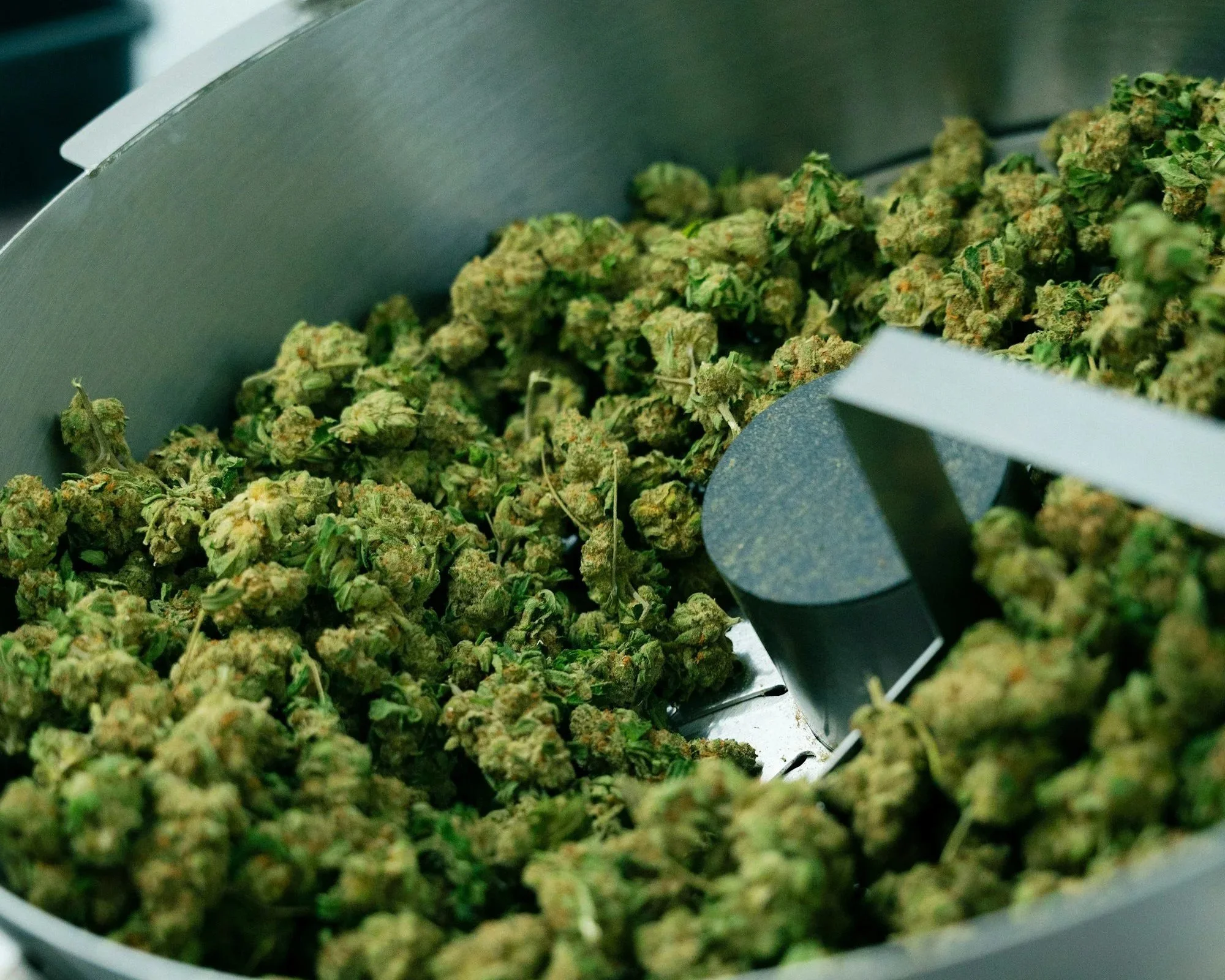
Cannabis concentrates have expanded dramatically as extraction techniques have improved. Among the many types of concentrates now available, one has gained particular attention for its simplicity and purity: rosin.
Rosin is a cannabis concentrate created without chemical solvents. Instead, it relies on heat and pressure to extract resin directly from cannabis flower or hash.
Because the process avoids chemical solvents and preserves much of the plant’s natural chemistry, rosin has earned a strong reputation among cannabis enthusiasts who value terpene-rich concentrates and solventless extraction methods.
Understanding how rosin is made helps explain why it has become one of the most respected cannabis concentrates in modern cannabis culture.
What Rosin Is
Rosin is a cannabis concentrate produced by applying heat and pressure to cannabis flower, kief, or hash.
When pressure is applied at controlled temperatures, the resin inside cannabis trichomes melts and separates from the plant material.
The extracted resin is collected and becomes rosin concentrate.
Because the process relies solely on mechanical pressure and heat, rosin is considered a solventless concentrate.
This means no chemical solvents such as butane or ethanol are used during extraction.
Trichomes Are the Source of Rosin
Like many cannabis concentrates, rosin is derived from trichomes.
Trichomes are microscopic resin glands that cover cannabis flowers. These glands contain cannabinoids such as THC along with the terpenes responsible for aroma and flavor.
When cannabis flower or hash is pressed under heat and pressure, the resin stored in these trichomes liquefies and flows out of the plant material.
This resin becomes rosin concentrate.
Because rosin extraction focuses on isolating trichomes, the resulting concentrate often contains strong cannabinoid content along with terpene-rich flavor.
Flower Rosin vs Hash Rosin
Rosin can be produced from several different starting materials.
Flower Rosin
Flower rosin is produced by pressing cured cannabis flower.
This method is accessible and relatively simple, though the final product may contain slightly more plant material compared to other forms of rosin.
Hash Rosin
Hash rosin is produced by pressing bubble hash or other forms of trichome concentrate.
Because the starting material already consists primarily of trichomes, hash rosin is often considered the highest quality form of rosin.
This process produces extremely clean concentrate with strong terpene expression.
Why Cannabis Enthusiasts Prefer Rosin
Rosin has become popular among cannabis enthusiasts for several reasons.
First, the solventless extraction process appeals to consumers who prefer concentrates that avoid chemical solvents.
Second, rosin often preserves terpene content extremely well.
Terpenes are volatile compounds that can degrade during aggressive extraction techniques. The relatively gentle nature of rosin extraction helps maintain these aromatic compounds.
The result is a concentrate known for:
• strong aroma
• rich flavor
• full-spectrum cannabinoid content
• minimal processing
These characteristics make rosin particularly appealing to consumers who value natural cannabis chemistry.
Rosin vs Live Resin
Rosin is often compared with another popular cannabis concentrate: live resin.
Live resin is produced using frozen cannabis plants and chemical solvents to extract cannabinoids and terpenes.
While live resin can preserve strong terpene content, the extraction process involves solvents that must be removed during processing.
Rosin differs because it relies entirely on heat and pressure rather than chemical extraction.
For some cannabis consumers, this solventless approach represents a more natural way to concentrate cannabis resin.
Rosin and the Craft Cannabis Movement
Rosin has become closely associated with the craft cannabis movement.
Craft cannabis producers often emphasize small-batch production and techniques that preserve the natural characteristics of the cannabis plant.
Because rosin extraction depends heavily on the quality of the starting material, producers must begin with terpene-rich cannabis flower or hash.
This connection between cultivation and extraction aligns naturally with craft cannabis philosophies.
Small-batch producers frequently experiment with rosin pressing techniques to refine terpene preservation and cannabinoid expression.
Rosin and Terpene Preservation
Terpenes are one of the main reasons cannabis enthusiasts seek rosin concentrates.
Because the extraction process involves relatively low temperatures and minimal processing, many terpene compounds remain intact.
These compounds contribute to the distinctive flavor profiles associated with different cannabis strains.
For consumers who prioritize flavor and aroma, terpene-rich concentrates like rosin can offer a particularly expressive cannabis experience.
How Rosin Is Used
Rosin concentrates can be consumed in several ways depending on personal preference.
Common methods include:
• dabbing using a dab rig
• vaporizing with concentrate vaporizers
• adding small amounts to flower in bowls or joints
Because rosin concentrates often contain high levels of cannabinoids, small amounts typically deliver strong effects.
This potency makes careful dosing important for those new to concentrates.
Silly Nice and Solventless Craft Cannabis
Silly Nice approaches cannabis production with an emphasis on terpene preservation and small-batch craftsmanship.
Solventless concentrates such as bubble hash reflect the brand’s commitment to preserving the natural chemistry of cannabis trichomes.
These concentrates rely on extraction techniques that separate resin glands while maintaining cannabinoid and terpene compounds responsible for potency and flavor.
Like all Silly Nice products, concentrates are lab tested for purity and cannabinoid composition.
Consumers who want to review detailed cannabinoid and terpene information can access Certificates of Analysis at:
Rosin Reflects the Simplicity of Cannabis Resin
Rosin extraction demonstrates how cannabis concentrates can be produced using simple mechanical techniques rather than chemical solvents.
By applying heat and pressure to cannabis trichomes, producers can create concentrates that preserve both potency and terpene expression.
For many cannabis enthusiasts, rosin represents a balance between modern concentrate innovation and traditional hash-making techniques.
As cannabis consumers become more knowledgeable about extraction methods and plant chemistry, solventless concentrates such as rosin continue to attract attention within the evolving cannabis landscape.