
Why Cannabis Quality Starts With the Plant
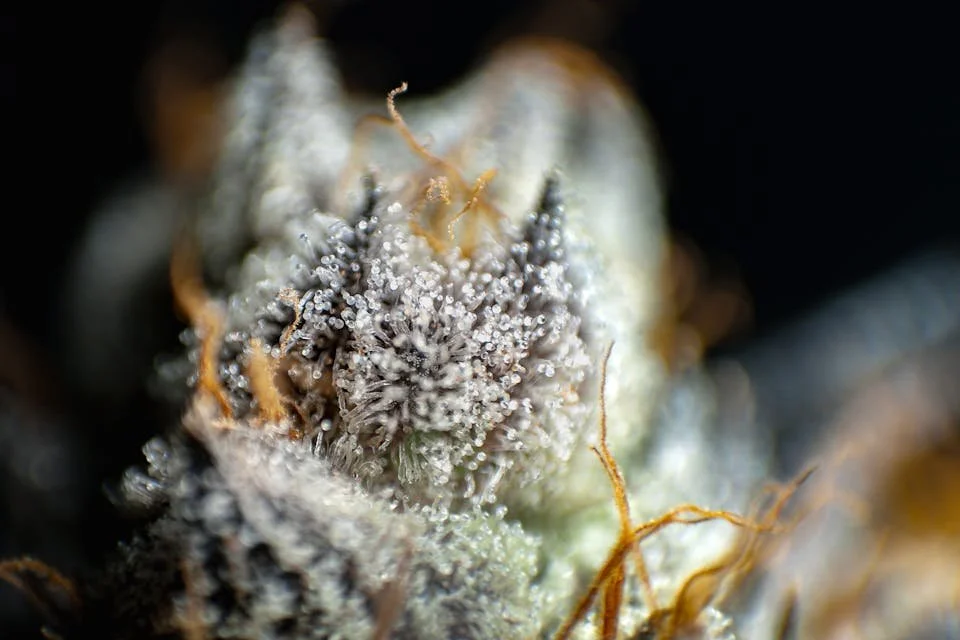
Every cannabis product begins with a plant. Whether the final product becomes flower, concentrate, or a vape formulation, the quality of that product is shaped long before it reaches a jar or cartridge.
Cultivation sets the foundation for everything that follows.
Cannabis plants produce the cannabinoids and terpenes that define potency, aroma, and flavor. These compounds form within the resin glands known as trichomes during the flowering stage of the plant’s life cycle.
The conditions under which a plant grows determine how these compounds develop. Genetics, environmental stability, harvest timing, and post-harvest handling all influence the final chemical profile.
Understanding cannabis quality begins with understanding the plant itself.
Genetics Shape the Foundation
Every cannabis plant begins with genetics.
Genetics determine the potential cannabinoid and terpene profile that a plant can express. Different cultivars produce different aromatic signatures depending on their genetic lineage.
Some cultivars express strong citrus terpene profiles, while others develop earthy, floral, or pine-forward aromas.
These genetic differences influence:
terpene diversity
cannabinoid ratios
plant structure
resin production
Cultivators select genetics carefully because the plant’s chemical potential is rooted in its DNA.
However, genetics alone do not determine the final quality of cannabis. Environmental conditions and cultivation practices shape how those genetics are expressed.
Environmental Conditions Influence Expression
Cannabis plants respond to their environment throughout their growth cycle.
Temperature, humidity, airflow, and light spectrum all influence how the plant develops. Stable environmental conditions encourage healthy growth and consistent resin production.
Changes in environmental factors can affect terpene development and cannabinoid formation.
For example, certain temperature ranges help support terpene preservation during flowering. Light intensity and photoperiod influence how the plant produces cannabinoids.
Cultivation environments designed to maintain stability help plants express their full chemical potential.
Careful environmental management supports both plant health and product quality.
Resin Production and Trichome Development
The compounds associated with cannabis quality are produced inside trichomes.
Trichomes are microscopic resin glands that form on cannabis flowers and surrounding leaves during the flowering stage. These glands contain cannabinoids and terpenes suspended within resin.
Under magnification, trichomes resemble crystalline structures covering the surface of the flower.
The density and maturity of these resin glands influence the potency and aromatic richness of the plant.
Cultivators monitor trichome development closely because it signals when the plant has reached peak resin production.
Capturing this moment is one of the most important decisions in cannabis cultivation.
The Importance of Harvest Timing
Harvest timing directly affects the chemical profile of cannabis.
Cannabinoids and terpenes develop throughout the flowering cycle. Harvesting too early may result in incomplete resin development, while harvesting too late can alter the balance of cannabinoids present in the plant.
Experienced cultivators evaluate trichome maturity using magnification tools. The appearance of trichomes provides insight into cannabinoid development.
Clear trichomes often indicate early-stage resin development. Milky or cloudy trichomes typically signal peak cannabinoid production.
Harvest timing influences the potency, aroma, and chemical balance captured at the moment the plant is cut.
Selecting the correct harvest window helps preserve the intended characteristics of the cultivar.
Post-Harvest Handling Matters
Once cannabis is harvested, careful post-harvest handling becomes essential.
Freshly harvested cannabis contains significant moisture. If this moisture is not managed properly, the plant may degrade or develop microbial issues.
Drying allows excess moisture to dissipate gradually while protecting the structural integrity of the flower.
After drying, cannabis enters the curing stage.
Curing stabilizes moisture levels and allows slow chemical changes that enhance aroma and smoothness. During curing, cannabis is stored under controlled humidity and temperature conditions.
Proper curing helps preserve terpene content while improving the overall sensory experience of the flower.
This stage requires patience and careful monitoring.
Terpenes Develop During Cultivation
Terpenes are not added to cannabis products after the fact. They are produced naturally by the plant during growth and flowering.
The terpene profile associated with a particular cultivar reflects both genetics and environmental conditions during cultivation.
Healthy plants exposed to stable environmental conditions tend to produce stronger terpene expression.
These aromatic compounds give cannabis its recognizable scent and flavor.
Preserving terpene integrity requires protecting these compounds during harvesting, curing, packaging, and storage.
Once terpenes evaporate or degrade, they cannot be recreated exactly as they existed within the plant.
Protecting terpene content begins with proper cultivation.
Extraction and Product Formulation Depend on Starting Material
For cannabis concentrates and infused products, the quality of the starting plant material remains critical.
Extraction methods isolate the resin glands containing cannabinoids and terpenes. If the starting material lacks strong terpene content or cannabinoid development, the final concentrate will reflect those limitations.
High-quality concentrates depend on high-quality cannabis.
Extraction processes cannot fully compensate for weak starting material.
This is why experienced producers place strong emphasis on selecting carefully cultivated cannabis as the foundation for their products.
The plant always comes first.
Packaging Protects the Work Done in Cultivation
Once cannabis has been cultivated, harvested, cured, and processed, packaging becomes the final step in protecting the plant’s chemistry.
Packaging materials influence how well cannabis retains its terpene content and cannabinoid stability.
Glass containers are commonly used because they are chemically inert and non-porous. Unlike certain plastics, glass does not absorb aromatic compounds.
Properly sealed containers reduce oxygen exposure, helping slow terpene evaporation and cannabinoid oxidation.
Packaging acts as the final barrier protecting the plant’s chemical integrity during storage and transportation.
Transparency Through Laboratory Testing
Laboratory testing provides insight into the chemical profile of cannabis products.
Independent laboratories analyze cannabis to measure cannabinoid potency, terpene composition, and contaminant screening results. These findings are documented in Certificates of Analysis.
COAs allow consumers to review the chemical data associated with each batch of cannabis product.
Reviewing these reports provides transparency into the composition of the product.
Updated product information and Certificates of Analysis can be viewed at:
Consumers can also explore verified availability through the official Silly Nice brand page on Weedmaps.
Everything Begins With the Plant
Cannabis quality is built step by step. Cultivation, harvest timing, curing, extraction, packaging, and storage all influence the final product.
However, every stage begins with the plant itself.
Healthy genetics, stable cultivation conditions, and careful harvest timing create the foundation for terpene richness and cannabinoid balance.
When cannabis is treated as an agricultural product worthy of attention and discipline, the plant can express its full chemical complexity.
The result is cannabis that reflects the natural character developed during cultivation from the very beginning.