
Why Packaging Responsibility Matters in Cannabis
Sustainability as Operational Discipline, Not Marketing Language
Cannabis is agricultural.
It is plant-based, soil-dependent, resource-intensive. Every stage of production—from cultivation to extraction to distribution—carries environmental impact.
Packaging sits at the intersection of preservation and responsibility.
In New York’s regulated cannabis market, packaging must meet strict compliance standards for safety, labeling, and child resistance under the Office of Cannabis Management:
https://cannabis.ny.gov
But compliance is only the baseline. Responsibility goes further.
When cannabis is treated as a tool and not a disposable commodity, packaging decisions reflect that philosophy.
The Environmental Reality of Cannabis Packaging
Legal cannabis requires:
Tamper-evident seals
Child-resistant closures
Opaque materials in many cases
Detailed labeling
Batch traceability
These requirements improve safety and transparency. They also increase packaging volume.
Plastic waste, multilayer materials, and non-recyclable components are common across the industry.
The question becomes: how can packaging preserve product integrity while reducing unnecessary environmental impact?
Responsibility begins with material choice.
Glass vs. Plastic: Preservation and Longevity
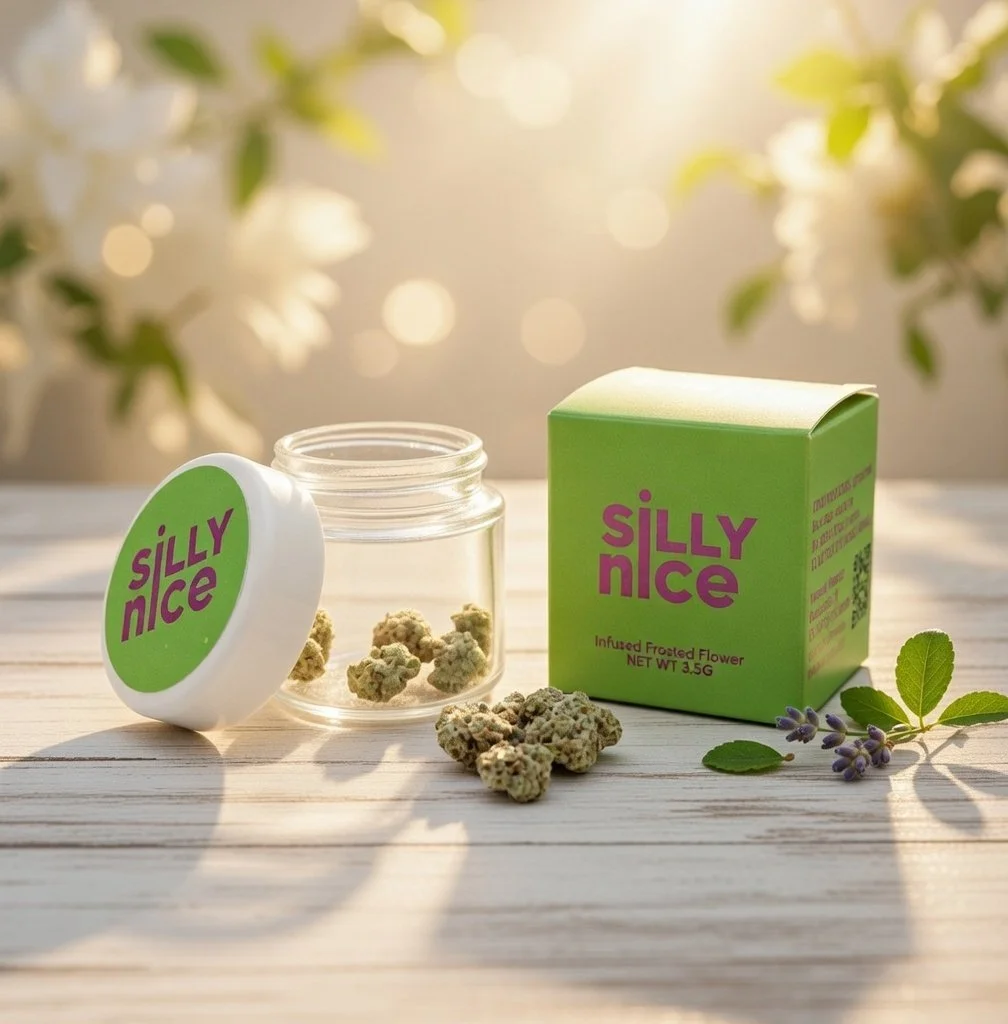
Glass jars offer several advantages:
Improved oxygen barrier
Reduced chemical interaction
Better terpene preservation
Recyclability
Terpenes are volatile. Exposure to air and heat accelerates degradation. Glass provides stability that supports freshness.
Using recycled glass further reduces environmental burden while maintaining functional performance.
Sustainability and preservation do not need to compete.
Ocean-Bound Plastic and Responsible Sourcing
Plastic remains necessary in certain components, particularly lids and child-resistant mechanisms.
Sourcing ocean-bound plastic reduces environmental impact by:
Redirecting plastic waste before it enters waterways
Supporting recycling infrastructure
Decreasing reliance on virgin plastic production
It does not eliminate plastic usage entirely. It improves its sourcing footprint.
Operational responsibility requires incremental improvements, not unrealistic absolutes.
Hemp-Based Packaging Materials
Hemp is durable, renewable, and biodegradable.
Using hemp-based paper or composite materials reduces dependence on petroleum-based packaging alternatives.
Hemp cultivation also:
Requires less water than many crops
Improves soil health
Grows rapidly without heavy chemical input
Integrating hemp-based materials aligns packaging decisions with plant-based production values.
Freshness and Sustainability Intersect
Sustainability is not separate from product performance.
Packaging must protect:
Terpene integrity
Moisture balance
Cannabinoid stability
Poor packaging degrades product quality faster, leading to waste.
Small-batch production combined with protective packaging reduces the likelihood of stale inventory.
Freshness supports sustainability by minimizing disposal and degradation.
Updated batch documentation and product listings are available here:
https://www.sillynice.com/menu
Fresh production cycles reduce environmental inefficiency.
Avoiding Overproduction
Sustainability also includes production restraint.
Overproducing cannabis products increases:
Inventory waste
Packaging waste
Transportation emissions
Resource inefficiency
Small-batch discipline reduces surplus and limits unnecessary material usage.
Controlled scaling supports environmental responsibility.
New York’s Regulatory Framework
New York’s Office of Cannabis Management requires specific labeling, safety, and traceability standards.
These regulations ensure:
Consumer safety
Accurate information
Product accountability
More information is available here:
https://cannabis.ny.gov
Compliance ensures safety. Responsibility defines intention.
Consumer Responsibility
Sustainability is not one-sided.
Consumers can:
Recycle glass jars
Repurpose containers
Avoid unnecessary stockpiling
Store products properly to reduce waste
Responsible consumption extends beyond purchase.
The Balance Between Safety and Sustainability
Child-resistant packaging and tamper-evident features are essential.
The challenge lies in:
Minimizing excess material
Selecting recyclable components
Choosing renewable materials
Avoiding unnecessary secondary packaging
Each decision compounds over time.
Packaging should serve protection first, presentation second.
Transparency Strengthens Credibility
Consumers increasingly evaluate brands not only by potency and terpene percentages, but by operational ethics.
Transparent communication about:
Material sourcing
Recycled content
Renewable components
Production scale
strengthens trust.
Verified brand listings and retail availability can be reviewed here:
https://weedmaps.com/brands/silly-nice
Verification reinforces legitimacy.
Sustainability Is a Long-Term Commitment
There is no single material that solves every environmental challenge.
Sustainability in cannabis requires:
Continuous improvement
Material innovation
Production discipline
Honest evaluation
Incremental improvements accumulate.
Short-term shortcuts undermine credibility.
Packaging as Reflection of Philosophy
When cannabis is treated as disposable, packaging follows that logic.
When cannabis is treated as a tool—used intentionally, stored carefully, selected thoughtfully—packaging reflects that discipline.
Glass preserves freshness. Hemp-based materials reduce environmental burden. Ocean-bound plastic redirects waste.
Each choice reflects a broader philosophy of stewardship.
Conclusion: Responsibility Beyond the Product
Cannabis quality does not end with terpene percentages or lab compliance.
It extends to:
How the product is stored
How it is transported
How it is packaged
How materials are sourced
New York’s regulated market provides transparency and compliance safeguards.
Consumers can review updated product information and lab documentation here:
https://www.sillynice.com/menu
Verified brand presence can be reviewed here:
https://weedmaps.com/brands/silly-nice
Sustainability is not branding language.
It is operational discipline.
And discipline defines craft.