
Respecting Potency in New York’s Legal Cannabis Market
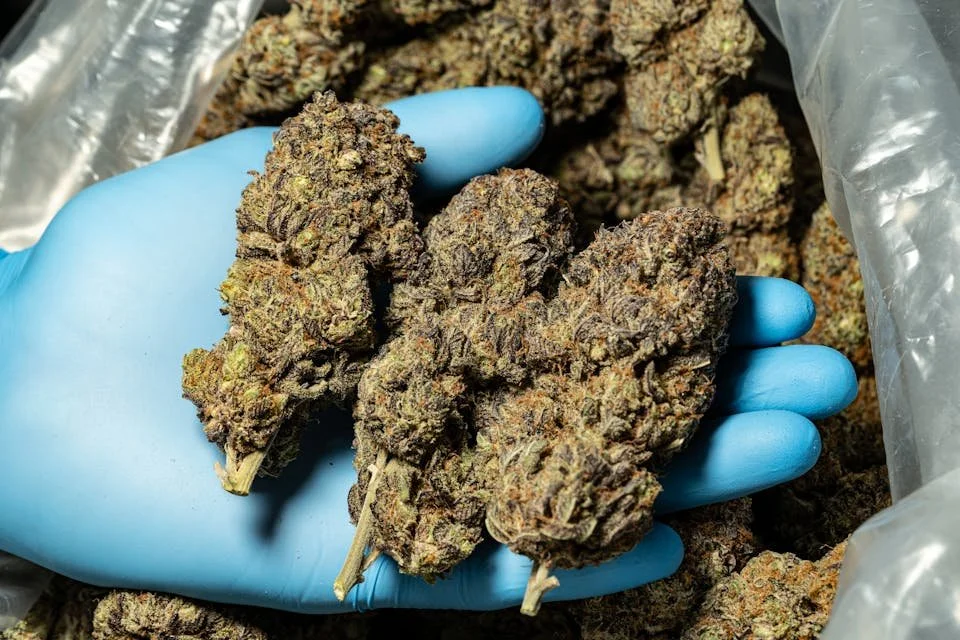
Why Higher THC Is Not Always Better
New York’s legal cannabis market has matured quickly.
Dispensary menus now regularly feature flower above 30% THC and concentrates exceeding 80–90% total cannabinoids. Potency numbers are visible, comparable, and often treated as shorthand for quality.
But potency alone does not define craftsmanship.
When cannabis is used as a tool rather than a novelty, strength must be contextualized. Without structure, higher percentages often lead to diminished clarity rather than improved experience.
Understanding potency begins with reading the lab report.
Updated Certificates of Analysis and cannabinoid breakdowns can be reviewed here:
https://www.sillynice.com/menu
Data matters more than hype.
What THC Percentage Actually Means
THC percentage measures the concentration of tetrahydrocannabinol in a product.
However, labels may list:
Delta-9 THC
THCa (which converts when heated)
Total THC (post-conversion calculation)
Total cannabinoids
Consumers often focus on the largest number displayed. A more informed approach evaluates total cannabinoid structure alongside terpene content.
Educational cannabinoid resources are available here:
https://weedmaps.com/learn/products-and-how-to-consume/cannabinoids-101
Potency is one variable within a broader chemical profile.
The Illusion of Escalation
Chasing increasingly higher THC percentages can lead to:
Rapid tolerance increases
Shortened session clarity
Diminished sensitivity over time
Reduced ability to perceive terpene nuance
High potency without discipline becomes counterproductive.
When tolerance rises, dosage often increases. When dosage increases, balance declines.
Respecting potency preserves longevity.
Flower vs Concentrates: Different Metrics
Flower testing at 25% THC does not compare directly to a concentrate testing at 80%.
Formats differ in:
Density
Inhalation volume
Onset timing
Cannabinoid concentration
A single inhalation from a high-potency concentrate may deliver significantly more THC than several draws of flower.
Understanding format prevents miscalculation.
Terpene Structure Influences Perception
Two products with identical THC percentages may feel entirely different depending on terpene profile.
A terpene-rich product often provides:
More dimensional flavor
More layered onset
Greater balance
A high-THC product with minimal terpene content may feel abrupt or flat.
Terpene literacy strengthens product selection.
Updated terpene breakdowns are available alongside product listings here:
https://www.sillynice.com/menu
Structure matters.
Minor Cannabinoids Moderate Intensity
Full-spectrum products containing measurable amounts of CBG, CBC, or THCv often feel structurally different from isolated THC formats.
While scientific research continues to evolve, many consumers report that broader cannabinoid presence influences overall balance.
Total cannabinoids provide more context than THC alone.
New York’s Regulatory Framework
New York’s cannabis industry operates under compliance standards set by the Office of Cannabis Management:
https://cannabis.ny.gov
All licensed products must pass:
Potency verification
Contaminant testing
Residual solvent screening
Heavy metal analysis
This framework ensures label accuracy.
Consumers can evaluate chemical structure before purchase, reducing reliance on marketing claims.
Verified brand presence and dispensary listings can be reviewed here:
https://weedmaps.com/brands/silly-nice
Verification strengthens trust.
Why Craft Does Not Compete on Extremes
Craft production prioritizes:
Terpene integrity
Small-batch freshness
Chemical balance
Transparent documentation
It does not compete solely on maximum THC.
Potency without preservation sacrifices nuance.
Balance sustains quality.
Dosing Discipline Preserves Clarity
To respect potency:
Start with lower doses
Avoid stacking formats
Wait for full onset
Monitor tolerance shifts
Rotate terpene profiles
Concentrates exceeding 80% THC require measured application.
Flower above 30% THC still requires pacing.
Restraint protects predictability.
Tolerance and Long-Term Sustainability
Frequent high-dose sessions often result in:
Reduced sensitivity
Increased consumption
Shorter effective windows
Maintaining moderate dosing supports:
Better flavor perception
Improved session clarity
Longer-term tolerance stability
Sustainable use reflects discipline.
Freshness and Potency Stability
Potency percentages shift over time due to:
Oxidation
Heat exposure
Light exposure
Improper storage
Small-batch production reduces idle inventory time, helping preserve cannabinoid integrity.
Freshness protects structure.
Asking the Right Questions
Before purchasing high-potency products in New York, consider:
What is the total cannabinoid percentage?
What is the terpene percentage?
Is the COA accessible?
Does this potency align with my tolerance?
Is the batch recent?
Intentional questions reduce impulse-driven decisions.
Potency Is a Tool, Not a Trophy
High THC percentages attract attention in competitive markets.
But cannabis performs best when aligned with purpose rather than ego.
Concentrates and high-potency flower have specific contexts. They are precision tools for experienced consumers.
They are not everyday requirements.
Conclusion: Balance Defines Craft
New York’s legal cannabis market provides measurable data.
Consumers have access to:
Lab-tested potency
Terpene breakdowns
Minor cannabinoid structure
Verified brand listings
Updated lab documentation and product details are available here:
https://www.sillynice.com/menu
Verified availability can be reviewed here:
https://weedmaps.com/brands/silly-nice
Respecting potency preserves clarity.
Clarity preserves balance.
And balance defines disciplined cannabis use.