
Why Hemp Packaging Is the Future of Cannabis
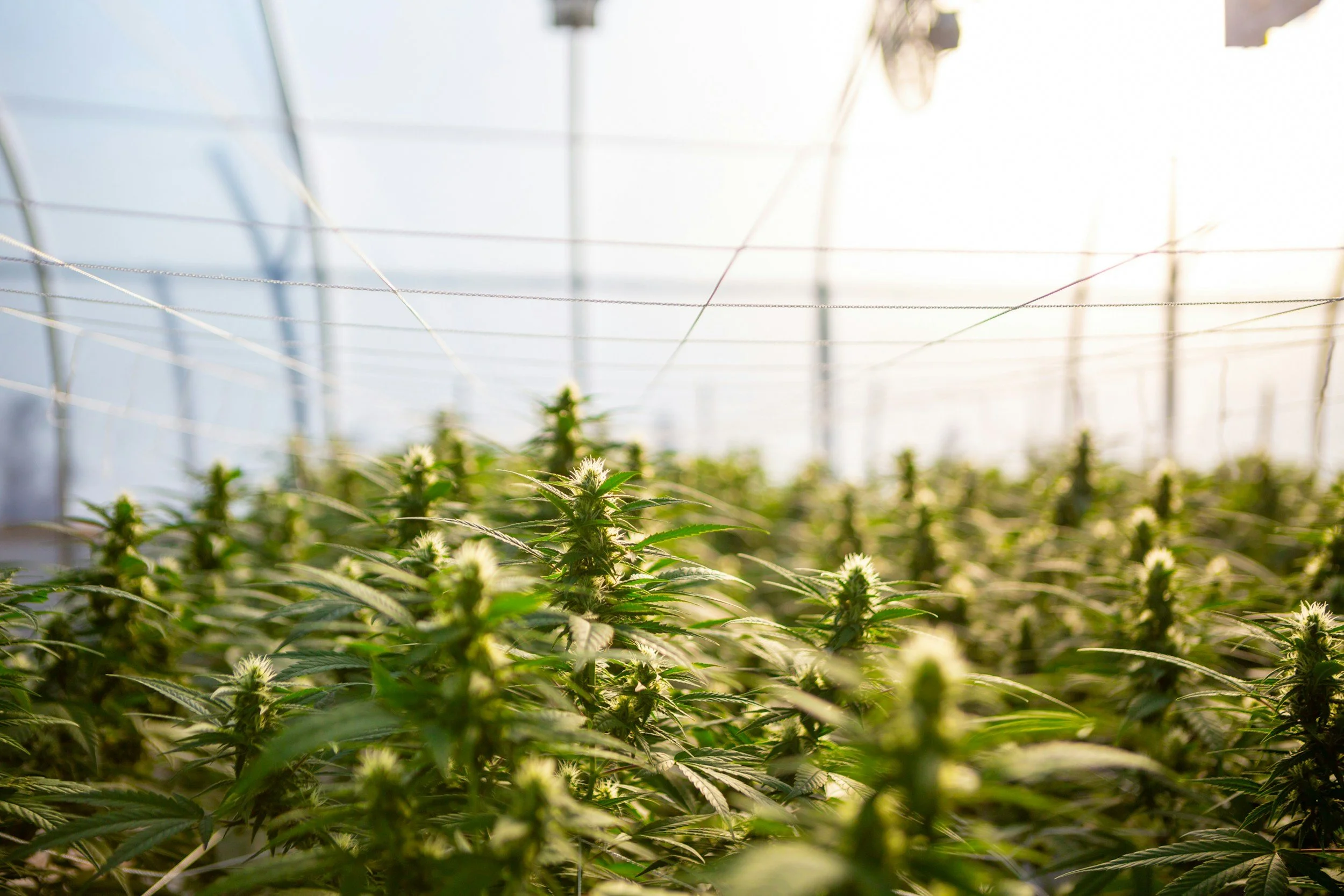
Cannabis and hemp share a long agricultural history. Both come from the same plant family, and for centuries the plant has been used for fiber, medicine, food, and industrial materials. Long before modern cannabis legalization, hemp was widely recognized as one of the most versatile crops on earth.
Today, hemp is re-emerging as a practical solution for one of the cannabis industry’s biggest challenges: responsible packaging.
Cannabis products must meet strict regulatory standards that require protective containers, labeling, and child-resistant features. While these regulations help ensure safety and transparency, they also create a large amount of packaging waste.
Hemp-based packaging offers an opportunity to reduce that impact while maintaining the durability and quality standards required for legal cannabis products.
At Silly Nice, hemp packaging is part of a broader philosophy that prioritizes environmental responsibility alongside product integrity.
What Hemp Packaging Actually Is
Hemp packaging typically uses fibers derived from the stalks of the hemp plant. These fibers can be processed into materials that resemble paper, cardboard, or molded packaging components.
Hemp fiber is naturally strong and durable. Historically it has been used to produce rope, textiles, paper, and construction materials. In modern packaging applications, hemp fiber can replace or supplement traditional paper pulp.
Because hemp grows quickly and regenerates easily, it represents a renewable material source that can reduce reliance on trees and other slow-growing resources.
This makes hemp packaging particularly well aligned with industries that depend on agricultural systems, including cannabis.
Why Hemp Is Considered a Renewable Material
One of hemp’s most important advantages is its rapid growth cycle.
Hemp plants can reach maturity in just a few months. During that time they produce large amounts of fiber-rich stalk material that can be harvested and processed into packaging or paper products.
Compared with traditional timber used for paper pulp, hemp offers several environmental advantages:
faster growth cycles
less land required for production
lower pesticide requirements
potential soil regeneration benefits
Because hemp can be harvested multiple times per year in some climates, it provides a more flexible raw material supply than many tree-based packaging resources.
This efficiency makes hemp particularly attractive for sustainable manufacturing applications.
Reducing Pressure on Forest Resources
Traditional paper packaging often relies on wood pulp derived from trees. While responsible forestry practices have improved in recent decades, large-scale paper production still places pressure on forest ecosystems.
Hemp fiber offers an alternative source of cellulose that can reduce reliance on timber harvesting.
When hemp replaces a portion of wood pulp in packaging materials, it helps diversify the raw material supply chain while reducing strain on forests.
This shift toward plant-based packaging materials reflects a broader trend across industries seeking renewable alternatives to resource-intensive manufacturing processes.
For cannabis brands that depend on plant agriculture, supporting renewable materials aligns naturally with the broader ecosystem that sustains the industry.
Strength and Durability
Hemp fiber is known for its strength and resilience. In fact, hemp fibers have historically been used in products that require high durability, including ship ropes and canvas sails.
When processed into packaging materials, hemp fiber can provide strong structural integrity while remaining lightweight.
This durability makes hemp suitable for packaging components such as:
product boxes
labeling materials
protective inserts
paper-based outer packaging
Because hemp fibers are naturally robust, packaging made from hemp can maintain performance while reducing reliance on synthetic materials.
Hemp and Cannabis Culture
Beyond its practical advantages, hemp also carries cultural significance within the cannabis community.
For generations, hemp has represented the agricultural side of the cannabis plant family. Its uses have ranged from textiles and rope to biodegradable plastics and sustainable construction materials.
Incorporating hemp packaging into cannabis products reinforces this historical connection. It reflects an understanding that cannabis culture has always extended beyond the finished product itself.
The plant’s versatility has long been part of its identity.
Using hemp packaging acknowledges that broader relationship between cultivation, agriculture, and responsible resource use.
Sustainability Requires Multiple Solutions
No single packaging material solves every environmental challenge. Responsible packaging often involves combining multiple materials that each serve a specific purpose.
For cannabis products, packaging must balance several factors:
product protection
terpene preservation
regulatory compliance
environmental impact
Hemp packaging contributes to this balance by providing a renewable alternative for outer packaging components such as boxes and labels.
In combination with other materials like recycled glass containers and recovered plastic components, hemp helps reduce the overall environmental footprint associated with cannabis packaging.
Each material plays a role in a more responsible packaging system.
Protecting the Product Inside
Packaging must ultimately protect the cannabis product itself. Terpenes, cannabinoids, and aromatic compounds are sensitive to environmental conditions such as light, heat, and oxygen.
Outer packaging materials help shield the product from external elements while providing necessary information about the contents inside.
Hemp-based boxes and labels offer a durable layer of protection that supports the stability of the product during transport and storage.
When combined with glass containers designed to preserve terpene integrity, these packaging layers work together to protect both the chemistry of the plant and the consumer’s experience.
The Importance of Transparency
Responsible production also involves transparency. In legal cannabis markets, laboratory testing ensures that products meet safety and quality standards.
Certificates of Analysis provide detailed information about each batch, including:
cannabinoid levels
terpene profiles
contaminant screening
overall product purity
Reviewing these reports allows consumers to understand exactly what they are purchasing.
Updated COAs and product details can be found at:
Consumers can also view verified retail availability through the official Silly Nice brand page on Weedmaps.
Responsible Materials Reflect Responsible Production
Packaging choices reveal how a brand approaches production. Materials that protect the product while reducing environmental impact reflect a commitment to thoughtful decision-making throughout the process.
Hemp-based packaging contributes to that effort by providing a renewable material source that aligns with the agricultural roots of cannabis.
When combined with recycled glass containers and ocean-bound plastic components, hemp helps form a packaging system designed to balance durability, product protection, and environmental awareness.
Cannabis production relies on the health of natural ecosystems. Responsible packaging acknowledges that connection and works to protect the environment that sustains the plant.
Hemp packaging represents one step toward a more sustainable future for the cannabis industry.