
Ocean-Bound Plastic: Why Silly Nice Uses Recovered Plastic Lids
Packaging decisions shape more than the appearance of a product. They influence environmental impact, material waste, and the long-term sustainability of an industry. Cannabis, like many regulated industries, relies on packaging to protect products, meet safety requirements, and provide clear labeling. Yet the packaging choices behind that protection matter.
At Silly Nice, packaging is approached with a simple principle: protect the plant while reducing unnecessary environmental harm wherever possible. That philosophy extends to the use of ocean-bound plastic lids, a material sourced from plastic waste that might otherwise enter waterways and oceans.
Ocean-bound plastic offers a practical way to repurpose existing waste while maintaining the durability required for compliant cannabis packaging.
What Ocean-Bound Plastic Means
Ocean-bound plastic refers to plastic waste that has been collected from areas within a defined distance of coastlines or waterways where there is a high risk of that material entering the ocean. These areas are often regions with limited recycling infrastructure or waste management systems.
Without intervention, plastic discarded in these environments can travel through rivers and drainage systems before eventually reaching marine ecosystems.
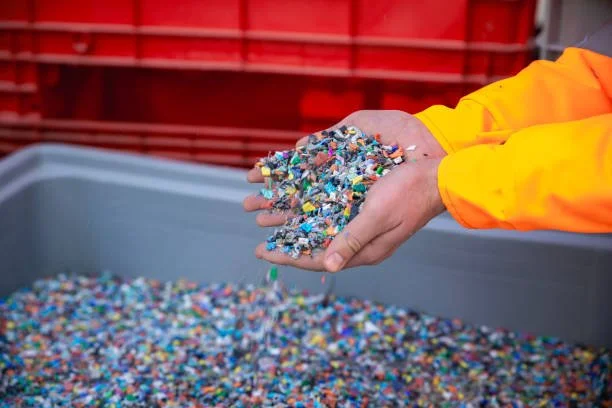
Ocean-bound plastic recovery programs collect this material before it enters the water. The recovered plastic is then cleaned, processed, and repurposed into new products.
By redirecting this waste stream, manufacturers can reduce the demand for newly produced plastic while preventing additional pollution from reaching oceans.
Why Plastic Waste Is a Global Challenge
Plastic has become one of the most common materials used in modern packaging. Its durability and low manufacturing cost make it widely accessible across industries.
However, that same durability means plastic can remain in the environment for decades or longer when not properly recycled or managed.
According to environmental studies, millions of tons of plastic waste enter oceans each year. Once in the marine ecosystem, plastic can fragment into smaller pieces that affect wildlife, coastal environments, and food chains.
Preventing plastic from reaching waterways is often more effective than attempting to remove it once it has dispersed into the ocean.
This is where ocean-bound plastic recovery plays a meaningful role.
Turning Waste Into Usable Materials
Recovered plastic can be processed and transformed into new materials suitable for manufacturing.
The process typically involves:
Collecting plastic waste from high-risk coastal areas
Sorting and cleaning the material
Shredding and processing the plastic into reusable resin
Manufacturing new products using the recycled material
By transforming waste into usable raw material, ocean-bound plastic programs reduce reliance on newly produced plastic while keeping existing waste in circulation rather than in the environment.
For industries that require durable packaging components, this approach offers a practical way to reduce environmental impact without sacrificing functionality.
Why Cannabis Packaging Requires Durable Materials
Cannabis packaging must meet strict regulatory requirements designed to protect consumers and ensure safe distribution.
These requirements typically include:
child-resistant closures
tamper-evident packaging
clear labeling standards
secure product containment
Because of these safety standards, certain components of cannabis packaging still require strong, durable materials. Plastic closures remain one of the most effective options for meeting child-resistant requirements while maintaining reliable seals.
Using recovered plastic for these components helps reduce the environmental impact associated with producing entirely new plastic materials.
Ocean-bound plastic lids represent one way to balance regulatory compliance with environmental responsibility.
Pairing Recycled Materials With Responsible Packaging
Ocean-bound plastic lids are one component of a broader packaging approach that prioritizes responsible materials.
Silly Nice pairs recovered plastic closures with recycled glass jars, which help preserve terpene integrity while reducing reliance on disposable plastic containers. Glass provides a stable, non-porous environment that protects the aromatic compounds responsible for cannabis flavor and aroma.
In addition, hemp-based packaging materials are used where possible. Hemp fibers offer a renewable alternative to conventional paper products and align with the agricultural roots of cannabis culture.
Together, these materials create a packaging system designed to balance product protection with environmental awareness.
Reducing Waste Without Compromising Quality
Packaging should protect the integrity of the product inside it. In cannabis, that means preserving terpene expression, maintaining freshness, and protecting cannabinoids from unnecessary exposure to air or contaminants.
Glass containers help maintain these qualities because they do not absorb aromatic compounds and provide a stable environment for storage. Ocean-bound plastic lids add durability and safety while redirecting existing plastic waste into a new lifecycle.
Responsible packaging choices are often about incremental improvements rather than perfect solutions. Each material decision can reduce environmental impact while maintaining the standards required for safe and compliant cannabis distribution.
The Role of Consumers in Responsible Packaging
Consumers increasingly pay attention to how products are packaged and produced. Across industries, there is growing interest in materials that reduce waste and reflect responsible sourcing.
Understanding packaging materials allows consumers to make more informed decisions about the products they support.
When packaging incorporates recycled or recovered materials, it reflects an effort to reduce environmental impact while maintaining product quality.
These choices help demonstrate that sustainability and craftsmanship can coexist.
Protecting the Plant and the Planet
Cannabis cultivation and production depend on the health of natural ecosystems. Soil quality, water availability, and environmental stability all play a role in the long-term sustainability of the plant itself.
Responsible packaging aligns with this broader relationship between cannabis and the environment. Materials such as recycled glass, hemp-based packaging, and ocean-bound plastic help reduce unnecessary waste while protecting the product inside.
These decisions are part of a larger commitment to thoughtful production practices that respect both the plant and the environment.
Transparency in Cannabis Products
In addition to responsible packaging, transparency is an essential part of consumer trust in the legal cannabis market.
Laboratory testing verifies cannabinoid content, terpene profiles, and safety standards for each product batch. Certificates of Analysis allow consumers to review the chemical composition and purity of the cannabis products they choose.
Updated COAs and detailed product information can be found at:
Verified availability for Silly Nice products can also be viewed through the official brand page on Weedmaps.
Responsible Materials Are Part of Craft Cannabis
Craft cannabis focuses on quality, intention, and respect for the plant. Those principles extend beyond cultivation and extraction methods.
Packaging choices also reflect how a brand approaches responsibility.
Using recycled glass jars helps protect terpene integrity while reducing reliance on disposable plastic containers. Incorporating ocean-bound plastic lids redirects existing waste into productive use rather than allowing it to enter marine ecosystems.
Together, these choices represent a practical approach to sustainability within the constraints of regulated cannabis packaging.
Protecting the plant is only part of the equation. Protecting the environment that supports it matters just as much.