
Solventless vs. Solvent-Based Concentrates: What’s the Difference?
Understanding Extraction Without the Marketing Language
Concentrates have become a defining category in New York’s legal cannabis market.
They offer intensity, precision, and versatility. But not all concentrates are created the same way.
The most important distinction is not potency. It is process.
Understanding the difference between solventless and solvent-based concentrates helps consumers choose intentionally rather than reactively.
In a regulated market like New York, extraction methods are documented, tested, and compliant under the Office of Cannabis Management framework:
https://cannabis.ny.gov
But compliance alone does not define craftsmanship. Process philosophy does.
What Is a Solventless Concentrate?
Solventless concentrates are produced without chemical solvents.
Instead of using substances like butane, propane, or CO₂ to extract cannabinoids, solventless methods rely on mechanical separation.
The most common solventless technique is ice-water extraction, often used to produce bubble hash.
The process:
Cannabis is submerged in ice water.
Agitation separates trichomes from plant material.
Trichomes are filtered through fine screens.
The collected resin glands are dried and pressed or formed.
No chemical solvents are introduced.
Educational references on solventless extraction are available through Weedmaps:
https://weedmaps.com/learn/dictionary/solventless
Solventless extraction prioritizes preservation. It aims to maintain the plant’s natural chemical profile with minimal interference.
What Is a Solvent-Based Concentrate?
Solvent-based concentrates use chemical solvents to extract cannabinoids and terpenes.
Common solvents include:
Butane
Propane
CO₂
Ethanol
These solvents dissolve cannabinoids from plant material, after which the solvent is purged through controlled heating and vacuum processes.
When performed correctly and tested properly, solvent-based concentrates are compliant and safe under regulatory standards.
New York’s required contaminant panels ensure residual solvent levels fall within legal limits.
The difference between solventless and solvent-based products is not safety when properly tested. It is philosophy and preservation.
Flavor and Terpene Preservation
Terpenes are volatile compounds. They are sensitive to heat, pressure, and prolonged processing.
Solventless extraction, particularly ice-water hash, preserves trichomes in their natural structure. The resin glands remain intact until consumption.
This often results in:
Fuller aroma
More layered flavor
A softer, rounded inhale
Strong terpene presence
Solvent-based concentrates can also preserve terpenes, particularly live resin formats that process fresh frozen material. However, additional steps introduce variables that can influence final expression.
The goal of solventless craft is minimal alteration.
Potency Differences
Solvent-based concentrates frequently test higher in THC percentage than solventless hash.
For example:
Butane hash oil (BHO) and distillate products can exceed 80–90% THC.
Solventless hash often ranges between 50–70% THC depending on grade and refinement.
Higher potency does not automatically mean better experience.
Solventless concentrates tend to emphasize full-spectrum balance over isolated intensity.
Consumers who treat cannabis as a tool should consider both strength and structure.
Updated cannabinoid and terpene data for current offerings can be reviewed here:
https://www.sillynice.com/menu
Texture and Experience
Solventless concentrates often present as:
Soft hash
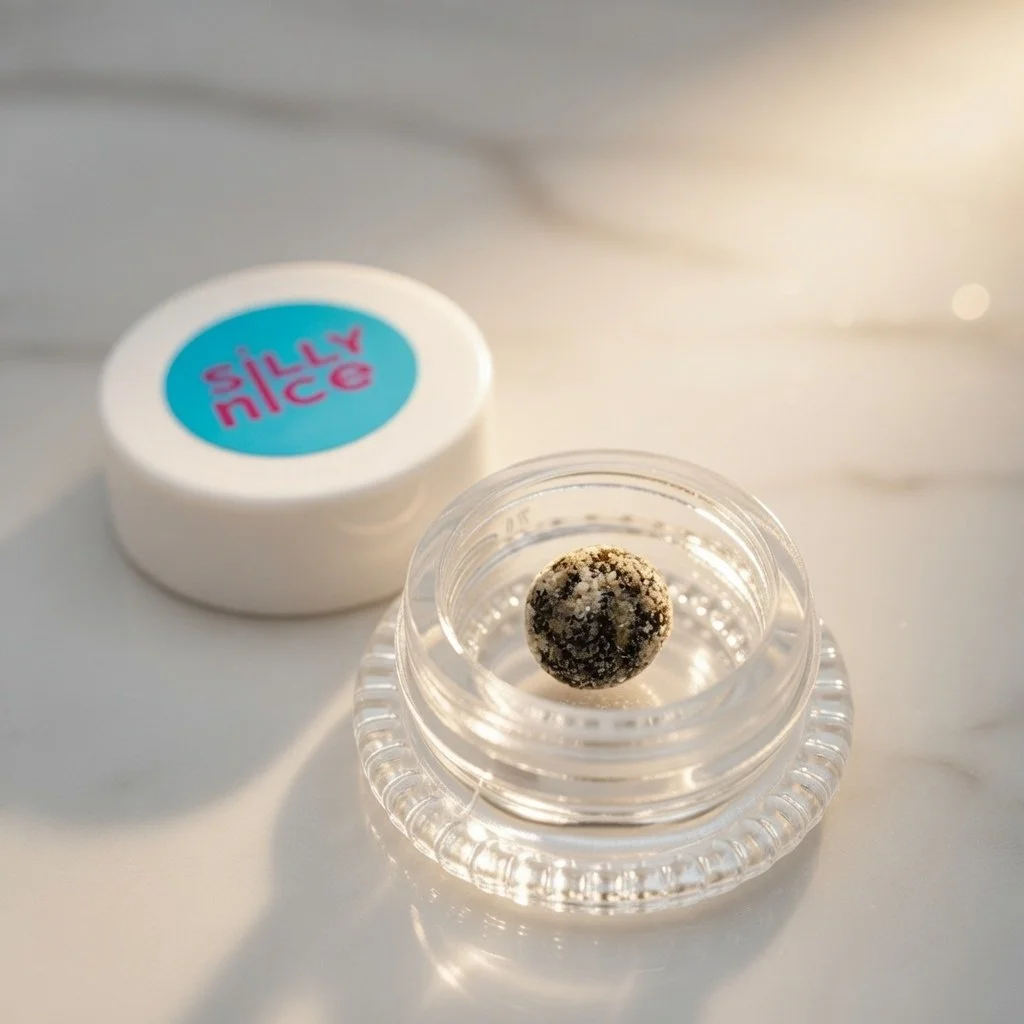
Pressed hash balls
Bubble hash granules
Rosin
Solvent-based concentrates may appear as:
Shatter
Wax
Live resin sauce
Distillate oil
Texture influences how a product is consumed and how it vaporizes.
Solventless products often feel closer to traditional hash culture. Solvent-based concentrates can offer cleaner vaporization and higher THC density depending on refinement.
The choice depends on purpose.
The Role of Solventless in Craft Cannabis
Solventless extraction reflects a heritage-based approach.
Traditional hash-making methods predate modern solvent extraction. In regions like Amsterdam and parts of the Middle East, hash culture developed around mechanical separation techniques.
This lineage informs modern solventless craftsmanship.
When consumers choose solventless products such as bubble hash or handcrafted hash balls, they are engaging with a method rooted in preservation rather than amplification.
Craft cannabis often prioritizes this continuity.
Live Resin: A Hybrid Perspective
Live resin is a solvent-based extract that preserves terpenes by processing fresh frozen cannabis rather than dried material.
This technique:
Retains volatile compounds
Preserves aroma intensity
Supports strain-specific profiles
While solvent-based, live resin often aligns more closely with terpene-forward values than highly refined distillate.
Understanding these nuances allows consumers to differentiate between extraction styles rather than grouping all concentrates together.
Residual Solvent Testing
In New York’s regulated market, solvent-based concentrates must pass residual solvent testing.
Certificates of Analysis list whether solvents were detected and confirm compliance thresholds.
Consumers reviewing COAs should verify:
Residual solvent results marked as “ND” (none detected)
Compliance with state limits
Batch-specific documentation
Transparency protects consumers and reinforces brand accountability.
COAs for current Silly Nice products are accessible via the menu page:
https://www.sillynice.com/menu
Verified brand presence and retail listings can be confirmed here:
https://weedmaps.com/brands/silly-nice
Choosing Intentionally
When deciding between solventless and solvent-based concentrates, consider:
Desired intensity
Terpene preservation priority
Consumption method
Tolerance level
Cultural preference
Solventless may appeal to those seeking:
Full-spectrum balance
Traditional texture
Terpene-forward sessions
Solvent-based concentrates may appeal to those seeking:
Higher THC concentration
Cleaner vaporization
Precise dosing formats
Neither category is inherently superior. The distinction lies in intent and process.
Why Process Transparency Matters
Extraction method shapes outcome.
Brands that clearly communicate their extraction philosophy demonstrate confidence in their production standards.
Hidden processes weaken trust. Open documentation strengthens it.
Consumers in New York now have access to both regulatory oversight and lab documentation. This environment encourages informed selection.
Cannabis used with discipline benefits from understanding how it was produced.
Concentrates as Tools, Not Trophies
High-potency products often attract attention. But intensity without context leads to misuse.
Concentrates require:
Measured dosing
Gradual adjustment
Respect for tolerance
Solventless hash, crystalline concentrates, live resin formats, and vape formulations each serve specific roles.
Understanding extraction methods supports responsible use.
Conclusion: Process Defines Craft
Solventless extraction prioritizes preservation. Solvent-based extraction prioritizes efficiency and refinement. Both exist within New York’s regulated system.
The key difference is not legality. It is philosophy.
Craft cannabis is defined by:
Transparency
Terpene integrity
Controlled production
Chemical literacy
Respect for tradition
When consumers understand extraction methods, they gain control over their experience.
Concentrates are powerful tools.
Choosing the right one begins with understanding how it was made.