
Small-Batch Cannabis: Why Freshness Matters in New York
Craft Production in a Regulated Market
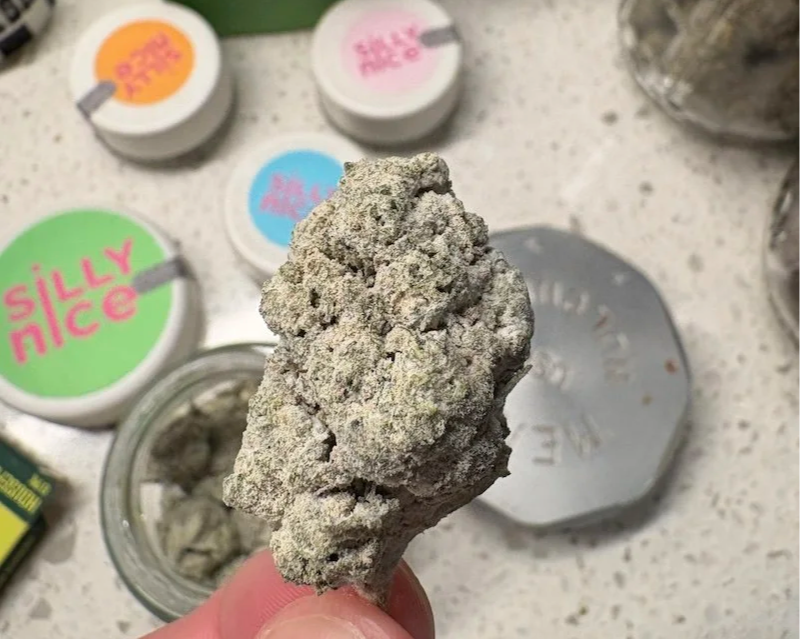
Fresh cannabis performs differently.
The difference is not subtle. It shows up in aroma, in flavor, in terpene clarity, and in overall session balance. In a legal market like New York, where products are lab-tested and highly regulated, freshness has become one of the last true differentiators between disciplined craft brands and volume-driven operations.
Small-batch production is often used as a marketing phrase. In practice, it is an operational decision. It requires restraint. It requires controlled scaling. It requires releasing product intentionally rather than flooding shelves.
When cannabis is treated as a tool, freshness becomes non-negotiable.
What Small-Batch Actually Means
Small-batch cannabis production is not about artificial scarcity. It is about controlled output.
It means:
Producing in limited quantities
Monitoring each batch for consistency
Avoiding overproduction
Releasing product closer to its optimal freshness window
Maintaining terpene preservation through shorter storage cycles
Terpenes are volatile. Cannabinoids degrade over time. Even properly stored cannabis changes as it sits. Large-scale production increases the likelihood that inventory will age before reaching consumers.
In contrast, small-batch release cycles tighten that timeline.
In New York’s regulated system under the Office of Cannabis Management, licensed processors must follow strict compliance and testing protocols:
https://cannabis.ny.gov
Regulation ensures safety. Production discipline ensures quality.
The Science of Freshness
Freshness affects:
Terpene expression
Flavor sharpness
Texture and moisture balance
Overall chemical stability
When cannabis sits for extended periods, terpenes evaporate. Oxidation shifts cannabinoid content. Aroma becomes muted. The product still tests compliant, but it no longer reflects its peak state.
Fresh cannabis retains complexity. Terpene percentages remain more expressive. The profile feels dimensional rather than flat.
Consumers reviewing Certificates of Analysis often focus on THC numbers. Terpene percentages and production dates provide deeper insight into product integrity.
Updated lab documentation and product listings can be reviewed directly through:
https://www.sillynice.com/menu
Transparency supports informed decision-making.
Why Volume Can Work Against Quality
Scaling cannabis production rapidly introduces operational pressures:
Larger harvest cycles
Extended distribution timelines
Storage variability
Inventory aging before retail placement
In a competitive market like New York, more than 500 licensed brands compete for shelf space. Production volume alone does not create loyalty. Consistency does.
Brands that prioritize freshness over volume may sell out more frequently. That is not a flaw in the model. It reflects controlled release rather than surplus inventory.
Freshness requires discipline.
Fresh-to-Order Production Philosophy
Producing fresh to order reduces idle time between processing and retail availability.
This approach:
Protects terpene structure
Preserves aroma clarity
Maintains texture integrity
Minimizes oxidation
When batches are produced deliberately rather than stockpiled, the consumer receives product closer to its optimal condition.
Freshness is especially critical for:
Solventless concentrates
Live resin-infused flower
High-terpene formulations
Cannabis-derived vape products
These formats depend on preserving volatile compounds that degrade over time.
Small-Batch and Quality Control
Smaller production runs allow for:
Closer oversight
Strain-specific attention
Detailed post-production evaluation
Consistent cannabinoid ratios
Precise terpene retention monitoring
Quality control becomes hands-on rather than automated.
In craft production, oversight is active, not delegated to scale efficiencies.
This structure supports consistency across product types, whether solventless hash, infused flower, or high-potency concentrates.
Freshness and the Consumer Experience
Consumers often describe fresh cannabis as:
Brighter in aroma
Cleaner on inhale
More layered in flavor
More predictable in effect
That predictability matters.
When cannabis is used intentionally, consistency reduces guesswork. Fresh product delivers closer alignment between lab data and lived experience.
Small-batch production strengthens that alignment.
Packaging and Preservation
Freshness is also influenced by packaging discipline.
Glass jars offer greater stability compared to lower-grade materials. Sustainable packaging solutions can serve both environmental and preservation goals when designed properly.
Responsible packaging protects:
Moisture balance
Terpene retention
Structural integrity of concentrates
Sustainability and functionality do not need to compete.
New York’s Regulatory Advantage
New York consumers now operate within a framework that prioritizes compliance and testing. Licensed dispensaries, mandatory lab documentation, and regulated distribution channels create a safer marketplace.
Consumers can verify brand legitimacy and product availability through platforms such as Weedmaps:
https://weedmaps.com/brands/silly-nice
This verification ecosystem strengthens trust across the supply chain.
Within that structure, freshness becomes the next level of evaluation.
Safety is the baseline. Quality differentiates.
Why Sell-Out Cycles Happen
Small-batch production often results in products selling out.
This does not reflect instability. It reflects controlled output. When production aligns with quality-first standards rather than mass distribution, availability windows become more defined.
Consumers who value freshness tend to:
Request products by name
Pre-order when possible
Monitor updated listings
Review COAs before purchasing
These behaviors align with intentional use.
Freshness and Terpene Integrity
Terpene integrity depends on timing.
Even the most terpene-rich formulation loses vibrancy if it remains idle too long. Small-batch release reduces degradation risk.
Fresh cannabis:
Expresses its intended profile more clearly
Preserves minor cannabinoid balance
Maintains full-spectrum complexity
This is particularly relevant in solventless products where extraction preserves plant integrity without chemical alteration.
When production cycles shorten, preservation improves.
Choosing Freshness in a Competitive Market
Consumers seeking small-batch cannabis in New York should look for:
Transparent COAs
Terpene percentage listings
Recent batch documentation
Licensed brand verification
Clear production standards
These indicators reveal whether a product was built for longevity or built for volume.
The Silly Nice menu provides updated lab data and batch details for current offerings:
https://www.sillynice.com/menu
Verified retail presence can be confirmed through:
https://weedmaps.com/brands/silly-nice
Freshness is measurable. It is not abstract.
Craft Over Scale
Small-batch production requires restraint. It limits immediate expansion but strengthens long-term trust.
In New York’s evolving cannabis market, authority will belong to brands that maintain discipline under pressure. Brands that resist scaling beyond quality control. Brands that value terpene preservation more than distribution reach.
Fresh cannabis reflects operational patience.
Conclusion: Freshness Is a Standard
Freshness is not aesthetic. It is chemical.
Terpenes degrade. Cannabinoids shift. Aroma fades. Structure softens. Time affects plant material whether consumers notice or not.
Small-batch production shortens that timeline and protects integrity.
In a regulated, competitive market like New York, safety is expected. Freshness defines craft.
Consumers who treat cannabis as a tool benefit from understanding this distinction.
Fresh product performs closer to its intended design. It supports clarity, consistency, and predictable experience.
That is the difference between volume and discipline.
And discipline sustains quality over time.