
From Cultivation to Jar: The Journey of Cannabis Quality
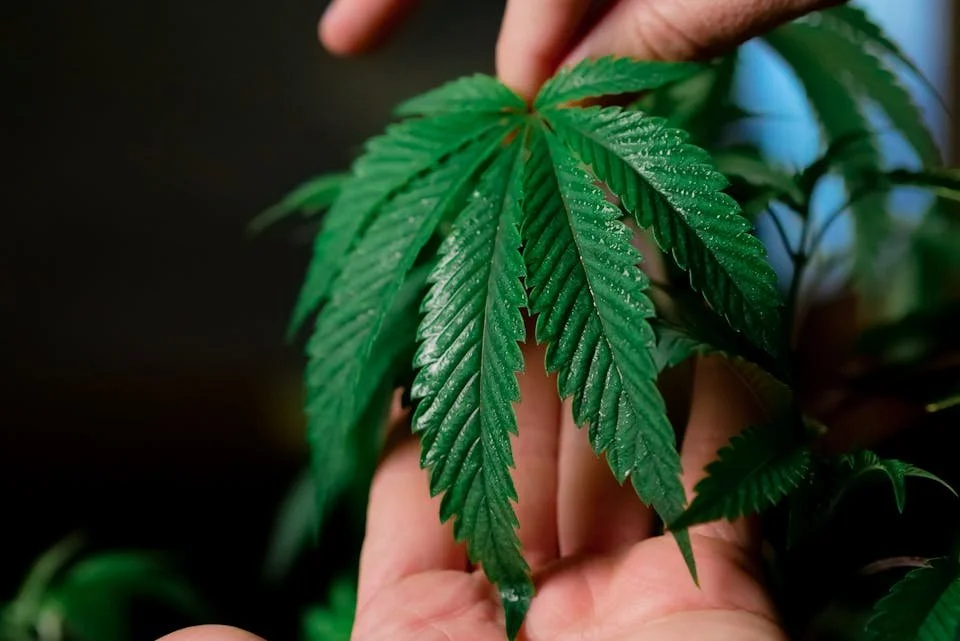
Every cannabis product represents a long chain of decisions made before it reaches a dispensary shelf. Cultivation practices, harvest timing, drying, curing, packaging, and storage all influence the final quality of the plant.
The process is not unlike other agricultural products where careful handling determines how well the natural characteristics of the crop are preserved.
Cannabis contains delicate chemical compounds that develop slowly during cultivation and remain sensitive after harvest. Terpenes provide the aroma and flavor associated with different cultivars. Cannabinoids define potency and contribute to the broader chemical profile of the plant.
Maintaining these compounds requires discipline at every stage of production.
From the moment a cannabis plant begins flowering to the moment a jar is opened, quality is shaped by how well each step protects the plant’s chemistry.
Cultivation Establishes the Foundation
Quality begins with cultivation.
Cannabis plants produce cannabinoids and terpenes inside trichomes during the flowering stage of growth. These resin glands form across the surface of the flower and contain the compounds that define the plant’s chemical identity.
Genetics determine the potential chemical profile of the plant, while environmental conditions influence how that profile develops.
Temperature, humidity, airflow, light intensity, and nutrient balance all play roles in shaping cannabinoid production and terpene expression.
Healthy plants grown under stable environmental conditions tend to produce stronger resin development.
Cultivation is therefore the stage where the chemical foundation of cannabis quality is established.
Everything that follows focuses on preserving what the plant has created.
Trichome Development Signals Maturity
As cannabis plants mature during flowering, trichomes begin producing higher concentrations of cannabinoids and terpenes.
Cultivators monitor these resin glands closely to determine when the plant has reached peak maturity.
Under magnification, trichomes shift in appearance over time. Early in development they appear clear. As cannabinoids develop, they become cloudy or milky.
This cloudy stage often signals that cannabinoid production has reached its peak.
Harvest timing depends on recognizing this window.
Harvesting too early may capture incomplete chemical development. Waiting too long can allow some volatile compounds to begin dissipating.
Careful observation helps cultivators harvest the plant when its chemical profile is most balanced.
Harvesting Captures the Plant’s Chemistry
Once the plant has reached its optimal maturity, harvesting captures the cannabinoids and terpenes present within the trichomes.
At this stage, the goal shifts from development to preservation.
Cannabis flowers must be handled carefully to avoid disturbing the delicate resin glands that hold the plant’s chemistry.
Mechanical stress, excessive handling, or compression can damage trichomes and reduce terpene content.
Careful harvesting practices help protect these structures.
Maintaining trichome integrity ensures that the chemical complexity developed during cultivation remains intact.
Drying Stabilizes the Plant Material
Freshly harvested cannabis contains high levels of moisture.
Drying allows this moisture to dissipate gradually while protecting the structural integrity of the flower.
Drying environments must balance airflow, temperature, and humidity carefully. Excessive heat or rapid airflow can accelerate terpene evaporation and damage trichomes.
Controlled drying conditions help preserve the compounds produced during cultivation.
The goal is to reduce moisture safely without degrading the plant’s chemical profile.
Proper drying prepares the flower for the next stage of the process.
Curing Enhances Aroma and Balance
After drying, cannabis typically enters a curing stage.
Curing allows slow chemical changes that stabilize the plant material while enhancing aroma and smoothness.
During curing, cannabis is stored under controlled humidity conditions that allow moisture to equalize throughout the flower. This process also allows chlorophyll levels to decline gradually.
As curing progresses, the aromatic character of the cannabis becomes more refined.
Terpene expression stabilizes and the flower becomes smoother when consumed.
This stage requires patience and careful monitoring to maintain the plant’s chemistry.
When done properly, curing improves the overall sensory experience of cannabis.
Packaging Protects the Final Product
Once cannabis has been dried and cured, packaging becomes the final step in protecting the plant’s chemistry.
Terpenes remain volatile even after curing. Exposure to oxygen, heat, or light can accelerate terpene evaporation and cannabinoid degradation.
Packaging materials therefore play an important role in maintaining product quality.
Glass containers are commonly used because they are chemically inert and non-porous. Unlike some plastics, glass does not absorb aromatic compounds.
Airtight lids help reduce oxygen exposure and create a stable internal environment.
By limiting environmental exposure, packaging helps preserve terpene content and cannabinoid balance during transportation and storage.
Storage Conditions Continue to Influence Quality
Even after packaging, environmental conditions can influence cannabis chemistry.
Heat accelerates chemical reactions that affect cannabinoids and terpenes. Direct sunlight can degrade light-sensitive compounds and increase internal temperatures inside containers.
Stable storage environments help slow these changes.
Cool, dark conditions allow cannabis to retain more of the chemical complexity captured during cultivation and curing.
Responsible storage practices work together with packaging to protect the product throughout distribution.
Laboratory Testing Confirms the Chemical Profile
Legal cannabis markets require independent laboratory testing before products can be sold.
Testing laboratories analyze cannabis samples to measure cannabinoid potency, terpene profiles, and safety screening results.
These results are documented in Certificates of Analysis connected to specific production batches.
COAs provide transparency into the chemical composition of cannabis products.
Consumers who wish to review these results can access updated Certificates of Analysis and product information at:
Verified retail availability can also be explored through the official Silly Nice brand page on Weedmaps.
These resources allow consumers to review both product chemistry and availability.
Quality Reflects the Entire Journey
Cannabis quality is not created in a single moment.
It develops gradually through cultivation and is preserved through harvesting, drying, curing, packaging, and storage.
Each stage plays a role in protecting the compounds that define the plant.
When handled with discipline and attention, cannabis retains the terpene richness and cannabinoid balance created during cultivation.
The jar on the dispensary shelf represents the final step in a process that began months earlier with a living plant.
Protecting that journey ensures that the product inside the jar reflects the full character of the plant itself.