
Before Silly Nice: Cannabis Was Never a Trend for Us
Before there was a name.
Before there was packaging.
Before there was a legal market, SKUs, or menus.
There was just cannabis—and a need for it to work.
For us, cannabis didn’t enter the picture through hype, culture drops, or clever branding. It showed up in 2001, quietly, out of necessity. Chronic neck and back pain from military service in the U.S. Army didn’t care about trends. Pain doesn’t wait for legalization. Pain doesn’t care what’s popular. You either find something that helps you function, or you don’t.
At the time, cannabis wasn’t romantic. It wasn’t aesthetic. There were no “strains of the week” conversations or debates about terpene charts. It was about relief. About making it through the day without your body screaming at you. About sleeping. About focus. About being able to exist in your own skin without constantly negotiating with discomfort.
Cannabis worked.
That’s where this story starts.
Not with an idea to start a brand.
Not with a vision board.
Not with an investor deck.
Just lived experience.
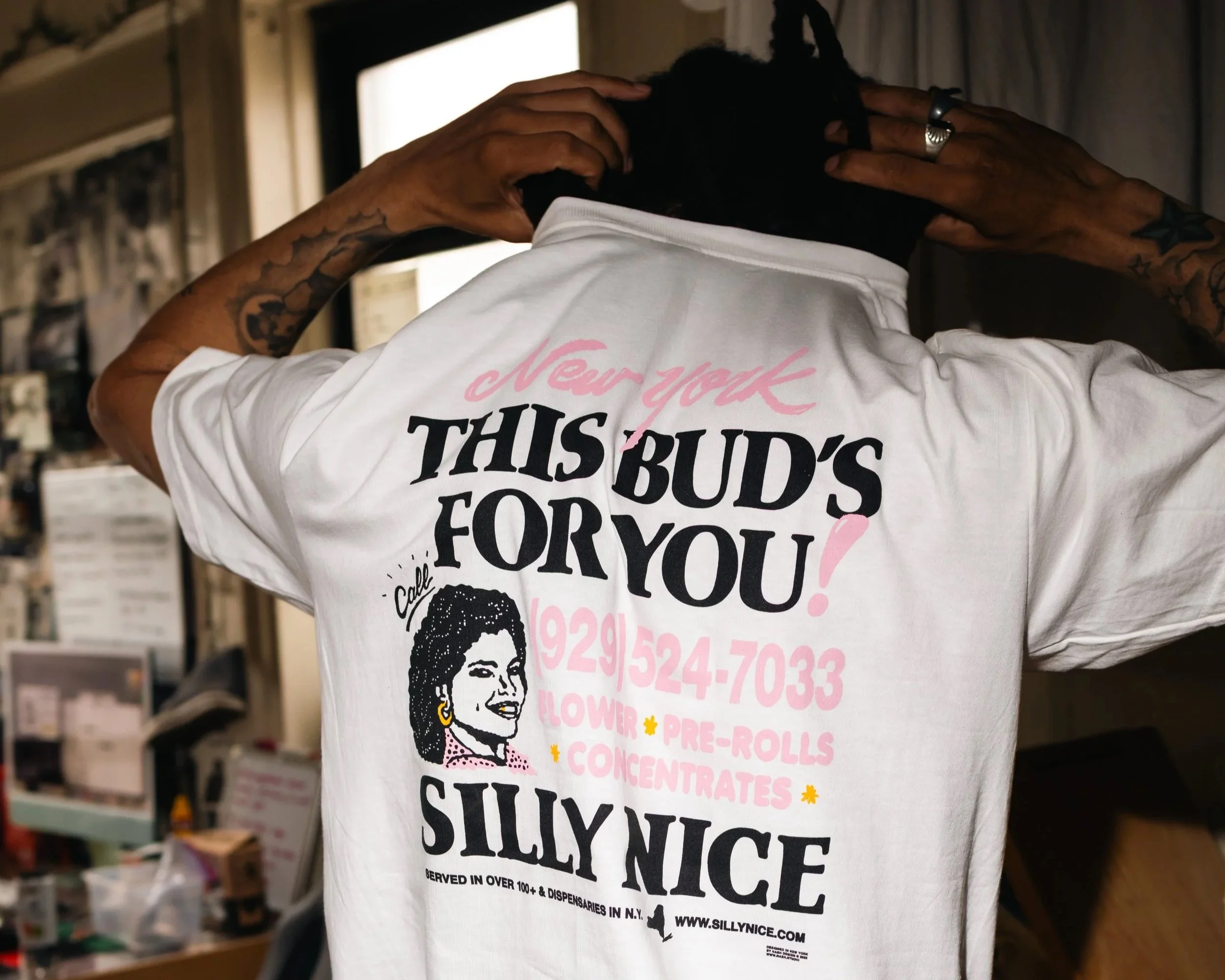
Back then, cannabis wasn’t something you talked about casually. You didn’t announce it. You didn’t build an identity around it. You didn’t wear it on a hoodie. It was private. Functional. Intentional. You figured out what helped, you respected it, and you moved on with your life.
Over time, something interesting happened.
Cannabis stopped being just about pain.
It became about balance. About consistency. About feeling like yourself again. It helped quiet the noise enough to focus. It helped the body settle so the mind could rest. It didn’t numb life—it made it more manageable. More present.
Still, there was no plan for “Silly Nice.” That would have felt ridiculous back then. The idea of a legal cannabis brand in New York wasn’t even a conversation. Cannabis was personal, not performative.
Then came 2002.
That year, we took our first trip to Amsterdam. The goal was simple: experience traditional hash. No expectations beyond that. No checklist. Just curiosity.
What we walked into changed everything.
Amsterdam wasn’t about excess. It wasn’t about chasing the highest number or the loudest product. It was about care. About standards. About respect for the plant and the people consuming it. The quality was undeniable. The flavors were intentional. The experience felt complete, not rushed or disposable.
What stood out most wasn’t just the product. It was the culture around it.
People weren’t in a hurry. Cannabis wasn’t treated like a novelty. It was integrated into daily life with maturity and restraint. It was something you used, not something you showed off. That stuck with us.
So much so that we kept going back.
Every year since.
Not for leisure. Not for nostalgia. Not because it sounded cool to say. We returned to stay connected—to history, to education, to craftsmanship. To remind ourselves that cannabis didn’t start in a dispensary display case. It didn’t begin with flashy packaging or influencer posts. It has roots. Deep ones.
Those trips shaped how we think about cannabis to this day.
But even with all of that, cannabis still wasn’t about a brand.
At home, it was part of life.
Our grandmother used cannabis balms to manage pain. Not because it was rebellious. Not because it was trendy. Because it helped. Our mother still uses cannabis today—to sleep better, to ease discomfort, to feel more balanced in her body and mind.
Multiple generations. Same plant. Same outcome: improved quality of life.
That’s when it became impossible to see cannabis as anything other than what it really is.
Not a trend.
Not a phase.
Not a personality.
A tool.
A tool for care.
A tool for connection.
A tool for showing up better—for yourself and for the people around you.
When legalization finally arrived, it didn’t suddenly make cannabis meaningful to us. It just made it possible to do things the right way. To apply everything we had learned—through experience, through observation, through patience—and offer it to others with intention.
That’s where Silly Nice comes in.
Silly Nice wasn’t built to chase attention. It wasn’t built to flood shelves or race to the bottom. It wasn’t built to be the cheapest option or the loudest one in the room.
It was built to reflect how we’ve always approached cannabis.
Slowly.
Thoughtfully.
With standards.
Everything we make is rooted in the same question we’ve been asking since the beginning: Would we use this ourselves?If the answer isn’t a clear yes, it doesn’t move forward.
That mindset comes directly from those early years—when cannabis had to earn its place in your life by actually working. When there was no room for filler, gimmicks, or shortcuts.
That’s why freshness matters to us. Why small batch matters. Why flavor matters. Why we don’t rush products. Why we don’t overextend. Why we don’t treat cannabis like something disposable.
Because for us, it never was.
Silly Nice exists because cannabis showed up for us long before we ever showed up for a market. It helped us function. It helped our family heal. It helped us slow down enough to appreciate what intention looks like when it’s done right.
This brand didn’t come from chasing a moment.
It came from honoring a relationship that’s been building since 2001.
And that’s just the beginning.