
Amsterdam Wasn’t a Trip. It Was an Education.
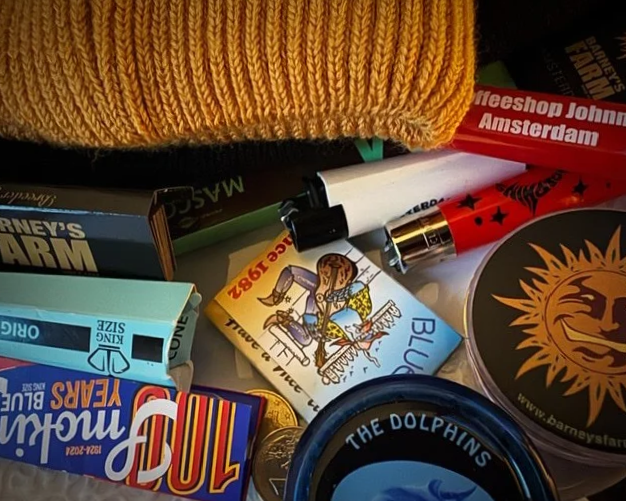
When people hear “Amsterdam,” they tend to picture the same things.
A weekend.
A vibe.
A blur.
That was never why we went.
In 2002, when we made our first trip, cannabis tourism wasn’t a buzzword. Instagram didn’t exist. Nobody was flexing dispensary hauls or ranking coffeeshops online. The goal was simple and very specific: experience traditional hash in the place where modern cannabis culture actually learned how to slow down and do things properly.
What we found was not what most people expect.
Amsterdam didn’t feel chaotic or indulgent. It felt deliberate.
The first thing that stood out was the pace. No rush. No pressure to overdo it. People weren’t trying to consume the most or the strongest. They were trying to enjoy what they had. Cannabis wasn’t treated like a novelty item. It was treated like something you respected enough to take your time with.
That alone was a lesson.
The second thing was quality—and not just potency. Flavor mattered. Texture mattered. Freshness mattered. You could tell immediately when something was made with care versus something pushed out for volume. There was no need for loud explanations or marketing language. The product spoke for itself.
Hash, especially, changed how we understood cannabis.
Traditional hash wasn’t about shock value. It wasn’t about obliterating your tolerance. It was about balance. Depth. A layered experience that unfolded slowly instead of hitting all at once. It burned differently. It felt different. It behaveddifferently.
That mattered to us.
What really stuck, though, was the culture around it all.
Cannabis wasn’t separated from life. It wasn’t hidden, but it wasn’t worshipped either. People used it like adults. With restraint. With intention. With awareness of their surroundings and responsibilities. There was no performative edge to it. No need to prove anything.
It was just… normal.
That normalization didn’t come from pretending cannabis was harmless or magical. It came from education. From history. From understanding what the plant does, what it doesn’t do, and how it fits into a balanced life.
That’s when it clicked.
Cannabis doesn’t need to be exaggerated to be meaningful.
After that first trip, we kept going back. Every year. Not because it was fun to say we did. Not because it was comfortable. Because it grounded us.
Amsterdam became a reset button.
Each visit was a reminder that cannabis has a lineage. That techniques didn’t come from nowhere. That hash-making, infusion, curing, and preservation all existed long before legalization campaigns and retail rollouts.
It also reminded us how easy it is to lose the plot.
When cannabis becomes about speed, volume, and numbers on a label, something important gets stripped away. The experience flattens. Everything starts to feel interchangeable. You stop asking why a product exists and only focus on how fast it moves.
That was never the path we wanted.
Those yearly trips reinforced a few core beliefs that still guide Silly Nice today:
Cannabis should be intentional.
Cannabis should be respected.
Cannabis should be enjoyed, not rushed.
You don’t need to overwhelm people to impress them. You don’t need to chase extremes to make something memorable. You need standards. You need patience. You need to know when not to push something out.
Amsterdam taught us that the best cannabis experiences don’t scream for attention. They invite you to slow down.
That philosophy followed us home every time.
It influenced how we think about hash versus solvent-based concentrates. It influenced how we approach infusion. It influenced why we care so much about freshness and why we’re comfortable selling out instead of cutting corners. It influenced why we don’t make products just because the market says they’ll sell.
Not everything needs to exist.
Only the things that make sense.
So when Silly Nice eventually came into being, it wasn’t about recreating Amsterdam. That was never the goal. You can’t copy culture. You can only learn from it.
What we brought back was respect.
Respect for process.
Respect for restraint.
Respect for the idea that cannabis deserves more than shortcuts and hype cycles.
That’s why we don’t rush.
That’s why we don’t overextend.
That’s why we build slowly and deliberately.
Amsterdam didn’t inspire us to start a brand.
It taught us how not to lose ourselves if we ever did.
And that education still shows up in everything we make.