
Why Trichomes Matter: The Resin Glands That Power Cannabis
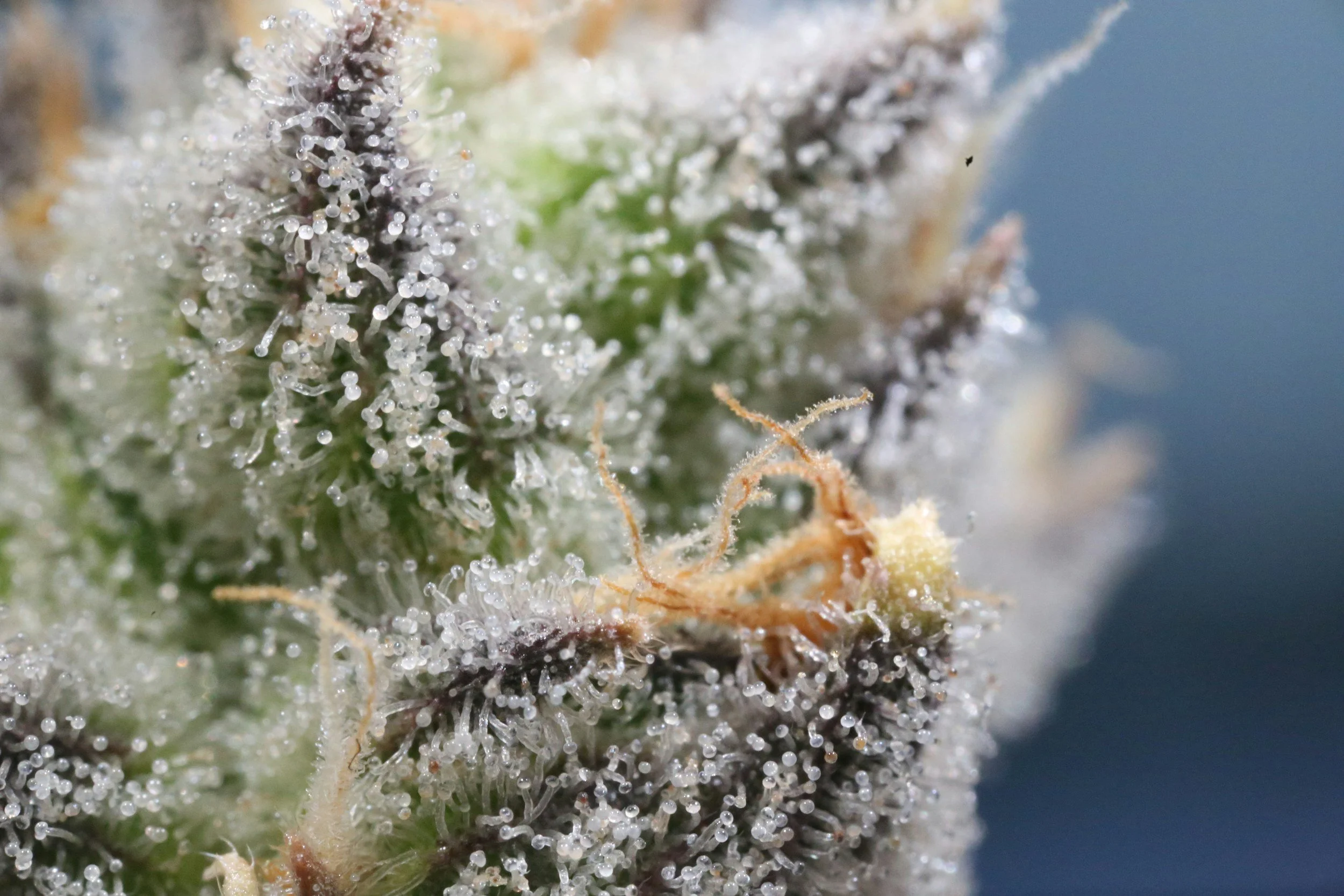
The visible beauty of cannabis often begins with what looks like frost on the surface of the flower. Under magnification, that frost reveals a dense layer of microscopic structures known as trichomes.
These tiny resin glands are responsible for producing the compounds that define cannabis. Cannabinoids such as THC and CBD are formed inside trichomes. The aromatic terpenes that give cannabis its scent and flavor also originate within these same structures.
Without trichomes, cannabis would not possess the chemical complexity that makes the plant unique.
Understanding how trichomes form, develop, and are preserved helps explain many of the decisions involved in responsible cannabis cultivation, processing, and packaging.
The entire value of the plant is concentrated in these fragile resin glands.
What Trichomes Are
Trichomes are small glandular structures that develop on the surface of cannabis flowers and nearby leaves during the flowering stage of growth.
Under magnification, trichomes resemble tiny glass mushrooms. Each gland contains a bulbous head attached to a thin stalk that rises above the surface of the plant.
Inside these resin-filled heads, the plant synthesizes cannabinoids and terpenes.
The plant produces trichomes as part of its natural defense system. The sticky resin helps deter insects and protects the flower from environmental stress such as intense sunlight.
For cannabis producers and consumers, trichomes represent the most valuable part of the plant.
These structures hold the compounds responsible for potency, aroma, and the broader chemical identity of the cultivar.
Trichomes Produce Cannabinoids
Cannabinoids are synthesized inside the resin glands of trichomes.
The plant begins producing these compounds during the flowering stage as part of its reproductive cycle. As trichomes mature, cannabinoid concentrations increase within the resin they contain.
The two most widely recognized cannabinoids are THC and CBD, but cannabis produces many others, including CBG, CBC, and CBN.
Each cannabinoid interacts differently with the body’s endocannabinoid system.
The total cannabinoid content within cannabis flower depends heavily on the density and maturity of trichomes present on the plant.
Healthy plants with well-developed trichomes tend to produce higher concentrations of cannabinoids.
This makes trichome development one of the most important factors in cannabis cultivation.
Terpenes Also Form in Trichomes
In addition to cannabinoids, trichomes produce the aromatic compounds known as terpenes.
Terpenes are responsible for the scent and flavor of cannabis. Citrus aromas often reflect the presence of limonene, while earthy or herbal notes may indicate myrcene. Pine-like aromas are typically associated with pinene.
These aromatic compounds develop alongside cannabinoids inside the trichomes.
Because terpenes are volatile, meaning they evaporate easily, protecting trichomes helps preserve the aromatic complexity of the plant.
If trichomes are damaged or exposed to excessive heat, terpene levels can decline.
Maintaining trichome integrity therefore protects both potency and aroma.
Trichome Development Signals Harvest Timing
Cultivators monitor trichomes carefully during the flowering stage to determine the optimal time for harvest.
As trichomes mature, their appearance changes.
Under magnification, trichomes begin as clear structures during early resin production. As cannabinoids develop, the trichome heads become cloudy or milky in appearance.
This cloudy stage often indicates peak cannabinoid production.
Over time, some trichomes may shift toward amber coloration as chemical changes occur within the resin.
By observing these visual cues, cultivators can identify the window when cannabinoid and terpene development has reached its peak.
Harvesting within this window helps capture the plant’s intended chemical profile.
Trichomes Are Extremely Delicate
Despite their importance, trichomes are fragile.
Mechanical stress, excessive handling, and compression can cause resin glands to break off the surface of the flower.
This damage reduces the concentration of cannabinoids and terpenes present in the final product.
Because of this fragility, cannabis must be handled carefully throughout harvesting, drying, and packaging.
Rough mechanical processing or excessive agitation can disturb the trichomes and alter the chemical composition of the product.
Responsible production environments emphasize gentle handling to protect these delicate resin structures.
Protecting trichomes preserves the chemistry produced during cultivation.
Drying and Curing Protect Resin Integrity
After harvest, cannabis undergoes drying and curing processes designed to stabilize the plant material.
Drying allows excess moisture to dissipate gradually. Rapid drying can cause terpene loss and damage trichomes due to excessive heat or airflow.
Controlled drying environments help preserve resin glands while reducing moisture content safely.
Curing follows drying and allows chemical processes within the plant material to stabilize.
During curing, cannabis is stored under carefully controlled humidity levels that allow moisture to equalize throughout the flower.
These conditions help maintain trichome integrity while improving aroma and overall product smoothness.
Protecting resin glands during these stages helps preserve both cannabinoid potency and terpene expression.
Packaging Helps Protect Trichomes
Even after cannabis has been processed, trichomes remain sensitive to environmental conditions.
Packaging plays an important role in protecting these resin glands during storage and transportation.
Rigid containers help prevent compression that might crush the delicate flower structure. Glass jars are commonly used because they provide structural stability while remaining chemically inert.
Airtight lids reduce oxygen exposure, which helps slow terpene evaporation and cannabinoid oxidation.
By maintaining a stable internal environment, packaging protects the trichomes that hold the plant’s chemistry.
Without responsible packaging, trichome integrity could degrade before the product reaches consumers.
Laboratory Testing Reveals Resin Chemistry
Laboratory testing provides insight into the chemical composition contained within trichomes.
Independent laboratories analyze cannabis samples to measure cannabinoid potency, terpene profiles, and contaminant screening results.
These results are documented in Certificates of Analysis associated with specific production batches.
COAs allow consumers to review the chemical data connected to the products they purchase.
Updated product information and Certificates of Analysis can be accessed at:
Consumers can also explore verified retail availability through the official Silly Nice brand page on Weedmaps.
These resources provide transparency into both the chemical profile and availability of cannabis products.
Trichomes Hold the Essence of the Plant
Every stage of cannabis production ultimately centers on protecting trichomes.
Cultivation encourages their development. Harvest timing captures them at peak maturity. Drying and curing stabilize the resin they contain. Packaging protects them from environmental stress.
Inside these tiny structures lies the entire chemical identity of the plant.
Cannabinoids, terpenes, and other compounds all originate within the resin glands covering cannabis flowers.
When trichomes remain intact, the product retains the full complexity created during cultivation.
In cannabis, the frost on the flower is not merely visual. It is the physical expression of the plant’s chemistry and the foundation of everything the plant has to offer.