
Why Terpenes Matter More Than THC in Cannabis
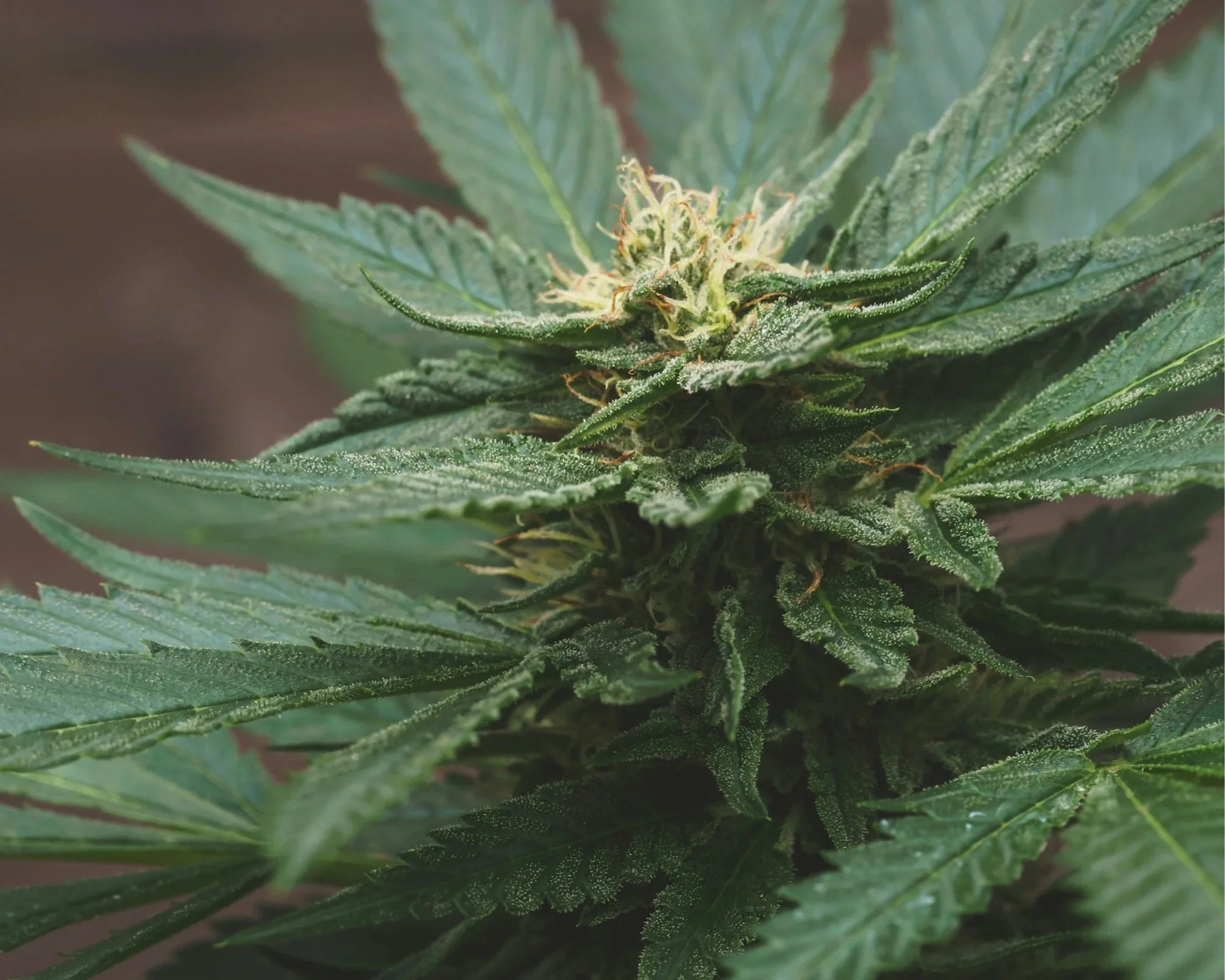
For many years, cannabis consumers judged quality almost entirely by THC percentage. Higher numbers were assumed to mean stronger effects and better cannabis.
Today, the conversation has evolved.
Experienced cannabis consumers now understand that THC is only one part of the equation. The overall experience of cannabis is shaped by a combination of cannabinoids, terpenes, and the quality of cultivation and extraction.
Among these factors, terpenes have become one of the most important.
Terpenes are the aromatic compounds responsible for the flavor and scent of cannabis. They also influence how cannabinoids interact with the body, shaping the mood, intensity, and balance of the experience.
As the New York cannabis market continues to mature, terpene-rich cannabis products are gaining attention among consumers who value both flavor and effect.
Brands like Silly Nice place a strong emphasis on terpene preservation because these compounds define the character of the plant.
What Are Terpenes?
Terpenes are naturally occurring aromatic compounds found in many plants.
They are responsible for the scents associated with herbs, fruits, flowers, and trees. The smell of citrus peel, pine forests, lavender, and fresh basil all come from terpene molecules.
Cannabis contains more than 200 different terpenes, each contributing unique characteristics to the plant.
These compounds influence:
• aroma
• flavor
• how cannabis interacts with the body
When cannabis flower is cultivated and processed carefully, these compounds remain intact and create the complex flavors associated with high-quality cannabis.
When terpenes are lost through poor storage or over-processing, cannabis can taste flat or muted.
How Terpenes Influence Cannabis Effects
Terpenes do more than create flavor.
They interact with cannabinoids such as THC and CBD to shape the overall experience. This interaction is known as the entourage effect, a concept widely discussed in modern cannabis science.
Instead of acting independently, cannabinoids and terpenes work together to influence how cannabis affects mood, focus, relaxation, and energy.
For example:
• limonene is often associated with uplifting effects
• myrcene is commonly linked to relaxation
• pinene may promote alertness and clarity
• linalool is often connected to calming sensations
• caryophyllene interacts with cannabinoid receptors
The combination of cannabinoids and terpenes creates the unique experience associated with different cannabis strains.
The Most Common Cannabis Terpenes
Several terpenes appear frequently in cannabis and help define the flavor and experience of many products.
Limonene
Limonene is one of the most recognizable terpenes in cannabis.
It produces a bright citrus aroma similar to lemon peel. Cannabis strains rich in limonene often feel uplifting and energetic.
Myrcene
Myrcene is one of the most abundant terpenes in cannabis.
It produces earthy, herbal aromas and is often associated with relaxing effects.
Beta-Caryophyllene
Caryophyllene creates a peppery, spicy scent.
Unlike most terpenes, caryophyllene can interact directly with cannabinoid receptors, which has attracted attention in cannabis research.
Pinene
Pinene produces the scent of pine trees and fresh forests.
It is commonly associated with clear-headed effects and mental alertness.
Linalool
Linalool produces floral aromas similar to lavender.
Cannabis strains containing linalool often provide calming effects.
Why Terpene Preservation Matters
Terpenes are delicate compounds.
Exposure to heat, oxygen, and light can degrade them quickly. Poor storage conditions or aggressive extraction processes can strip cannabis of its terpene content.
For cannabis producers who prioritize quality, preserving these compounds requires careful attention throughout cultivation, extraction, and packaging.
Silly Nice focuses heavily on terpene preservation across its product line.
This includes:
• small-batch production
• careful extraction techniques
• fresh packaging
• transparent lab testing
Maintaining terpene integrity ensures that the final product reflects the natural character of the plant.
Terpenes in Concentrates
Concentrates can either preserve or destroy terpene content depending on the extraction method used.
Modern cannabis consumers often seek concentrates that maintain strong terpene profiles.
Examples include:
• live resin
• solventless hash
• terpene-rich vape extracts
Silly Nice products such as Bubble Hash and Diamond-Frosted & Live Resin Infused Flower are designed to preserve terpene expression while delivering strong cannabinoid potency.
For example, Silly Nice Bubble Hash contains terpene levels exceeding six percent while maintaining strong cannabinoid content.
Consumers can review laboratory testing and terpene data at:
Why THC Alone Does Not Define Quality
A product with extremely high THC but very low terpene content may deliver a one-dimensional experience.
In contrast, cannabis with balanced cannabinoid levels and rich terpene profiles often produces a more complex and satisfying effect.
This is why many experienced consumers now prioritize terpene profiles when choosing cannabis.
Instead of asking only about THC percentage, they often ask questions such as:
• What terpenes are present?
• How strong is the terpene profile?
• Was the product produced fresh?
These questions help consumers identify cannabis that preserves the plant’s natural complexity.
The Future of Cannabis Quality
As the cannabis industry matures, consumer education continues to evolve.
The early legal market focused heavily on THC percentages because potency was easy to measure and easy to market.
The next phase of cannabis culture is becoming more sophisticated. Flavor, terpene richness, and extraction craftsmanship are now becoming key indicators of quality.
This shift mirrors what has happened in other industries such as wine, coffee, and craft beer.
Consumers eventually begin seeking products that emphasize craftsmanship rather than simple strength.
Silly Nice was built around that philosophy from the beginning.
The brand focuses on terpene-rich cannabis products produced in small batches and supported by transparent lab testing.
For consumers exploring cannabis in New York today, understanding terpenes offers one of the clearest ways to identify high-quality cannabis.