
Why Terpenes Matter More Than THC
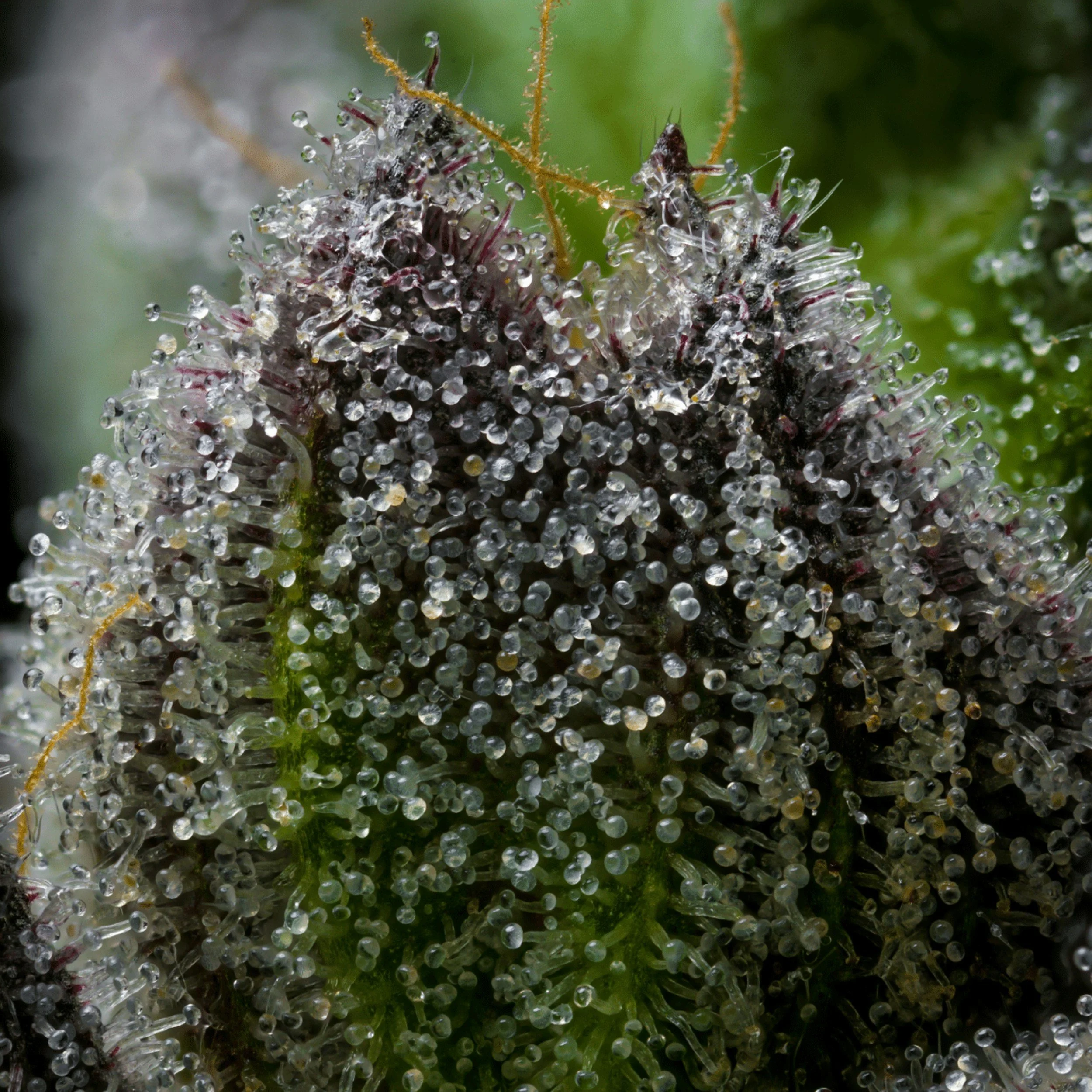
In conversations about cannabis quality, THC percentages often dominate the discussion. For many consumers, potency has become shorthand for value. Yet seasoned cultivators, extractors, and experienced consumers tend to evaluate cannabis differently. Flavor, aroma, and the overall character of the plant often reveal far more about quality than THC numbers alone.
At the center of that conversation are terpenes.
Terpenes are the aromatic compounds produced by cannabis and many other plants. They are responsible for the citrus in lemons, the scent of pine forests, the floral character of lavender, and the spicy warmth of black pepper. In cannabis, terpenes create the distinctive flavor and aromatic fingerprint that makes each cultivar unique.
Understanding terpenes helps explain why two cannabis products with identical THC levels can feel entirely different. It also reveals why responsible production methods, careful storage, and thoughtful packaging are essential to preserving the full character of the plant.
What Terpenes Actually Do
Terpenes serve multiple purposes in the cannabis plant itself. In nature they help protect the plant, attract pollinators, and defend against pests. For consumers, they play a far more experiential role.
Terpenes influence:
Aroma and flavor
Perceived intensity
Mood and sensory character
The way cannabinoids interact with the body
Cannabis scientists often refer to the interaction between cannabinoids and terpenes as the entourage effect. Rather than THC acting alone, the plant’s full chemical profile contributes to the overall experience.
For example:
Limonene often produces bright citrus aromas and uplifting character
Myrcene tends to deliver earthy, musky notes with relaxing qualities
Beta-Caryophyllene introduces peppery spice and may interact with CB2 receptors
Pinene carries pine forest aromas and can feel mentally clarifying
The presence and balance of these compounds help determine how a product feels beyond the simple THC percentage printed on a label.
Why THC Alone Tells an Incomplete Story
Two cannabis products can both test at 25 percent THC yet deliver dramatically different experiences. One may feel energetic and uplifting. Another may feel grounding and slow-moving. The difference often comes down to the terpene profile.
Cannabis that prioritizes terpene preservation tends to offer:
richer aroma
more complex flavor
a smoother experience
more nuanced effects
By contrast, cannabis that loses terpenes through poor handling or storage often becomes muted in flavor and one-dimensional in character.
This is one reason many experienced consumers evaluate cannabis by smell first. Aroma is often the quickest indicator of terpene presence.
How Terpenes Are Lost
Terpenes are delicate compounds. While cannabinoids such as THC remain relatively stable, terpenes can degrade quickly if exposed to the wrong conditions.
Several factors contribute to terpene loss.
Oxygen Exposure
Air slowly oxidizes aromatic compounds. If cannabis packaging allows excessive airflow, terpene evaporation accelerates.
Heat
High temperatures cause volatile terpenes to evaporate more quickly.
Light
Ultraviolet light can degrade cannabinoids and terpenes over time.
Poor Packaging Materials
Certain plastics can absorb aromatic compounds, reducing terpene intensity before the consumer even opens the container.
When these factors combine, cannabis may retain its THC percentage but lose much of the flavor and complexity that makes the plant special.
The Role of Responsible Packaging
Packaging is often overlooked in cannabis discussions, yet it plays a critical role in preserving terpene integrity.
Glass containers provide several advantages compared with many common packaging materials.
Glass is non-porous and chemically stable. It does not absorb aromatic compounds, meaning the terpene profile remains intact. When properly sealed, glass containers also reduce oxygen exposure and help maintain freshness over time.
Responsible packaging decisions also intersect with environmental responsibility. Recycled glass jars, renewable materials, and sustainable packaging solutions reduce environmental impact while maintaining product quality.
Thoughtful packaging protects both the plant’s chemistry and the planet’s resources.
Terpene Integrity and Small-Batch Cannabis
Production scale also affects terpene preservation.
Large-scale cannabis operations often prioritize efficiency and long storage timelines. Products may sit in warehouses or distribution centers for extended periods before reaching shelves.
Small-batch production offers a different approach. When cannabis is produced in smaller runs and packaged closer to distribution, terpene profiles remain closer to their original state.
Fresh production cycles reduce the time between harvest, processing, and consumption. That difference can be noticeable in both aroma and flavor.
For consumers who value the natural character of cannabis, freshness and terpene preservation often matter more than the raw THC number.
Why Terpenes Shape Flavor
Terpenes are the foundation of cannabis flavor. Without them, cannabis would smell and taste largely neutral.
The tropical fruit character in some cultivars comes from terpene combinations such as limonene, farnesene, and myrcene. Earthy spice notes often arise from caryophyllene and humulene. Pine, citrus, floral, and herbal characteristics all originate from terpene expression.
This is why terpene-rich cannabis often feels more expressive and memorable. Flavor is not an afterthought. It is a direct reflection of the plant’s chemistry and the care taken during production.
Consumers who focus only on THC percentages may miss the deeper layers that make cannabis enjoyable.
Transparency Helps Consumers Understand Quality
The most reliable way to evaluate terpene content is through Certificates of Analysis, commonly called COAs. These laboratory reports show the cannabinoid and terpene profiles for each product batch.
A COA typically lists:
THC percentage
total cannabinoids
terpene concentrations
contaminant testing
residual solvent testing where applicable
Reviewing these reports allows consumers to understand exactly what they are purchasing.
Updated COAs and detailed product information can be found at
https://sillynice.com/menu
Cannabis Quality Is a Balance
Cannabis quality rarely comes from a single metric. THC plays a role, but it represents only one part of a much larger picture.
True quality often reflects a combination of factors:
terpene preservation
cultivation practices
extraction technique
packaging materials
freshness
laboratory transparency
When these elements work together, cannabis expresses its full character.
A More Informed Way to Choose Cannabis
As the legal cannabis industry matures, consumer education continues to evolve. More people are beginning to look beyond potency numbers and explore terpene profiles, cannabinoid diversity, and production practices.
Understanding terpenes helps consumers make more informed choices and appreciate the plant for its complexity rather than a single statistic.
For those interested in exploring terpene-rich cannabis products and reviewing verified laboratory results, updated product information and Certificates of Analysis are available at:
Verified retail availability can also be viewed through the official Silly Nice brand page on Weedmaps.
Cannabis has always been more than a number on a label. Terpenes are a reminder that the plant’s most meaningful qualities often live in its subtleties.