
Why Terpene Preservation Is One of the Most Important Parts of Cannabis Quality
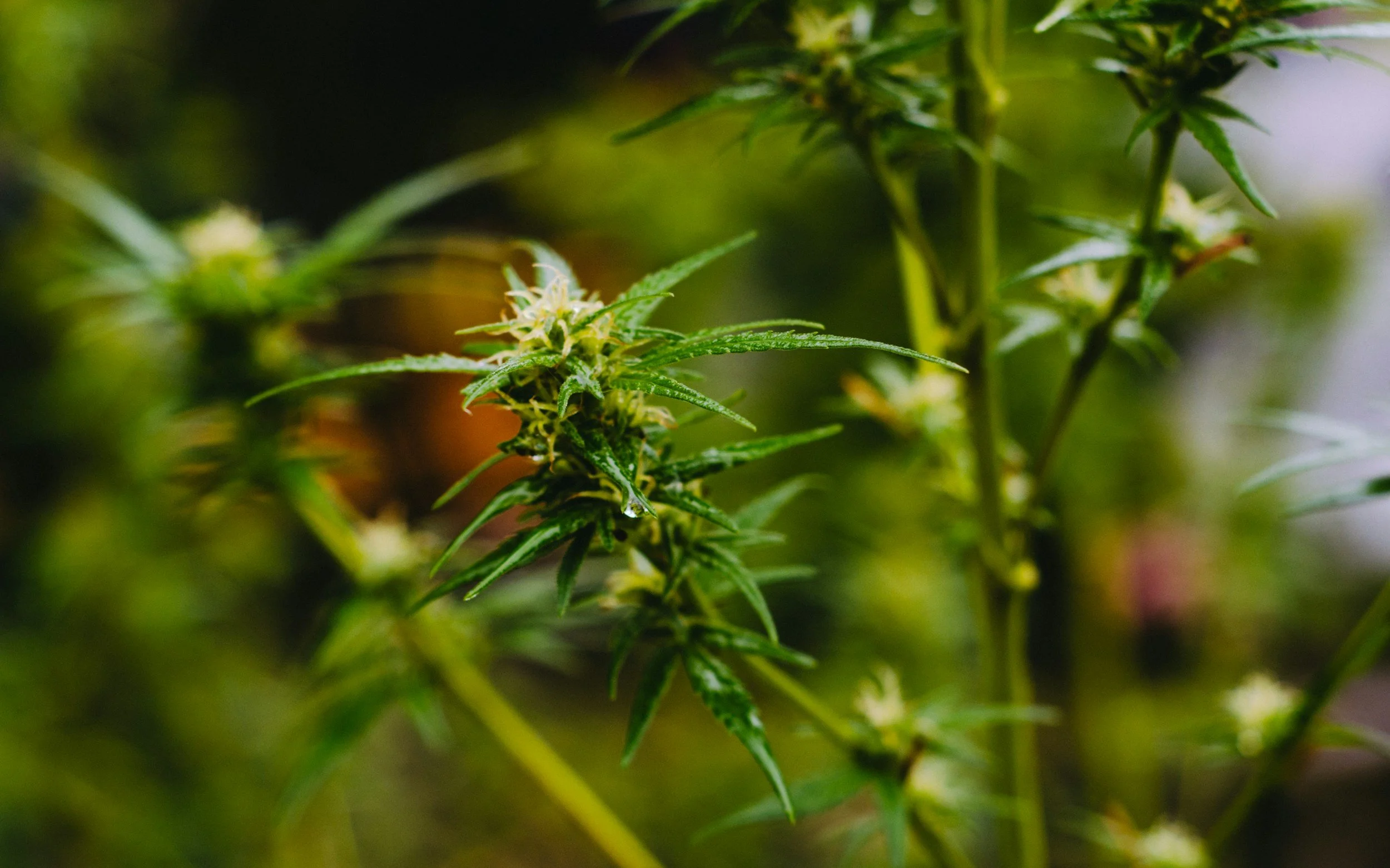
Cannabis quality is often reduced to a single number: THC percentage. While cannabinoid potency is an important factor, it tells only part of the story. Much of the complexity associated with cannabis comes from a different group of compounds known as terpenes.
Terpenes are aromatic molecules responsible for the scent and flavor of cannabis. They contribute citrus brightness, pine forest notes, floral fragrance, herbal spice, and countless other sensory expressions that make one cultivar distinct from another.
These compounds also play a role in the broader chemical balance of the plant. When terpenes remain intact, cannabis often feels more expressive and nuanced.
Preserving terpene integrity is therefore one of the most important aspects of maintaining cannabis quality.
What Terpenes Actually Are
Terpenes are naturally occurring compounds found throughout the plant kingdom. They appear in fruits, herbs, flowers, and trees.
The familiar scent of a lemon peel comes from the terpene limonene. The aroma of pine needles comes from pinene. Lavender owes its fragrance to linalool.
Cannabis produces many of these same compounds. In fact, the plant contains dozens of identifiable terpenes that combine to form its aromatic signature.
Each cultivar produces its own terpene profile depending on genetics, growing conditions, and harvest timing.
The result is the wide spectrum of aromas that cannabis consumers recognize.
Aroma as an Indicator of Terpene Integrity
One of the simplest ways to evaluate terpene preservation is through aroma.
When cannabis retains its terpene content, opening a container releases an immediate burst of scent. Citrus, pine, tropical fruit, earth, or floral notes often signal that the plant’s aromatic compounds remain intact.
Muted or faint aroma may indicate that terpene concentrations have declined over time.
Because terpenes evaporate relatively easily, they are often the first compounds to diminish when cannabis is exposed to environmental stress.
Strong aroma is therefore one of the most recognizable indicators of terpene integrity.
Terpenes Influence Flavor
Terpenes do more than create aroma. They also shape the flavor experienced when cannabis is heated and consumed.
During combustion or vaporization, terpenes vaporize alongside cannabinoids. These compounds travel through the vapor or smoke and contribute to the flavor profile associated with the product.
Complex terpene profiles can produce layered sensory experiences. Bright citrus notes may combine with herbal spice, while earthy tones may be balanced by floral sweetness.
Without terpenes, cannabis would lose much of the flavor complexity that defines different cultivars.
Maintaining terpene content helps preserve the full sensory experience of the plant.
Environmental Factors That Affect Terpenes
Terpenes are volatile molecules. Their structure allows them to evaporate easily when exposed to certain environmental conditions.
Several factors can accelerate terpene loss.
Oxygen Exposure
Air exposure allows aromatic compounds to dissipate gradually over time.
Heat
Higher temperatures increase terpene evaporation rates.
Light
Ultraviolet light may contribute to chemical degradation of aromatic compounds.
Time
Even under stable conditions, terpene concentrations slowly decline as part of the plant’s natural chemistry.
Because these factors are difficult to eliminate completely, preserving terpene integrity requires careful attention throughout the cannabis supply chain.
Cultivation and Terpene Development
Terpenes begin forming during the cultivation stage.
Environmental conditions such as temperature, humidity, light spectrum, and nutrient balance influence how cannabis plants produce aromatic compounds.
Different cultivars express different terpene profiles due to genetic variation. Cultivators often select specific strains based on the aromatic characteristics they produce.
Harvest timing also plays a role. Terpene concentrations can change as the plant matures, and careful harvest timing helps capture the desired chemical profile.
Preserving these compounds after harvest becomes the next challenge.
The Importance of Proper Curing
After harvest, cannabis must undergo a curing process.
Curing allows moisture levels within the flower to stabilize while encouraging gradual chemical changes that enhance aroma and smoothness.
During this stage, cannabis is typically stored under controlled humidity and temperature conditions. This environment allows excess moisture to dissipate while protecting terpene content.
Proper curing requires patience and careful monitoring. Rushing this stage can compromise both flavor and overall quality.
The curing process plays a major role in developing the final terpene profile associated with cannabis flower.
Packaging and Terpene Stability
Once cannabis is processed and packaged, storage conditions become critical for preserving terpene content.
Packaging materials influence how much air, light, and environmental fluctuation the product experiences.
Glass containers are often preferred because they are non-porous and chemically inert. Unlike certain plastics, glass does not absorb aromatic compounds or interact with cannabinoids.
Properly sealed containers also reduce oxygen exchange, helping slow the evaporation of volatile terpene molecules.
Secondary packaging layers may provide additional protection against light exposure.
Together, these elements help maintain the aromatic character developed during cultivation and curing.
Production Timing and Freshness
Time also affects terpene stability.
When cannabis spends extended periods in storage before reaching consumers, terpene concentrations may gradually decline.
Production systems that emphasize smaller, controlled batches often shorten the time between processing and distribution.
Shorter timelines help preserve terpene intensity and maintain the sensory qualities associated with fresh cannabis.
Maintaining freshness allows the plant to retain more of the aromatic complexity created during cultivation.
Transparency Through Laboratory Testing
Laboratory testing provides insight into terpene content within cannabis products.
Independent laboratories analyze cannabis to measure cannabinoid levels, terpene composition, and contaminant screening results. These findings are documented in Certificates of Analysis.
COAs provide detailed information about the chemical profile associated with each batch of product.
Reviewing terpene analysis helps consumers understand the aromatic compounds present within a particular product.
Updated product information and Certificates of Analysis can be viewed at:
Consumers can also explore verified retail availability through the official Silly Nice brand page on Weedmaps.
Terpenes Reveal the True Character of Cannabis
The cannabis plant produces a complex combination of cannabinoids, terpenes, and other natural compounds. While potency numbers receive much of the attention, terpene preservation plays an equally important role in defining quality.
These aromatic molecules create the scent, flavor, and sensory complexity that make cannabis distinctive.
Protecting terpene integrity requires careful cultivation, patient curing, responsible packaging, and thoughtful storage conditions.
When these elements align, cannabis retains the aromatic richness that reflects the plant at its best.
Terpene preservation ultimately allows consumers to experience the plant in its most expressive form.