
Why Some Weed Hits Harder Than Others
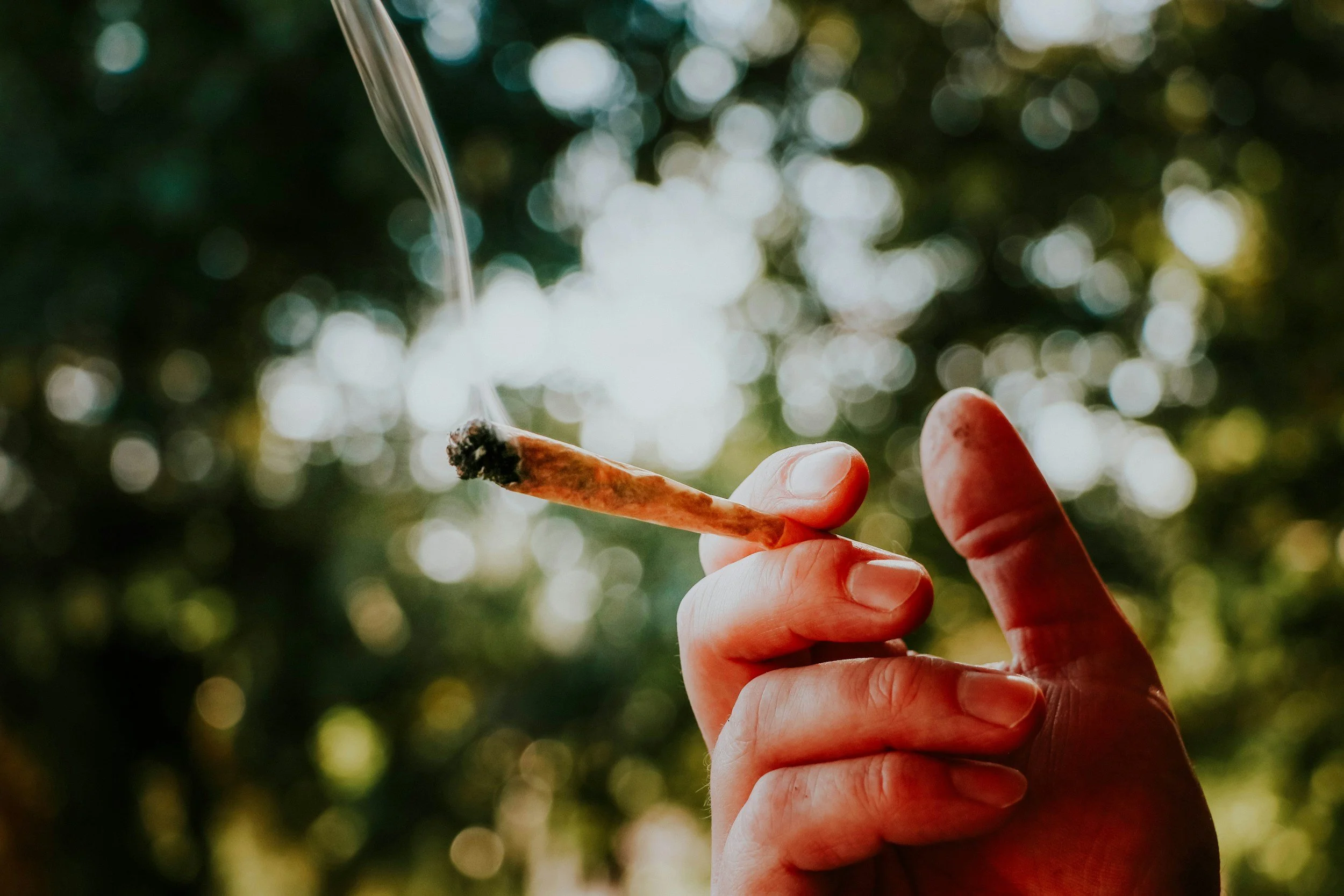
Many cannabis consumers have experienced the same situation: two cannabis products may have similar THC percentages, yet one feels significantly stronger than the other.
This difference often leads to a common question in cannabis culture: why does some weed hit harder than others?
While THC percentage is an important factor in cannabis potency, it is only one part of a much larger equation. The overall cannabis experience depends on a combination of cannabinoids, terpenes, genetics, and individual tolerance.
Understanding these factors helps explain why cannabis can produce very different experiences from one strain or product to another.
THC Still Matters
THC, or tetrahydrocannabinol, is the cannabinoid most commonly associated with cannabis potency.
Higher THC levels often produce stronger psychoactive effects, which is why many dispensary menus emphasize THC percentage.
Cannabis flower commonly ranges between 15 and 30 percent THC, while concentrates may exceed 70 percent THC.
However, two cannabis products with identical THC levels may still produce noticeably different effects.
This happens because THC interacts with many other compounds within the cannabis plant.
Terpenes Shape the Experience
One of the biggest influences on how cannabis feels is the plant’s terpene profile.
Terpenes are aromatic compounds that give cannabis its distinctive flavor and aroma. These compounds also interact with cannabinoids in ways that influence how cannabis affects the body.
For example:
• Limonene is often associated with bright citrus aromas and uplifting effects.
• Myrcene commonly appears in strains known for relaxing characteristics.
• Pinene is often associated with alertness and clarity.
• Beta-caryophyllene interacts directly with the body’s endocannabinoid system.
Two cannabis strains with similar THC levels but different terpene profiles may produce completely different experiences.
The Entourage Effect
Cannabis compounds often work together rather than acting independently.
This concept is known as the entourage effect.
The entourage effect refers to the interaction between cannabinoids, terpenes, and other plant compounds that influence the overall cannabis experience.
A cannabis product with balanced cannabinoids and strong terpene content may feel stronger or more complex than a product that focuses solely on THC.
For many cannabis enthusiasts, terpene expression plays an important role in determining how powerful a strain feels.
Minor Cannabinoids Also Matter
While THC receives most of the attention, cannabis contains many other cannabinoids that contribute to the experience.
These compounds include:
• CBG
• CBC
• CBN
• THCa
• CBD
Each of these cannabinoids interacts with the body’s endocannabinoid system differently.
When present together, these compounds can influence how cannabis feels and how long the effects last.
Even small amounts of minor cannabinoids can subtly change the overall experience.
Genetics Influence Cannabis Effects
Cannabis genetics also play a major role in how a strain feels.
Different strains produce different combinations of cannabinoids and terpenes.
Breeders often select genetics that emphasize specific terpene profiles or cannabinoid expressions.
This is why two strains that appear visually similar may still produce very different effects.
Genetics determine the chemical blueprint of the cannabis plant.
Freshness Can Affect Potency
The freshness of cannabis can also influence how strong it feels.
Over time, cannabinoids and terpenes slowly degrade when exposed to light, heat, and oxygen.
Cannabis that has been stored improperly or left on shelves for extended periods may lose potency and flavor.
Fresh cannabis products typically retain stronger terpene profiles and more stable cannabinoid content.
This is one reason many cannabis enthusiasts prefer small-batch products that move quickly through the supply chain.
Concentrates Deliver Higher Potency
Cannabis concentrates are often significantly stronger than traditional cannabis flower.
By isolating the resin glands of the plant, concentrates deliver cannabinoids in much higher concentrations.
Some concentrates exceed 80 percent THC, which can produce stronger effects even in small amounts.
Common concentrate types include:
• bubble hash
• live resin
• crystalline cannabinoids
• infused cannabis flower
Because these products contain higher cannabinoid levels, they may feel significantly stronger than traditional cannabis flower.
Individual Tolerance Plays a Role
Every person experiences cannabis differently.
Factors such as body chemistry, metabolism, and previous cannabis use influence how cannabis affects an individual.
Consumers who use cannabis regularly may develop tolerance to THC, meaning they may require higher doses to feel similar effects.
Conversely, individuals with lower tolerance may experience strong effects from relatively small amounts of cannabis.
This variability is one reason cannabis experiences can differ from person to person.
Consumption Method Matters
The way cannabis is consumed can also influence how strong it feels.
Smoking or vaporizing cannabis typically produces effects quickly because cannabinoids enter the bloodstream through the lungs.
Edible cannabis products take longer to activate because cannabinoids must pass through the digestive system.
Concentrates may produce stronger effects because they deliver cannabinoids in higher concentrations.
Understanding consumption methods helps consumers better predict how cannabis may affect them.
Silly Nice and Balanced Cannabis Experiences
Silly Nice approaches cannabis production with an emphasis on terpene expression, cannabinoid balance, and small-batch craftsmanship.
Rather than focusing solely on THC percentage, the brand prioritizes products that preserve the natural chemistry of the cannabis plant.
Products such as bubble hash, infused flower, and crystalline concentrates highlight the interaction between cannabinoids and terpenes that shape the cannabis experience.
Each product is lab tested for purity and cannabinoid composition, and Certificates of Analysis are available for consumers who want to review detailed testing information.
Consumers can view updated COAs and product information at:
Cannabis Strength Is More Than THC
While THC percentage plays a role in cannabis potency, it does not tell the entire story.
Terpenes, minor cannabinoids, genetics, freshness, and consumption methods all influence how cannabis affects the body.
Understanding these factors helps explain why two cannabis products with similar THC levels can produce very different experiences.
As cannabis science continues to evolve, consumers are learning that the most enjoyable cannabis products often combine strong cannabinoid potency with rich terpene expression and careful cultivation.
This broader understanding of cannabis chemistry is helping shape the future of the cannabis industry and how consumers evaluate quality.