
Why Silly Nice Uses Glass Jars Instead of Plastic
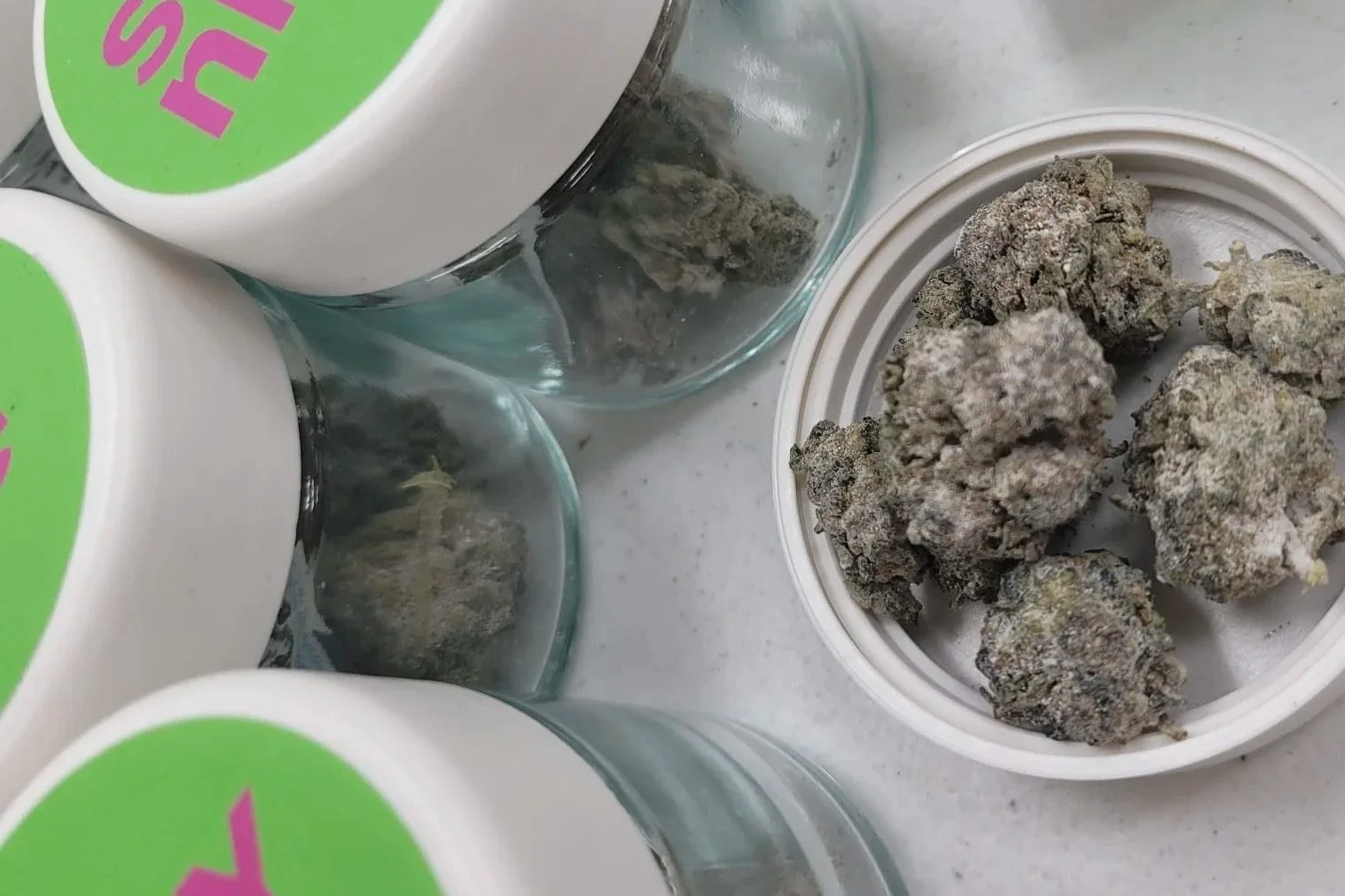
Packaging rarely receives the attention it deserves in cannabis conversations. Consumers often focus on strain names, THC percentages, or flavor descriptions while overlooking the container that protects the product itself.
Yet packaging plays a critical role in preserving cannabis quality. The material surrounding the flower or concentrate determines how well it maintains freshness, aroma, terpene integrity, and overall character.
At Silly Nice, packaging decisions are treated as part of the production process rather than an afterthought. One of the most deliberate choices is the use of glass jars instead of plastic containers. That decision reflects two priorities: protecting the chemistry of the plant and reducing unnecessary environmental impact.
Cannabis Is Sensitive to Its Environment
Cannabis flower and concentrates are chemically complex. Terpenes, cannabinoids, and aromatic compounds all interact with air, light, and temperature. When these compounds degrade, the result is often noticeable.
A product that once carried bright citrus aroma may become muted. Flavor complexity can flatten. The overall experience may feel less expressive.
Packaging plays a major role in slowing that degradation.
Certain materials allow air exchange. Others interact with aromatic compounds. Over time, these interactions can quietly change the chemical profile of cannabis even when the THC percentage remains stable.
Protecting terpene integrity requires packaging that minimizes these risks.
Why Glass Protects Terpenes
Glass offers several advantages when it comes to preserving cannabis quality.
Non-Porous and Chemically Stable
Glass does not absorb or react with aromatic compounds. Terpenes remain inside the container rather than binding to the walls of the packaging material.
Plastic, by contrast, can absorb volatile aroma compounds. This is one reason cannabis stored in plastic containers sometimes loses its scent faster than cannabis stored in glass.
Reduced Air Exchange
A properly sealed glass jar limits oxygen exposure. This helps slow oxidation, which can gradually degrade cannabinoids and terpenes over time.
Flavor Preservation
Because glass is chemically inert, it does not introduce foreign odors or flavors. The product retains the aroma created during cultivation and extraction.
Long-Term Stability
Glass maintains structural stability over time and does not break down into microplastics or other particles that could potentially interact with the product.
These characteristics make glass one of the most reliable materials for preserving terpene-rich cannabis.
Aroma Is Often the First Indicator of Quality
Experienced cannabis consumers frequently evaluate flower by aroma before anything else. Opening a container should reveal the natural terpene expression of the plant.
Bright citrus, pine, tropical fruit, herbal spice, and floral notes all originate from terpene compounds. If these compounds degrade, the aroma becomes faint or flat.
Preserving aroma is not only about sensory enjoyment. It also reflects the overall health of the plant’s chemical profile.
When cannabis retains its aroma, it often indicates that the terpene structure remains largely intact.
Packaging that protects aroma therefore protects the broader experience.
Freshness Matters
Cannabis does not remain static after harvest. Even when stored properly, subtle chemical changes occur over time.
Exposure to oxygen and light gradually transforms cannabinoids and reduces terpene concentration. While these processes happen slowly, poor storage conditions can accelerate them.
Glass packaging helps slow these changes by creating a more stable storage environment.
When paired with small-batch production cycles, the result is cannabis that stays closer to its original terpene profile.
Freshness is often noticeable in both flavor and aroma.
Why Plastic Is So Common
Plastic containers dominate cannabis packaging in many markets for practical reasons.
They are lightweight, inexpensive, and easy to manufacture at large scale. These advantages make plastic appealing for mass production and large distribution systems.
However, the same characteristics that make plastic convenient can also make it less ideal for protecting terpene-rich cannabis.
Certain plastics are porous at a microscopic level and can allow gradual air exchange. Others can absorb aromatic compounds or allow terpene evaporation more easily than glass.
While plastic containers can still protect cannabis in the short term, they are not always the best option for preserving the full aromatic profile of terpene-forward products.
Responsible Packaging Beyond Product Protection
Packaging decisions also carry environmental consequences.
Cannabis regulations require child-resistant packaging and labeling, which can result in significant packaging waste across the industry. Single-use plastic containers are one of the largest contributors to that footprint.
Glass offers an opportunity to reduce long-term waste when produced responsibly.
Silly Nice uses recycled glass jars, which help reduce the need for newly manufactured raw materials. Recycled glass can be repurposed repeatedly without degrading its quality.
This circular material cycle allows glass to maintain durability while reducing environmental impact.
Reducing Plastic Waste Where Possible
While some packaging components still require plastic for safety and regulatory compliance, responsible material choices can reduce overall waste.
Silly Nice incorporates ocean-bound plastic lids, which use recovered plastic that might otherwise enter marine environments. This approach helps redirect existing plastic waste into a controlled reuse cycle rather than introducing new plastic into the ecosystem.
Combined with recycled glass containers and hemp-based packaging materials, these choices reflect a broader effort to reduce unnecessary environmental impact without compromising product integrity.
Packaging becomes part of the responsibility that comes with producing cannabis.
Protecting the Plant’s Original Character
Cannabis expresses itself through its chemical complexity. Terpenes, cannabinoids, and aromatic compounds work together to create the plant’s flavor, aroma, and overall experience.
Packaging should protect that chemistry rather than interfere with it.
Glass containers help maintain the original character of the plant by preserving terpene integrity and reducing exposure to environmental factors that accelerate degradation.
When cannabis retains its aroma and flavor, consumers experience the product closer to the way it was intended when it left the production facility.
That preservation matters for anyone who values the craft behind cannabis cultivation and extraction.
Transparency Helps Consumers Make Informed Decisions
Understanding cannabis quality involves more than packaging. Laboratory testing provides additional insight into the chemical composition of each product batch.
Certificates of Analysis show cannabinoid levels, terpene profiles, and safety testing results. Reviewing these reports allows consumers to see exactly what is present in the product they are purchasing.
Updated product information and COAs can be found at:
Consumers can also view verified availability through the official Silly Nice brand page on Weedmaps.
Packaging Is Part of Craft Cannabis
In craft industries such as coffee, wine, and specialty foods, packaging often reflects the care taken during production. The container protects freshness, preserves flavor, and signals the values of the brand.
Cannabis is no different.
Glass jars offer a practical way to protect terpene integrity while reducing reliance on disposable plastics. Combined with small-batch production and transparent lab testing, packaging becomes part of a broader philosophy centered on quality and responsibility.
Protecting the plant’s chemistry ultimately protects the consumer’s experience.