
Why Responsible Cannabis Packaging Matters
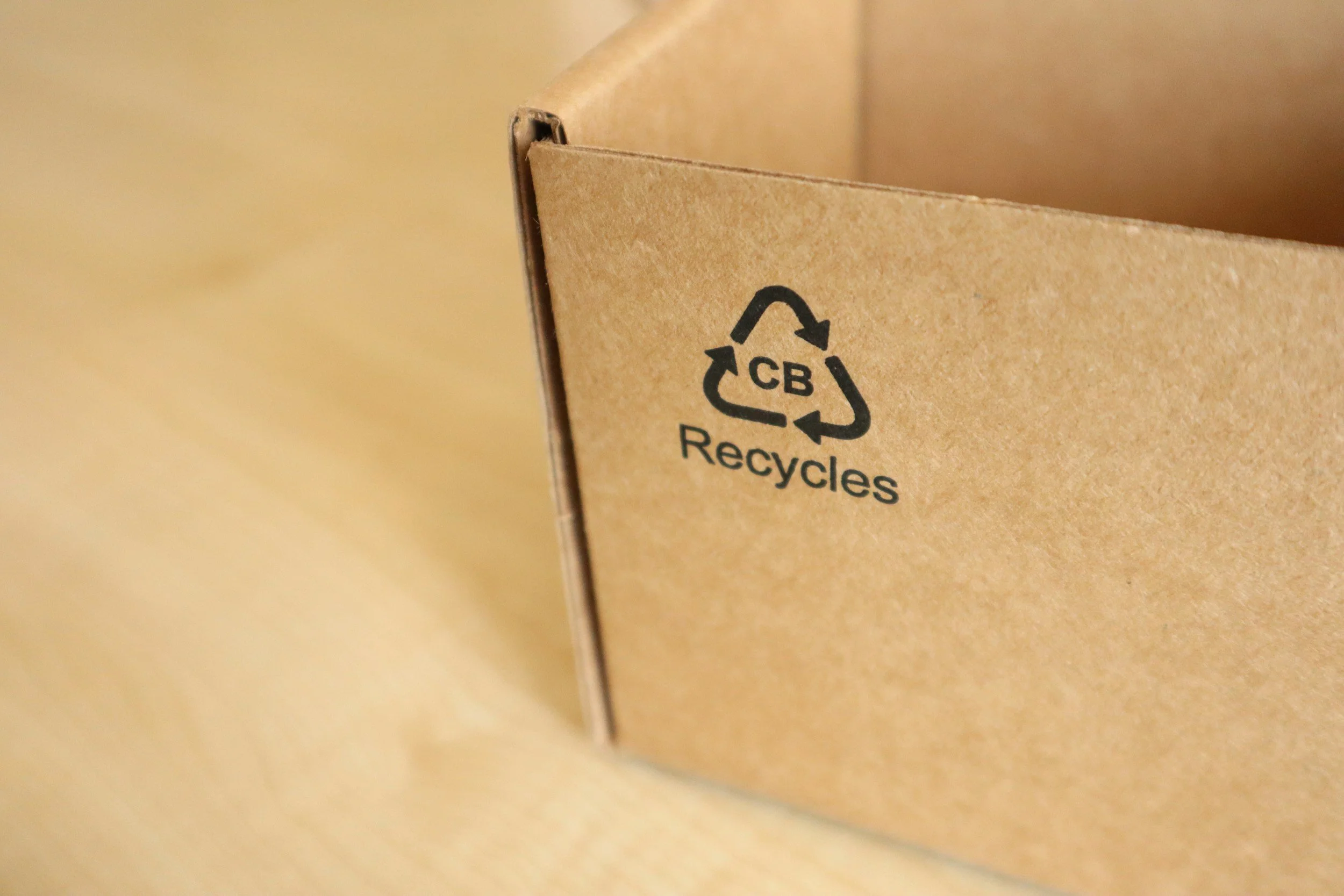
Packaging is one of the least discussed aspects of cannabis production, yet it influences several critical factors at once. The container surrounding a cannabis product protects freshness, preserves terpene integrity, ensures safety compliance, and ultimately shapes the environmental footprint of the industry.
As legal cannabis markets continue to grow, packaging has become an important area of innovation. Regulations require secure containers, clear labeling, and child-resistant designs. These protections help ensure responsible distribution and consumer safety.
At the same time, these requirements can produce large volumes of packaging material. This makes material choice an important consideration for any cannabis brand focused on long-term responsibility.
Responsible packaging involves balancing three priorities: product protection, regulatory compliance, and environmental awareness.
The Role Packaging Plays in Cannabis Quality
Cannabis products are chemically sensitive. Terpenes and cannabinoids respond to environmental factors such as oxygen exposure, temperature changes, and light.
Packaging acts as the first layer of defense against these conditions.
Effective packaging helps maintain:
terpene aroma and flavor
cannabinoid stability
product freshness
contamination protection
If cannabis is exposed to excessive air or poor storage materials, terpenes can evaporate and the flavor profile can become muted. Even when cannabinoid potency remains relatively stable, the experience can feel less expressive.
Packaging materials that preserve the plant’s chemistry help maintain the quality consumers expect.
The Environmental Impact of Cannabis Packaging
The legal cannabis industry operates under strict safety standards. Child-resistant closures and tamper-evident packaging are essential for responsible distribution.
However, these regulations often require multiple layers of packaging materials. Containers, boxes, seals, and labels can add up quickly across millions of products sold each year.
Many early cannabis markets relied heavily on disposable plastic containers because they were inexpensive and easy to produce. While plastic offers durability and convenience, large quantities of single-use plastic can contribute to environmental waste.
As the industry matures, more producers are exploring alternative materials that reduce environmental impact without compromising safety or product protection.
Responsible packaging choices can help reduce this footprint over time.
Glass as a Protective Storage Material
Glass containers provide a stable environment for cannabis products. Unlike many plastics, glass is non-porous and chemically inert. This means it does not absorb the aromatic compounds responsible for cannabis flavor and scent.
Because glass does not interact with terpenes, it helps preserve the plant’s natural aroma.
Glass containers also provide strong barriers against oxygen exchange when properly sealed. This helps slow the oxidation process that gradually affects cannabinoids and aromatic compounds.
Another advantage of glass is its recyclability. Glass can be recycled repeatedly without losing structural integrity, making it one of the more sustainable packaging materials available.
When produced using recycled glass, containers can help reduce the demand for newly manufactured raw materials.
Renewable Materials in Cannabis Packaging
Responsible packaging also involves exploring renewable material sources. Renewable materials are those that can be replenished through agricultural cycles rather than extracted from limited natural resources.
Hemp fiber is one example of a renewable material increasingly used in packaging applications.
Hemp grows quickly and produces strong natural fibers that can be processed into paper-like materials suitable for boxes and labels. Because hemp regenerates rapidly and requires relatively few chemical inputs, it offers a sustainable alternative to traditional paper pulp derived from trees.
Incorporating hemp-based packaging helps reduce reliance on resource-intensive manufacturing while supporting agricultural materials connected to the cannabis plant family.
Repurposing Existing Plastic Waste
While reducing plastic use remains an important goal, certain components of cannabis packaging still require durable materials to meet regulatory safety standards.
Child-resistant closures and secure seals often rely on strong plastic materials.
Using recovered plastic can help reduce the environmental impact associated with producing entirely new plastic. Ocean-bound plastic, for example, is collected from areas at risk of contributing waste to marine ecosystems. Once recovered, the plastic can be cleaned and processed into usable manufacturing materials.
Repurposing this waste allows packaging components to be produced using existing plastic rather than introducing new material into the environment.
This approach helps reduce plastic pollution while maintaining compliance with safety requirements.
Packaging and Consumer Trust
Packaging also plays a role in consumer confidence. Clear labeling and secure containers provide reassurance that the product has been handled responsibly throughout the supply chain.
Responsible packaging typically includes:
accurate labeling
batch identification
tamper-evident features
child-resistant closures
These features protect both consumers and retailers by ensuring that products meet legal safety standards.
When packaging reflects thoughtful design and responsible materials, it signals that the producer values transparency and accountability.
Transparency Through Laboratory Testing
Responsible cannabis production goes beyond packaging materials. Laboratory testing provides additional assurance that products meet safety and quality standards.
Independent laboratories analyze each batch of cannabis products to verify cannabinoid levels, terpene content, and contaminant screening results.
These reports are known as Certificates of Analysis.
COAs provide detailed insight into the chemical composition of each product, allowing consumers to review potency, terpene profiles, and safety verification before purchasing.
Updated product information and Certificates of Analysis can be viewed at:
Consumers can also explore verified retail availability through the official Silly Nice brand page on Weedmaps.
Transparency through testing helps reinforce the trust that responsible packaging and production practices aim to establish.
Building a More Responsible Cannabis Industry
The cannabis industry continues to evolve as legalization expands and production methods mature. Alongside cultivation and extraction practices, packaging is becoming an important part of the conversation about sustainability.
Responsible packaging choices can reduce environmental impact while protecting the quality of cannabis products. Materials such as recycled glass, renewable hemp fiber, and recovered plastic help balance product protection with environmental awareness.
Each improvement represents a step toward a more sustainable system.
Cannabis is ultimately an agricultural product that depends on healthy ecosystems. Protecting the environment that supports the plant is part of protecting the plant itself.
Thoughtful packaging decisions help ensure that cannabis production remains aligned with the natural systems that make it possible.