
Why Glass Jars Protect Cannabis Better Than Plastic
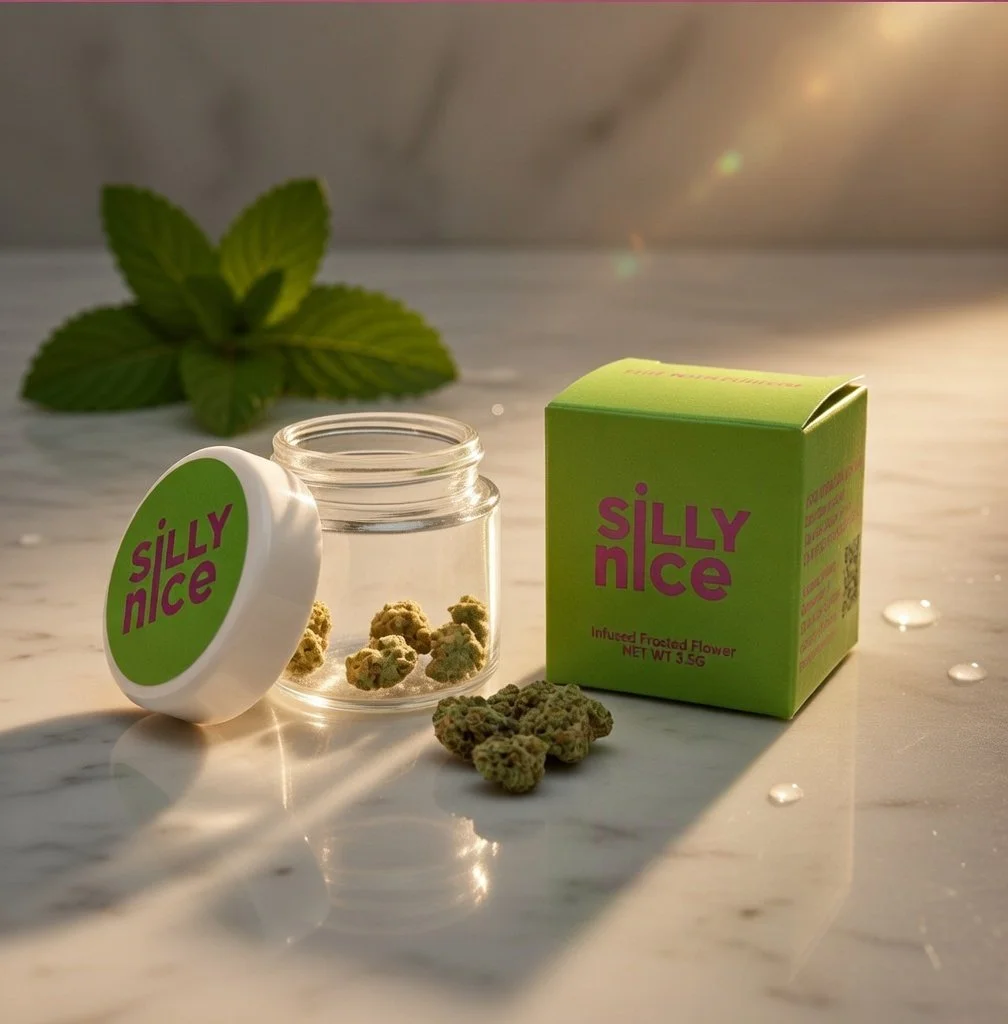
Packaging plays a quiet but critical role in cannabis quality. Once a plant has been cultivated, harvested, and cured, the chemistry that defines its aroma, flavor, and potency must be protected.
Terpenes are volatile compounds. Cannabinoids slowly degrade when exposed to oxygen, light, and heat. If cannabis is stored improperly, these compounds can dissipate or transform long before the product reaches the consumer.
Because of this, packaging is not simply a container. It is part of the preservation process.
Glass jars have long been considered the most reliable storage option for cannabis flower and concentrates. Their structural and chemical properties make them well suited to protect terpene integrity and cannabinoid stability.
Understanding why glass works so well requires looking closely at how cannabis chemistry interacts with its environment.
Terpenes Are Sensitive Compounds
Terpenes are aromatic molecules produced naturally by cannabis plants during the flowering stage. These compounds are responsible for the scent and flavor associated with different cultivars.
They also contribute to the overall chemical complexity of cannabis products.
Terpenes are highly volatile, which means they evaporate easily when exposed to air or heat. If cannabis is stored in containers that allow aroma molecules to escape, terpene concentration can decrease over time.
This evaporation changes the sensory profile of the product.
The bright citrus notes, floral aromas, or earthy complexity associated with certain cannabis cultivars can gradually fade if the storage environment is not stable.
Protecting terpene content requires packaging that minimizes interaction with oxygen and external contaminants.
Glass Is Chemically Inert
One of the most important reasons glass works well for cannabis storage is that it is chemically inert.
Chemically inert materials do not react with the compounds they contain. This means cannabinoids and terpenes remain stable inside the container without interacting with the packaging itself.
Some plastics can absorb aromatic compounds over time. When this happens, terpenes migrate into the plastic material rather than remaining within the cannabis product.
This process can alter the flavor profile of cannabis stored for extended periods.
Glass does not absorb these aromatic molecules. The container acts as a neutral barrier that protects the chemical composition of the product.
Because of this property, glass is widely used in industries where aroma preservation matters, including food, beverages, and fragrances.
Oxygen Exposure Influences Cannabinoid Stability
Cannabinoids slowly change when exposed to oxygen.
Over time, THC can oxidize and convert into other compounds. This process occurs gradually but can be accelerated when cannabis is exposed to excessive airflow.
Glass containers paired with tight-sealing lids reduce oxygen exposure. By limiting airflow, the packaging slows chemical changes that may alter cannabinoid composition.
Maintaining a stable internal environment helps preserve the potency and balance of cannabinoids present in the product.
The goal of responsible storage is not to stop chemical change entirely, but to slow it enough that the product maintains its intended character.
Structural Strength Protects the Product
Cannabis flower is delicate. Trichomes, the resin glands that hold cannabinoids and terpenes, can break off when flower is handled roughly.
Packaging that compresses or crushes the product may damage these resin glands.
Glass jars offer structural stability that helps protect cannabis during transportation and storage. The rigid container prevents external pressure from compressing the flower.
This structural support helps maintain the physical integrity of the plant material inside.
Protecting trichomes is essential because they contain the compounds responsible for potency and aroma.
When trichomes remain intact, the flower maintains its intended sensory characteristics.
Airtight Seals Preserve Aromatic Profiles
The effectiveness of glass storage also depends on the lid system used to seal the container.
A properly designed lid creates an airtight environment that helps reduce terpene evaporation.
When cannabis is stored in loosely sealed containers, volatile compounds can escape slowly over time. Even small gaps in packaging can allow aroma molecules to dissipate.
Glass jars paired with tightly fitted lids help maintain a stable internal environment.
This stability supports the preservation of terpene content and helps retain the aromatic identity of the cultivar.
For cannabis products that emphasize terpene expression, maintaining an airtight seal becomes especially important.
Recycled Glass Supports Environmental Responsibility
Glass also offers environmental benefits compared with many plastic alternatives.
Glass can be recycled repeatedly without losing its structural integrity. The recycling process melts the material and reshapes it into new containers without degrading its quality.
Using recycled glass reduces the need for new raw materials and helps lower environmental impact.
Responsible packaging choices help reduce waste within the broader supply chain.
As consumer awareness around sustainability grows, packaging decisions increasingly reflect both product preservation and environmental responsibility.
Glass provides an opportunity to address both concerns simultaneously.
Storage Conditions Still Matter
Even the best packaging cannot fully protect cannabis if storage conditions are poor.
Cannabis should ideally be stored in environments that avoid excessive heat, direct sunlight, and large temperature fluctuations. These factors can accelerate terpene evaporation and cannabinoid degradation.
Dark storage environments help protect light-sensitive compounds.
Stable temperatures reduce chemical changes that may affect the product over time.
Glass packaging works most effectively when combined with responsible storage practices.
Together, these elements help maintain cannabis quality from production through consumption.
Transparency Through Laboratory Data
Packaging protects cannabis chemistry, but laboratory testing provides visibility into what that chemistry contains.
Independent testing laboratories analyze cannabis products to measure cannabinoid potency, terpene composition, and contaminant screening results.
These findings are documented in Certificates of Analysis.
Consumers who want to review this information can access updated COAs and product details at:
Verified product availability can also be explored through the official Silly Nice brand page on Weedmaps.
These resources allow consumers to view product data connected to specific production batches.
Packaging Is Part of the Craft
Cannabis quality is shaped by many stages: cultivation, harvest timing, curing, extraction, and storage.
Packaging represents the final step in protecting the work done throughout those earlier stages.
Glass jars provide structural stability, chemical neutrality, and reliable seals that help preserve terpene expression and cannabinoid balance.
By protecting the delicate compounds produced by the plant, glass packaging supports the long-term integrity of the product.
In cannabis, craftsmanship extends beyond cultivation. It continues through every step taken to preserve the plant’s chemistry until the moment the jar is opened.