
Why Glass Jars Are One of the Best Containers for Cannabis
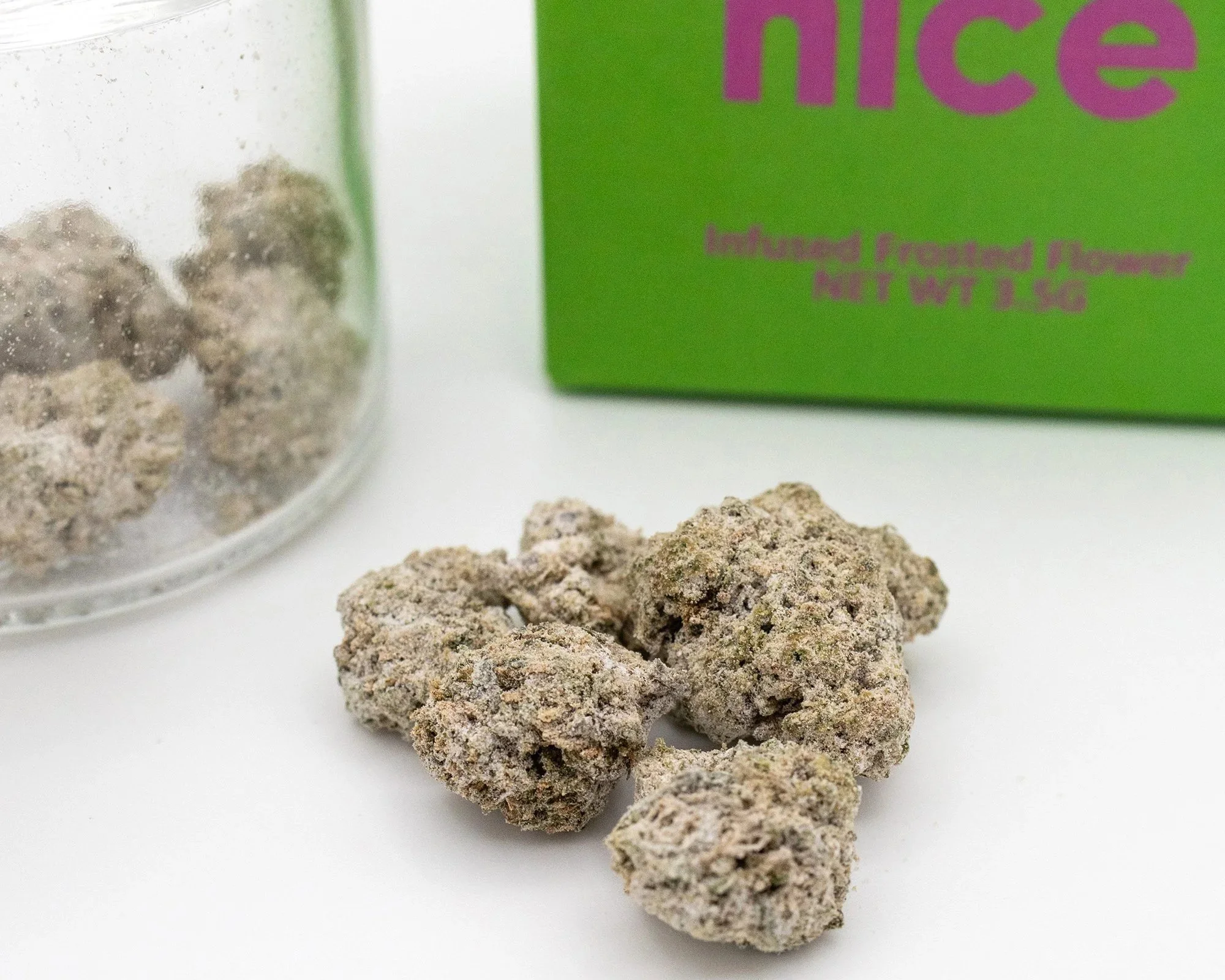
Packaging plays a larger role in cannabis quality than many consumers realize. After cultivation, harvesting, drying, and curing are complete, the container becomes responsible for protecting the plant’s chemistry.
Cannabis contains volatile aromatic compounds and sensitive cannabinoids that can change when exposed to oxygen, heat, light, or reactive materials. Because of this, the type of container used to store cannabis directly influences how well the product maintains its aroma, flavor, and chemical balance.
Among the various materials used in packaging, glass has long been considered one of the most reliable options for preserving cannabis quality.
Glass offers several advantages. It is chemically inert, non-porous, durable, and capable of maintaining a stable internal environment when paired with airtight lids.
These properties allow glass containers to protect terpene expression and maintain the freshness of cannabis products over time.
Cannabis Contains Volatile Aromatic Compounds
The aroma and flavor associated with cannabis come primarily from terpenes produced within the plant’s trichomes.
Terpenes are delicate molecules that evaporate easily when exposed to environmental stress.
Heat, oxygen, and airflow can gradually reduce terpene concentration. This process can alter the scent and flavor profile of cannabis over time.
Protecting these compounds requires packaging that limits environmental exposure.
A container that allows air circulation or interacts chemically with aromatic compounds can accelerate terpene loss.
Glass provides a stable barrier that helps slow this process.
By limiting environmental exposure, glass containers help maintain the chemical complexity created during cultivation and curing.
Glass Is Chemically Inert
One of the most important characteristics of glass is that it is chemically inert.
This means glass does not react with the compounds stored inside it.
Many aromatic molecules found in cannabis can interact with certain plastics or porous materials. These interactions may absorb scent molecules or allow them to escape gradually.
Glass does not absorb these compounds.
Because it remains chemically neutral, glass allows the terpene profile of cannabis to remain stable within the container.
This stability helps preserve the original aromatic character of the plant.
For products where aroma and terpene expression are central to the experience, this property becomes particularly valuable.
Non-Porous Materials Protect Terpene Content
Another advantage of glass is its non-porous structure.
Porous materials allow microscopic airflow and chemical exchange between the container and the surrounding environment.
Glass, by contrast, creates a solid barrier that helps isolate the contents from external conditions.
When cannabis is stored in a non-porous container, the volatile compounds inside the product remain trapped more effectively.
This containment helps preserve aroma intensity and flavor complexity.
Over time, this barrier can significantly influence how well the product retains its original chemical profile.
For terpene-rich cannabis, non-porous packaging plays a meaningful role in quality preservation.
Airtight Lids Reduce Oxygen Exposure
Even the most stable container requires a secure seal to function properly.
Airtight lids help reduce oxygen exposure inside the container.
Oxygen can slowly influence the chemical composition of cannabis compounds over time. While this process happens gradually, reducing oxygen exposure helps slow these changes.
When a glass jar is paired with a well-designed lid, the container becomes an effective barrier against airflow.
This environment helps stabilize the cannabis inside.
Limiting oxygen exposure also helps maintain terpene levels, which are more sensitive to environmental change than many other plant compounds.
Glass Helps Maintain Freshness
Freshness is an important component of cannabis quality.
Over time, environmental exposure can gradually influence cannabinoid balance and terpene expression.
Packaging that maintains a stable internal environment helps slow this process.
Glass containers paired with airtight lids help maintain consistent humidity levels and reduce exposure to environmental fluctuations.
This stability helps preserve the freshness of cannabis between production and consumption.
For consumers, freshness often becomes noticeable through aroma.
Products that maintain strong aromatic expression typically retain more of the terpene profile that developed during cultivation.
Glass Is Durable and Reusable
Beyond chemical stability, glass also offers practical advantages.
Glass containers are durable and capable of protecting cannabis from physical compression during transportation and storage.
Unlike thinner materials that may bend or collapse under pressure, glass maintains structural integrity.
This durability helps protect delicate cannabis flowers and concentrates from mechanical damage.
Glass containers are also reusable.
Many consumers repurpose glass jars for long-term storage, helping reduce waste compared to single-use packaging materials.
Reusability adds another dimension to the material’s practicality.
Sustainable Glass Production Supports Waste Reduction
Packaging decisions influence environmental impact as well as product preservation.
Glass can be manufactured from recycled materials, reducing the need for newly extracted raw resources.
Recycled glass can be melted and reformed repeatedly without losing structural integrity.
This property supports circular manufacturing systems that reduce landfill waste.
When recycled glass is used for packaging, it contributes to waste reduction while still providing the protective qualities required for cannabis storage.
Balancing product preservation with environmental responsibility has become an important consideration across many consumer industries, including cannabis.
Laboratory Testing Confirms Product Integrity
While packaging helps preserve the chemical profile of cannabis, independent laboratory testing confirms the composition of each batch before it reaches consumers.
Licensed laboratories analyze cannabis samples to measure cannabinoid potency, terpene content, and safety screening results.
These results are documented in Certificates of Analysis associated with specific production batches.
COAs provide transparency into the chemical makeup of cannabis products.
Consumers interested in reviewing these reports can access updated Certificates of Analysis and product information at:
Retail availability can also be explored through the official Silly Nice brand page on Weedmaps.
These resources allow consumers to review both laboratory data and product availability.
The Container Protects the Craft
Cannabis cultivation and processing require careful attention to preserve the plant’s chemical complexity.
Packaging becomes the final step in protecting that work.
Glass containers help maintain terpene expression, reduce oxygen exposure, and create a stable environment that supports freshness.
These qualities allow the cannabis inside the jar to retain more of the aromatic and chemical character developed during cultivation.
When packaging is chosen thoughtfully, it becomes part of the craft.
The container protects the plant, the chemistry, and the experience that follows when the jar is finally opened.