
Why Glass Is One of the Best Materials for Storing Cannabis
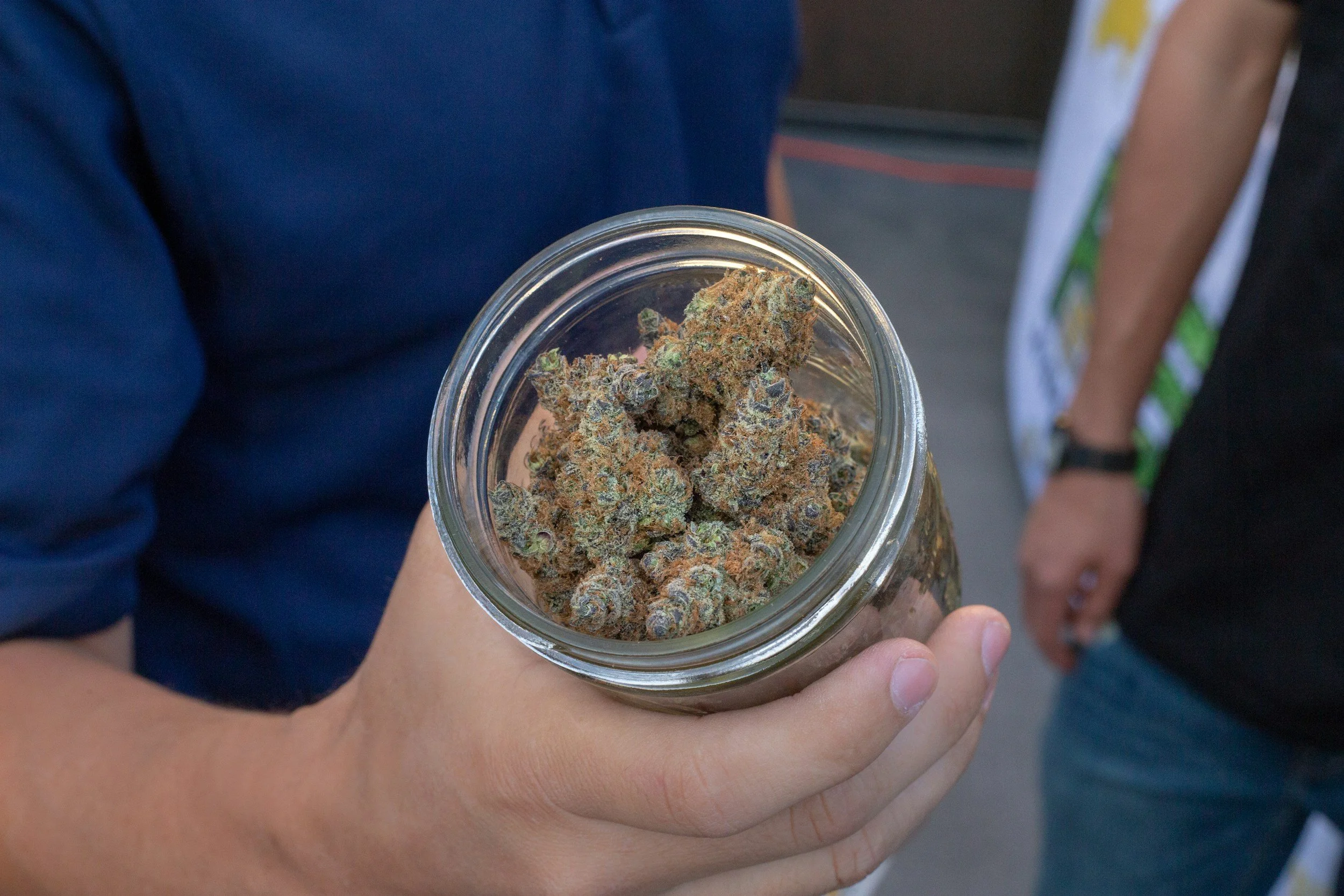
Cannabis quality depends on far more than cultivation techniques and cannabinoid percentages. Once the plant leaves the grow environment, the way it is stored becomes one of the most important factors influencing its long-term integrity.
Storage affects aroma, flavor, texture, and the stability of cannabinoids and terpenes. Even the best-grown cannabis can lose much of its character if it is stored improperly.
The material used for storage plays a central role in this process. Some materials allow oxygen exchange, others absorb aromatic compounds, and some may react chemically with the product they contain.
Glass has become widely recognized as one of the most reliable materials for cannabis storage because it helps protect the delicate chemistry that gives cannabis its distinctive qualities.
Cannabis Is a Sensitive Botanical Product
Cannabis contains hundreds of naturally occurring compounds. The most widely known include cannabinoids such as THC and CBD along with aromatic compounds known as terpenes.
These molecules are sensitive to environmental conditions. Exposure to oxygen, light, heat, and moisture can gradually alter the chemical profile of the plant.
For example, terpenes evaporate relatively easily because they are volatile aromatic molecules. Cannabinoids can oxidize over time when exposed to air and light.
These changes do not happen instantly, but they can slowly affect the flavor, aroma, and composition of cannabis products.
Proper storage helps slow these processes and maintain the plant’s natural balance.
The Problem With Some Packaging Materials
Not all storage materials perform equally well when it comes to preserving cannabis.
Certain plastics can absorb aromatic compounds over time. When this happens, terpenes may bind to the interior surface of the container rather than remaining in the product itself.
Some materials also allow small amounts of oxygen exchange, which can accelerate the oxidation of cannabinoids and the evaporation of terpenes.
In addition, certain materials may carry their own odors or residues that can influence the scent of cannabis stored inside them.
While plastics are often used because they are inexpensive and lightweight, they do not always provide the best environment for preserving terpene-rich cannabis products.
Glass Is Chemically Inert
One of the primary advantages of glass is that it is chemically inert.
This means glass does not interact with the compounds inside the container. It does not absorb terpenes, release odors, or react with cannabinoids.
Because glass is non-porous, the aromatic compounds that define cannabis flavor remain inside the product rather than binding to the packaging material.
This characteristic makes glass particularly valuable for storing terpene-rich cannabis flower and concentrates.
When cannabis is stored in glass, the chemistry of the plant remains more stable.
Protection Against Oxygen Exposure
Air exposure plays a significant role in how cannabis changes over time.
Oxygen contributes to the oxidation of cannabinoids and the gradual evaporation of terpenes. Containers that allow air exchange can accelerate these changes.
Glass containers with properly designed seals help reduce oxygen exposure. Airtight closures create a more stable internal environment where the chemical balance of cannabis can remain intact for longer periods.
Limiting oxygen exposure helps preserve both flavor and potency.
Maintaining Aroma and Flavor
Aroma is one of the clearest indicators of terpene integrity.
Opening a container of fresh cannabis should release an immediate burst of scent. Citrus, pine, floral, herbal, or earthy aromas often indicate a strong terpene profile.
When terpenes evaporate or degrade, cannabis tends to lose this aromatic complexity.
Glass containers help maintain these aromatic compounds by preventing them from escaping or binding to the container itself.
The result is a product that retains its original scent and flavor profile more effectively.
Light Protection and Secondary Packaging
While glass provides strong protection against chemical interaction and oxygen exchange, light exposure remains another factor to consider.
Ultraviolet light can gradually degrade cannabinoids and terpenes. For this reason, cannabis stored in glass containers is often placed inside secondary packaging such as boxes or protective sleeves.
These additional layers help shield the product from prolonged light exposure during distribution and retail display.
Combining glass containers with protective outer packaging creates a storage environment that protects cannabis chemistry from multiple environmental factors.
Durability and Environmental Responsibility
Glass also offers advantages from an environmental perspective.
Unlike many plastics, glass can be recycled repeatedly without losing its structural integrity. Recycled glass can be melted and reshaped into new containers without reducing its quality.
This recycling capability helps reduce reliance on newly produced materials and supports more responsible packaging systems.
Many packaging solutions now incorporate recycled glass combined with renewable materials such as hemp-based paper products and recovered plastic components.
These combinations help reduce environmental impact while maintaining product protection.
Responsible packaging choices are becoming increasingly important as the legal cannabis industry continues to expand.
The Role of Packaging in Craft Cannabis
Cannabis production involves several stages where quality can be preserved or lost.
Cultivation, harvesting, curing, and extraction all influence the final product. Packaging represents the last opportunity to protect the plant’s chemistry before it reaches consumers.
When packaging materials are chosen carefully, they help maintain terpene expression, cannabinoid stability, and product freshness.
Glass containers support this goal by providing a storage environment that protects cannabis from chemical interaction, oxygen exposure, and aromatic loss.
Rather than acting as a simple container, responsible packaging becomes part of the craftsmanship behind cannabis production.
Transparency Through Laboratory Testing
Modern cannabis markets rely on laboratory testing to verify product composition and safety.
Independent laboratories analyze cannabis products to measure cannabinoid concentrations, terpene profiles, and contaminant screening results.
These results are documented in Certificates of Analysis, which provide detailed information about each product batch.
COAs allow consumers to see the chemical composition associated with the cannabis they purchase.
Updated product information and Certificates of Analysis can be viewed at:
Consumers can also explore verified availability through the official Silly Nice brand page on Weedmaps.
Storage Matters for Cannabis Quality
Cannabis quality does not end with cultivation. How the product is stored and packaged plays a major role in preserving the plant’s natural characteristics.
Glass containers help protect terpene integrity, maintain cannabinoid stability, and prevent chemical interaction between the product and its packaging.
By creating a stable environment for cannabis storage, glass helps ensure that the aroma, flavor, and composition developed during cultivation remain intact.
When storage materials support the natural chemistry of the plant, cannabis can express its full character from harvest to consumption.