
Why Fresh Cannabis Matters More Than Most People Realize
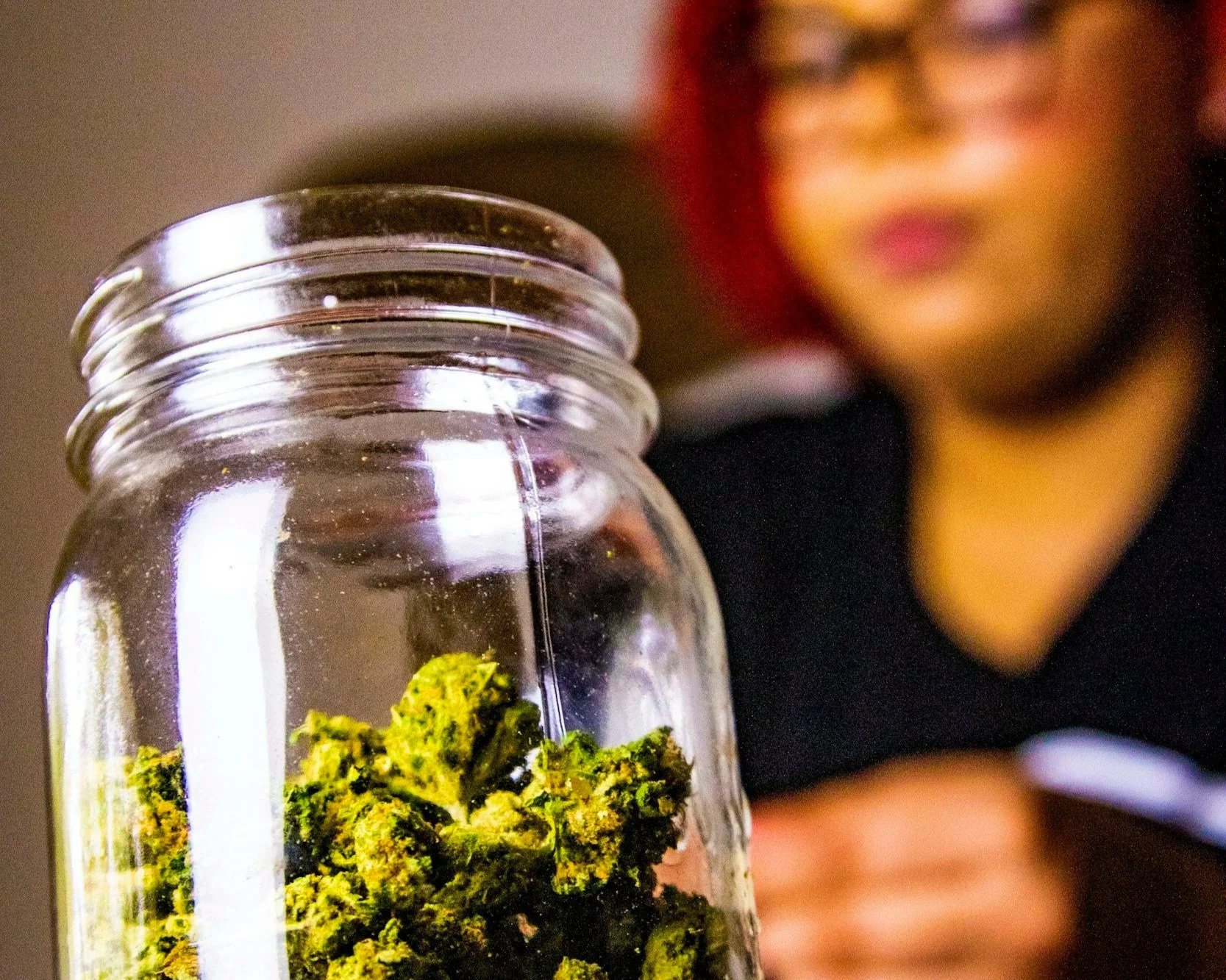
Cannabis is a plant, not a shelf-stable commodity. Like coffee beans, fresh herbs, or fine wine, the qualities that make cannabis enjoyable are closely tied to how it is grown, handled, and stored after harvest.
Flavor, aroma, and the overall character of cannabis depend heavily on the stability of its chemical compounds. These compounds evolve over time. Some changes are natural and gradual, while others occur more quickly when cannabis is exposed to unfavorable conditions.
Fresh cannabis tends to preserve the aromatic complexity and chemical balance that developed during cultivation. When handled carefully and consumed within a reasonable timeframe, the plant expresses its full terpene profile and cannabinoid structure.
Understanding why freshness matters helps consumers evaluate cannabis quality in ways that go beyond potency numbers printed on a label.
Cannabis Continues to Change After Harvest
Unlike manufactured products that remain chemically stable for long periods, cannabis continues to evolve after harvest.
Several processes occur naturally during storage:
terpenes slowly evaporate
cannabinoids gradually oxidize
aromatic compounds shift over time
These processes are influenced by environmental conditions such as temperature, oxygen exposure, humidity, and light.
When cannabis is stored properly, these changes occur slowly and the product retains much of its original character. When storage conditions are poor, the transformation can accelerate, resulting in diminished flavor and aroma.
Fresh cannabis reflects the plant closer to the moment it left cultivation.
Terpenes Are Especially Sensitive
Terpenes are responsible for the scent and flavor of cannabis. They create the citrus brightness, pine forest aromas, tropical fruit notes, and earthy spice that make each cultivar unique.
These compounds are volatile, meaning they evaporate easily.
Exposure to oxygen, heat, and light can gradually reduce terpene concentrations. When terpenes dissipate, cannabis often loses much of its flavor complexity.
The difference between fresh cannabis and aged cannabis is often most noticeable through aroma. Opening a container of terpene-rich flower should release a strong and recognizable scent.
Muted aroma can indicate that terpene levels have declined over time.
Preserving these compounds is one of the most important aspects of maintaining cannabis quality.
Cannabinoid Stability Over Time
While terpenes evaporate relatively quickly, cannabinoids evolve through slower chemical processes.
One example is the gradual transformation of THC. Over extended periods, THC can oxidize into another cannabinoid known as CBN.
This transformation does not necessarily make cannabis unusable, but it can alter the overall experience.
Fresh cannabis tends to reflect the original cannabinoid balance created during cultivation. As time passes, the chemical profile may shift slightly depending on storage conditions.
Maintaining freshness helps preserve the intended relationship between cannabinoids and terpenes.
The Importance of Proper Storage
Storage conditions play a major role in how well cannabis maintains its quality over time.
Several environmental factors influence freshness.
Oxygen Exposure
Air accelerates oxidation of both terpenes and cannabinoids. Containers that allow excessive airflow can speed up chemical changes.
Light
Ultraviolet light can degrade cannabinoids and terpenes. Protecting cannabis from prolonged light exposure helps maintain chemical stability.
Temperature
Higher temperatures increase terpene evaporation. Cooler storage environments help slow this process.
Humidity
Humidity levels influence the stability of the flower itself. Excess moisture can promote microbial growth, while extremely dry conditions can cause cannabis to lose texture and aroma.
Careful storage helps slow the natural processes that change cannabis chemistry over time.
Why Packaging Matters
Packaging materials influence how well cannabis maintains freshness.
Glass containers provide several advantages for preserving terpene-rich products. Because glass is non-porous and chemically inert, it does not absorb aromatic compounds or interact with cannabinoids.
Properly sealed glass containers also reduce oxygen exchange, helping to protect the plant’s chemical balance.
Packaging materials that shield cannabis from light and maintain a stable internal environment help preserve the original qualities developed during cultivation and processing.
The container surrounding the product can have a measurable impact on how long cannabis retains its flavor and aroma.
Freshness and Small-Batch Production
Production scale can also affect freshness.
Large-scale production systems may involve extended storage periods between harvest, processing, distribution, and retail sale. During this time, natural chemical changes continue to occur.
Small-batch production often reduces the time between manufacturing and retail availability. Shorter timelines help preserve terpene concentrations and maintain the original chemical balance of the plant.
When cannabis moves more quickly from production to consumer use, the resulting experience often reflects the plant’s original character more closely.
Freshness becomes easier to maintain when production cycles remain controlled and intentional.
Aroma as a Freshness Indicator
Experienced cannabis consumers often rely on aroma as a quick indicator of freshness.
Opening a container of terpene-rich cannabis should release an immediate and recognizable scent. Bright citrus, pine, floral, or herbal notes often signal that the plant’s aromatic compounds remain intact.
When cannabis loses its aroma, the flavor profile typically follows.
While potency levels may remain relatively stable, the sensory experience becomes less expressive.
Aroma provides one of the simplest ways to evaluate whether cannabis has retained its terpene integrity.
Transparency Through Laboratory Testing
Laboratory testing provides another way to understand cannabis composition.
Independent labs analyze products to measure cannabinoid levels, terpene concentrations, and safety factors such as contaminants or microbial presence.
These results are documented in Certificates of Analysis.
COAs allow consumers to see the chemical profile associated with a specific batch of cannabis. Reviewing terpene and cannabinoid levels helps provide context for the aroma and flavor experienced during use.
Updated product information and Certificates of Analysis can be viewed at:
Consumers can also explore verified retail availability through the official Silly Nice brand page on Weedmaps.
Fresh Cannabis Reflects the Plant’s True Character
The cannabis plant produces a wide range of chemical compounds that contribute to its aroma, flavor, and overall experience. Preserving these compounds requires careful attention during cultivation, processing, packaging, and storage.
Fresh cannabis maintains the terpene richness and cannabinoid balance that define each cultivar. Over time, these compounds gradually change as part of the plant’s natural chemistry.
Understanding the importance of freshness allows consumers to appreciate cannabis for what it is: a living agricultural product whose quality depends on how well its natural characteristics are preserved.
When freshness is treated as a priority, the plant can express its full complexity from cultivation to consumption.