
Why Craft Cannabis Brands Focus on Process, Not Just Potency
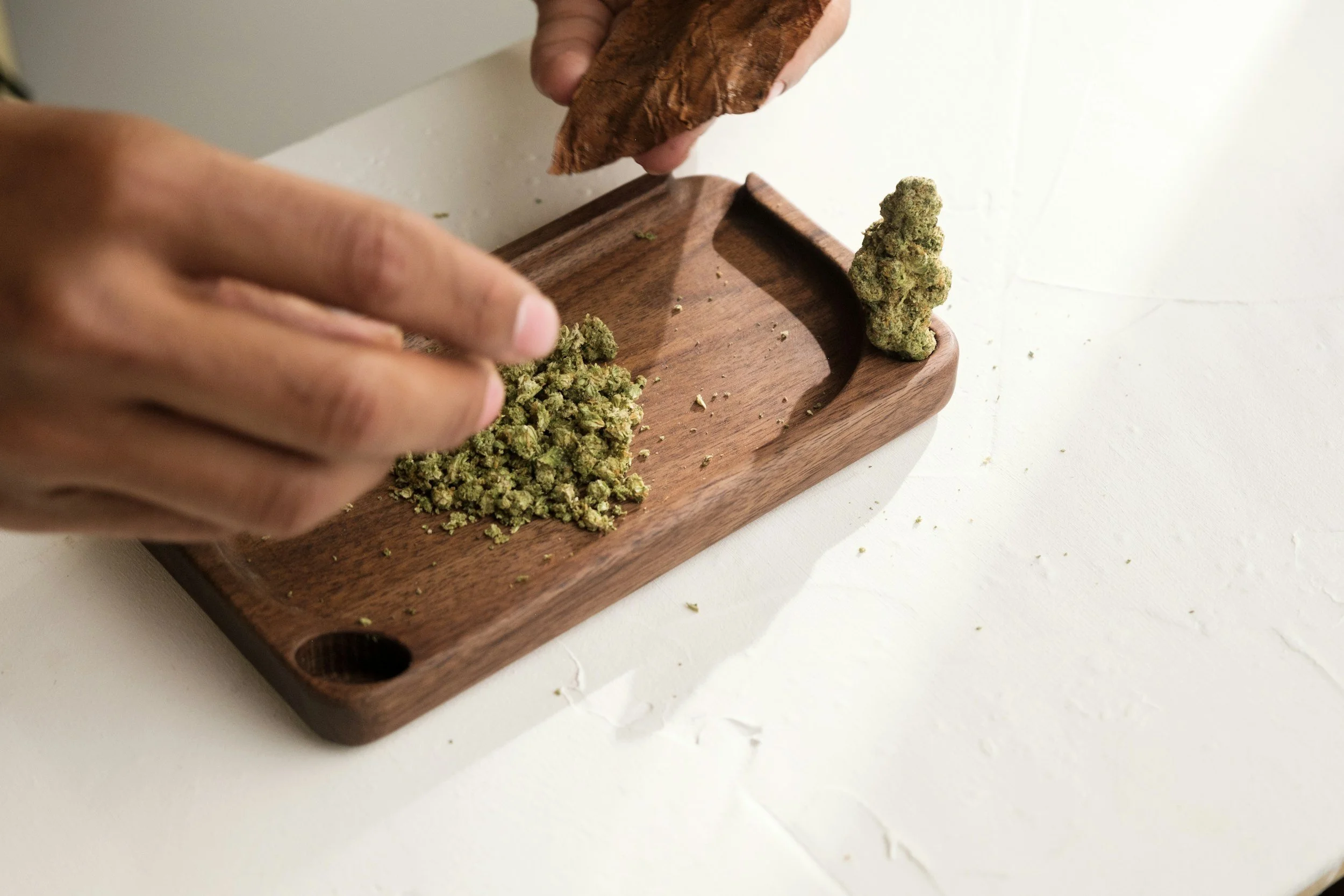
Cannabis menus and product labels often highlight THC percentages as the primary indicator of quality. While potency is one measurable component of cannabis chemistry, it does not fully explain why some products feel more expressive, aromatic, or balanced than others.
Craft cannabis producers tend to focus less on chasing the highest THC number and more on protecting the process that preserves the plant’s chemistry. This includes cultivation techniques, curing methods, extraction practices, packaging materials, and storage conditions.
The result is cannabis that retains terpene richness, cannabinoid balance, and the sensory complexity that defines high-quality flower and concentrates.
Understanding the philosophy behind craft cannabis production helps explain why process often matters more than raw potency alone.
Cannabis Is More Than a Single Number
THC is one of many cannabinoids produced by cannabis plants. It plays an important role in how cannabis interacts with the body, but it does not exist in isolation.
Cannabis also contains dozens of other cannabinoids and aromatic compounds known as terpenes.
Together, these compounds form the plant’s chemical profile.
Two cannabis products can display similar THC levels while producing noticeably different sensory experiences. The difference often lies in terpene composition, minor cannabinoids, and how well these compounds were preserved during cultivation and processing.
Craft cannabis focuses on protecting this broader chemical ecosystem.
Cultivation Practices Influence Chemical Expression
The process of producing cannabis begins with cultivation.
Environmental factors such as temperature, humidity, lighting conditions, and nutrient balance influence how cannabis plants develop their cannabinoid and terpene profiles.
Different cultivars produce different aromatic signatures depending on their genetic makeup and growing conditions.
Craft cultivation often involves close monitoring of plant health and environmental stability to encourage strong terpene development.
Rather than maximizing yield alone, craft cultivators often prioritize the conditions that allow plants to express their natural chemistry fully.
This attention to detail influences the quality of the final product.
Harvest Timing Matters
Harvest timing plays a significant role in determining cannabinoid and terpene composition.
Cannabis plants continue to develop resin glands throughout the flowering stage. Harvesting too early or too late can alter the chemical profile captured at the moment of harvest.
Experienced cultivators evaluate trichome maturity, aroma development, and plant structure before determining the optimal harvest window.
Capturing the plant at the right moment helps preserve both potency and aromatic complexity.
Craft cannabis production often emphasizes this careful timing rather than rushing harvest cycles.
The Importance of Proper Curing
After harvest, cannabis must undergo curing.
Curing allows moisture levels within the flower to stabilize gradually while encouraging slow chemical changes that enhance flavor and smoothness.
During this stage, cannabis is stored under controlled humidity and temperature conditions. Excess moisture dissipates while terpene compounds settle into a stable aromatic profile.
Proper curing takes time and careful monitoring.
If curing is rushed, cannabis may retain harshness or lose some of its aromatic complexity. Patient curing helps develop the rich aroma and smooth texture associated with well-produced cannabis.
Craft producers often treat curing as one of the most important stages in the entire production process.
Extraction Methods Reflect Production Philosophy
For cannabis concentrates, extraction methods also reflect the philosophy of craft production.
Different extraction techniques can influence terpene preservation and cannabinoid concentration.
Solventless methods such as ice water extraction rely on physical separation of trichomes rather than chemical solvents. These traditional techniques focus on isolating the resin glands that contain cannabinoids and terpenes.
Solvent-based extraction methods use controlled solvents to dissolve and isolate resin compounds from plant material.
Both approaches require careful temperature control and skilled processing to preserve terpene content.
Craft concentrate production emphasizes maintaining the natural chemistry of the plant throughout the extraction process.
Packaging Protects What the Process Created
Packaging represents the final stage in protecting cannabis quality.
Once a product leaves cultivation or extraction facilities, it may travel through distribution systems before reaching consumers. During this time, environmental exposure can influence terpene stability and cannabinoid composition.
Responsible packaging helps protect the plant’s chemistry during storage and transportation.
Glass containers are often used because they are chemically inert and non-porous. Unlike certain plastics, glass does not absorb aromatic compounds or interact with cannabinoids.
Properly sealed containers reduce oxygen exposure and help maintain terpene integrity.
When packaging supports the work done during cultivation and processing, the final product reaches consumers closer to its intended condition.
Freshness and Production Timing
Production timelines also influence cannabis quality.
When cannabis products spend extended periods in storage before reaching consumers, natural chemical changes may gradually reduce terpene intensity.
Craft production often focuses on smaller batches and shorter distribution cycles. Limiting production volume allows products to move through the supply chain more quickly.
Shorter timelines help preserve freshness and maintain the aromatic characteristics associated with the plant.
Fresh cannabis typically retains stronger scent, richer flavor, and more balanced chemistry.
Transparency Through Laboratory Testing
Modern cannabis markets rely on laboratory testing to verify product composition and safety.
Independent laboratories analyze cannabis products to measure cannabinoid potency, terpene content, and contaminant screening results. These findings are documented in Certificates of Analysis.
COAs provide consumers with detailed insight into the chemical profile associated with each batch of product.
Reviewing these reports allows consumers to evaluate potency levels, terpene composition, and overall product transparency.
Updated product information and Certificates of Analysis can be viewed at:
Consumers can also explore verified retail availability through the official Silly Nice brand page on Weedmaps.
Craft Cannabis Values Discipline and Preservation
Craft cannabis production places emphasis on preserving the natural qualities of the plant.
Cultivation practices, harvest timing, curing techniques, extraction methods, packaging materials, and storage conditions all contribute to maintaining terpene richness and cannabinoid balance.
Rather than focusing solely on potency numbers, craft producers prioritize the process that protects the plant’s chemistry.
When cannabis is treated as a complex agricultural product rather than a commodity defined by THC alone, the result is a product that reflects the full character of the plant.
Process, discipline, and attention to detail allow cannabis to express its true complexity.