
What to Eat on 4/20 in NYC: Real Food for Real Sessions
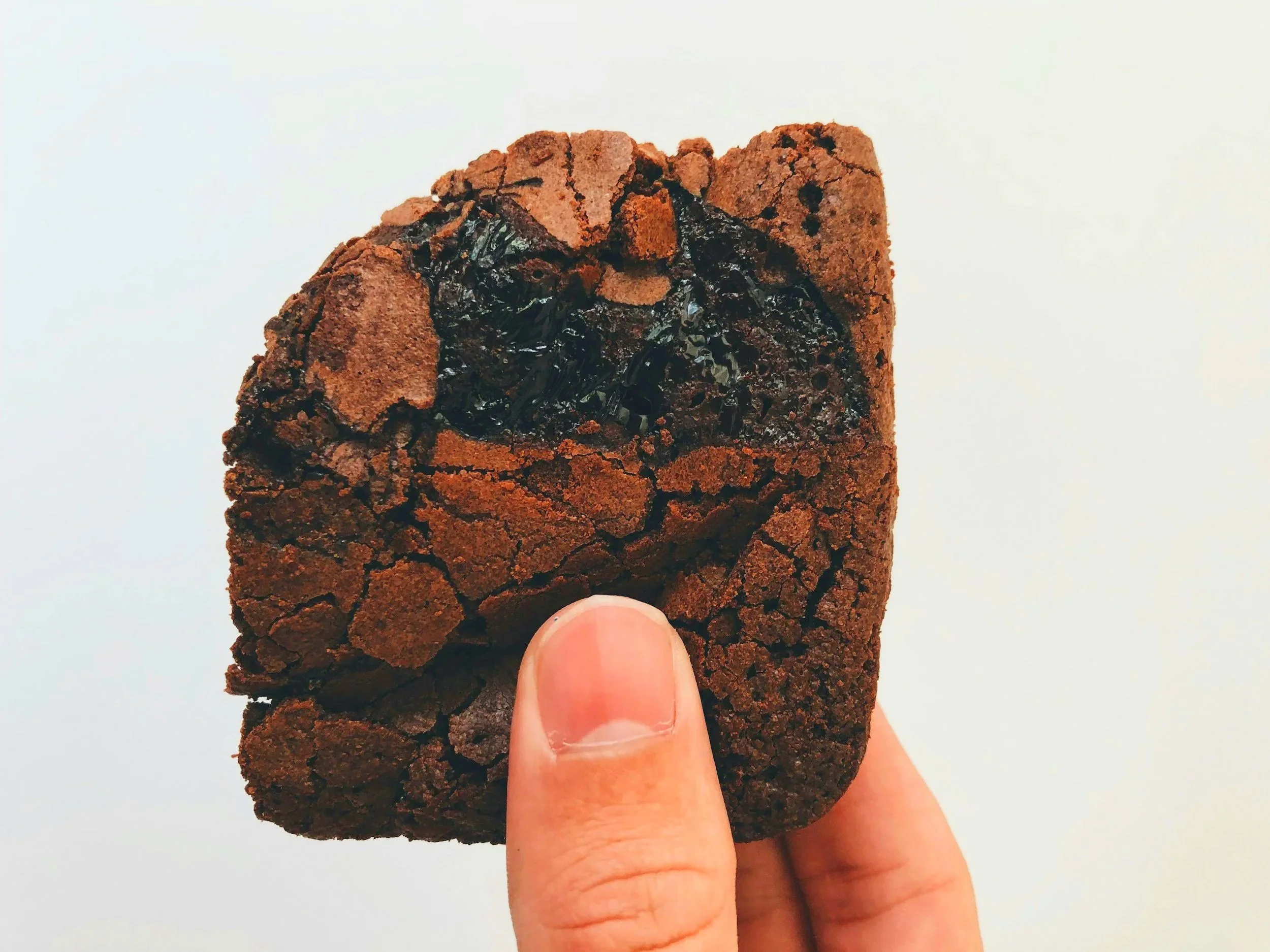
In New York, food determines how your 4/20 goes.
Not the strain. Not the location. Not the crowd.
Food.
The city moves fast, and cannabis amplifies everything. Without the right fuel, energy drops quickly. Focus fades. The experience turns uneven.
People who get 4/20 right in NYC treat food as part of the plan, not something they figure out later.
The Rule: Eat Before You Need It
Waiting until you are already hungry on 4/20 is a mistake.
By the time hunger hits, energy has already dipped. That creates a chain reaction:
Slower movement
Lower awareness
Poor decision-making
The smarter approach:
Eat early
Eat consistently
Keep it simple
Food should maintain the experience, not rescue it.
Morning: Light, Functional, and Clean
Starting the day with heavy food slows everything down.
Morning on 4/20 in NYC should be:
Light
Easy to digest
Paired with movement
Best choices:
Coffee and a simple pastry
Fruit or yogurt from a local shop
A quick breakfast sandwich that does not sit too heavy
The goal is clarity, not fullness.
Midday: The First Real Meal
By late morning into early afternoon, the body needs real fuel.
This is where New York shines.
Pizza: The Most Reliable Move
A slice works because it is:
Fast
Consistent
Easy to eat while moving
It does not interrupt the day. It supports it.
Halal Food: The Power Reset
Halal platters are one of the most effective 4/20 meals in NYC.
They provide:
Protein for sustained energy
Carbs that actually satisfy
Portions that keep you going for hours
This is the meal that prevents the afternoon crash.
Deli and Bodega Staples
Bodegas are essential on 4/20.
They offer:
Quick sandwiches
Chips and snacks
Drinks for hydration
More importantly, they are everywhere. You never have to go out of your way to reset.
Snacking Strategy: Stay Ahead of the Drop
Snacking is not optional. It is part of pacing.
Smart 4/20 snack choices:
Chips for quick energy
Chocolate or candy for a fast mood lift
Nuts or protein bars for balance
The key is frequency, not volume. Small resets keep everything stable.
Hydration Is Non-Negotiable
New York walking alone requires hydration. Add cannabis, and it becomes critical.
Without water:
Fatigue hits faster
Focus drops
The entire experience feels heavier
Best approach:
Carry water consistently
Supplement with juice or sports drinks
Use hydration as part of every stop
Afternoon: The Reset Meal
Between 3PM and 6PM, most people feel a drop.
Food is what fixes it.
This is not the time for something heavy. It is the time for something strategic:
A lighter sandwich
A quick plate that restores energy without slowing movement
Juice or something refreshing to reset
This meal determines how your night will feel.
Late Night: Keep It Simple
By nighttime, the goal is not to experiment.
Stick to what works:
Pizza again
Classic late-night spots
Simple comfort food
Heavy, complicated meals late can throw off the entire end of the day.
What Not to Do
Some food choices consistently ruin 4/20 experiences in NYC:
Overeating early and slowing down the day
Skipping meals and crashing mid-afternoon
Sitting too long in restaurants and breaking momentum
Ignoring hydration completely
Each one disrupts the flow.
Eating and Movement Go Together
The best 4/20 experiences in New York combine food with movement.
The pattern looks like:
Eat
Walk
Reset
Repeat
This keeps the body active and the mind clear.
Sitting too long after eating breaks that rhythm.
Borough Differences in Food Strategy
Each borough shapes how you approach food on 4/20:
Manhattan: Fast, efficient, built for quick stops
Brooklyn: More variety, slightly slower pace
Queens: Best for full meals and global food options
Harlem: Consistent, culture-driven comfort food
Understanding this helps you plan without overthinking.
Building the Right Food Flow
A strong 4/20 food plan in NYC looks like:
Light breakfast
Midday main meal
Consistent snacks
Afternoon reset meal
Simple late-night option
No overcomplication. No guesswork.
Final Perspective
Food is what keeps 4/20 in New York balanced.
It is not about chasing the best meal or trying something new. It is about choosing food that supports the pace of the day.
Those who treat food as part of the experience will move better, feel better, and stay present longer.
In New York, that makes all the difference.