
What Is Diamond Powder? Understanding One of the Purest Cannabis Concentrates
As New York’s legal cannabis market matures, consumers are becoming more curious about concentrates. Many experienced smokers who once relied solely on flower are exploring products that deliver stronger potency and more precise control.
Among the most searched concentrate categories today is THCa powder, sometimes referred to as diamond powder or THCa crystals. These concentrates represent one of the most refined forms of cannabis available in regulated markets.
For consumers searching for stronger cannabis products or exploring concentrates for the first time, understanding what diamond powder is and how it works helps clarify why this category has gained so much attention.
The Chemistry Behind Diamond Powder
To understand diamond powder, it helps to understand the role of THCa.
THCa, or tetrahydrocannabinolic acid, is the natural compound produced by cannabis plants. In its raw form, THCa is non-psychoactive. When heat is applied through smoking, vaping, or dabbing, THCa converts into THC through a process known as decarboxylation.
This transformation is what produces the psychoactive effects associated with cannabis.
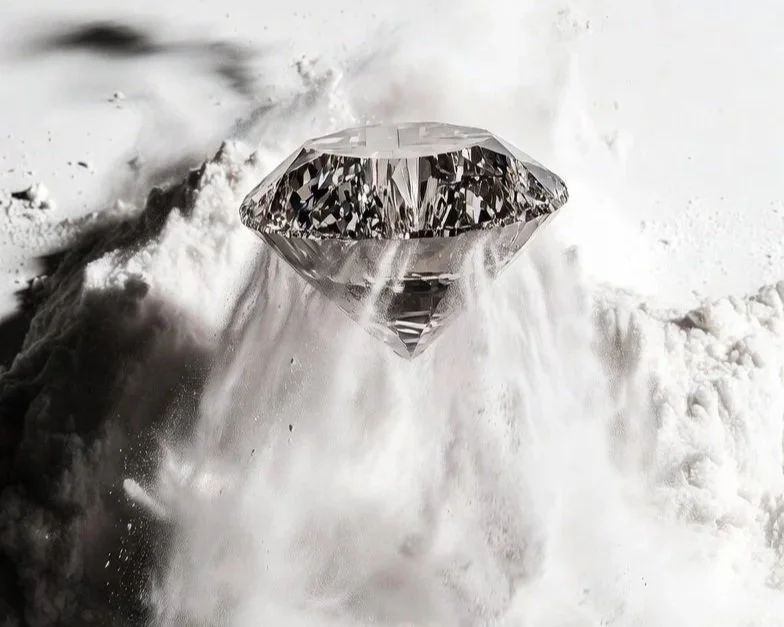
Diamond powder is essentially highly purified THCa crystals that have been separated from other plant compounds during the refinement process. Because most non-cannabinoid material is removed, the resulting product can reach extremely high cannabinoid concentrations.
This purity is why diamond powder is considered one of the most potent cannabis concentrates available.
How THCa Crystals Are Created
The process used to produce THCa crystals begins with cannabis extraction. While several methods exist, the goal remains the same: separate cannabinoids from plant material and allow them to crystallize into solid structures.
Over time, THCa molecules begin forming crystalline structures similar to sugar or salt crystals. These structures are then carefully isolated and refined into the final concentrate.
Depending on how the crystals are processed, they may appear as:
• large diamond-like chunks
• fine crystalline powder
• small crystalline grains
Diamond powder refers to the finely milled version of these crystals, which makes the product easier to measure and incorporate into different consumption methods.
Why Diamond Powder Is Known for Potency
Because diamond powder contains extremely concentrated cannabinoids, very small amounts can significantly increase potency.
Traditional cannabis flower typically ranges between 18 percent and 30 percent THC. In contrast, THCa crystalline concentrates can reach cannabinoid levels far beyond what flower can achieve.
This potency is the primary reason experienced cannabis consumers are drawn to the product. Rather than smoking larger amounts of flower, users can add small quantities of diamond powder to achieve the desired strength.
The result is a more controlled and efficient cannabis experience.
Why Precision Matters for Experienced Consumers
One of the biggest advantages of crystalline concentrates is precision.
Because the product is highly concentrated and finely milled, consumers can control dosage more easily than with many other concentrates.
A small sprinkle can elevate a bowl or joint. A slightly larger portion can create a much stronger session.
This flexibility allows experienced smokers to adjust intensity without dramatically changing the flavor or ritual of smoking.
For many consumers, that level of control is part of the appeal.
Common Ways People Use Diamond Powder
Diamond powder is versatile and can be incorporated into several different consumption methods.
Enhancing Flower
Many smokers add a light sprinkle of diamond powder to ground flower before packing a bowl or rolling a joint. This increases potency while preserving the familiar experience of smoking flower.
Infused Pre-Rolls
Some infused cannabis products use THCa crystals to increase potency and improve burn consistency.
Dabbing
Diamond powder can also be dabbed directly using appropriate concentrate equipment. This method produces strong vapor and rapid onset.
Edible Infusion
When decarboxylated properly, crystalline cannabinoids can also be incorporated into infused oils or edible preparations.
Each method allows consumers to tailor potency to their personal tolerance and preferences.
Why Flavor Still Matters
Although diamond powder is primarily valued for potency, the broader cannabis experience still depends heavily on terpenes.
Terpenes are aromatic compounds that influence flavor, aroma, and perceived effects. When consumers combine diamond powder with terpene-rich flower or concentrates, the result often produces a more balanced and flavorful session.
Many experienced cannabis users intentionally pair crystalline concentrates with terpene-forward flower to maintain complexity in the smoking experience.
This approach highlights the growing appreciation for cannabis chemistry rather than simple THC percentages.
How Lab Testing Ensures Product Transparency
New York’s regulated cannabis market requires extensive testing before products can reach dispensary shelves. Concentrates like diamond powder undergo laboratory analysis to confirm cannabinoid levels and verify safety.
These tests typically examine:
• THC potency
• total cannabinoid content
• terpene presence
• pesticide contamination
• heavy metals
• microbial safety
The results are documented in Certificates of Analysis, commonly known as COAs.
COAs allow consumers to review the exact chemical profile of the cannabis products they are considering. This level of transparency has become an important trust factor as the legal cannabis market continues to grow.
Readers interested in reviewing cannabinoid profiles, terpene data, and lab-tested product information can explore updated COAs at
https://sillynice.com/menu
Why Concentrates Are Growing in Popularity
The increasing interest in products like diamond powder reflects a broader trend across cannabis markets.
As consumers become more educated about cannabinoids and terpenes, they are exploring products that offer stronger potency, greater precision, and more refined experiences.
Concentrates allow the most active compounds of the cannabis plant to be isolated and used efficiently. For many experienced smokers, this approach offers a cleaner and more controlled experience compared with traditional flower alone.
At the same time, concentrates are often paired with terpene-rich flower to maintain the flavor and ritual that many cannabis enthusiasts appreciate.
Understanding the Role of Craft Cannabis
Not all concentrates are created equally. The quality of the starting material plays a major role in determining the final product.
Craft cannabis producers often emphasize:
• fresh harvest cycles
• terpene preservation
• small batch processing
• careful refinement
These principles help ensure that concentrates retain the natural character of the plant rather than simply maximizing potency.
For consumers who care about both strength and flavor, this attention to detail can significantly influence the overall experience.
Choosing the Right Concentrate Experience
Cannabis concentrates come in many forms, each offering different advantages.
Bubble hash highlights solventless craftsmanship and terpene preservation. Infused flower blends traditional smoking with elevated potency. Crystalline concentrates like diamond powder offer precision and strength.
Understanding how each category works allows consumers to choose products that align with their preferences and tolerance.
For those interested in reviewing cannabinoid breakdowns, terpene profiles, and full lab testing reports, updated product information can be found at
https://sillynice.com/menu
As New York’s cannabis market continues to evolve, products like diamond powder illustrate how modern cannabis innovation can deliver strength while still respecting the chemistry of the plant itself.