
Weed for People With Real Responsibilities
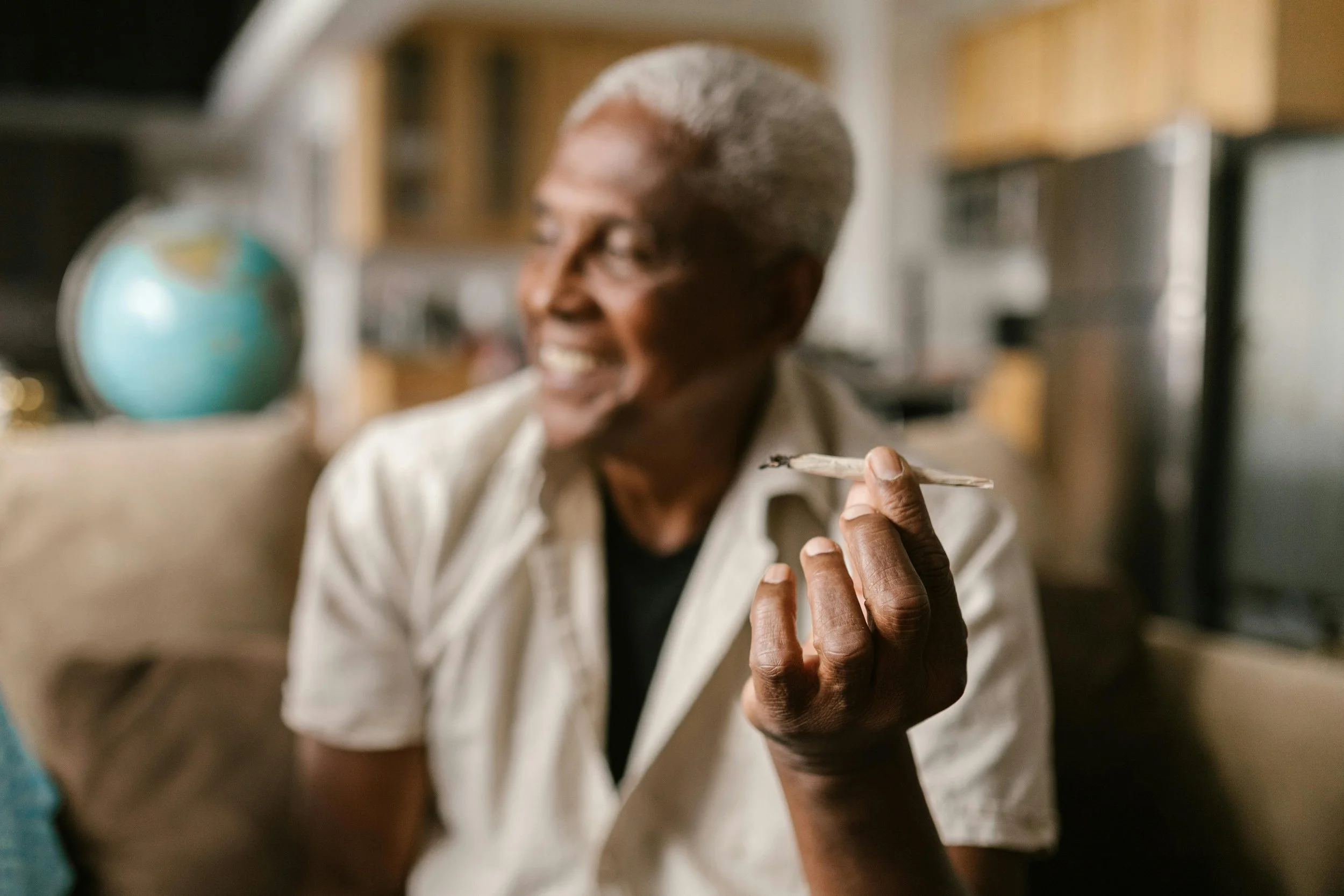
Cannabis culture often gets framed around extremes. Either it’s portrayed as a party accessory or as something that completely shuts you down. For a lot of adults, neither version feels accurate.
Most people using cannabis today aren’t trying to escape their lives. They’re trying to manage them.
They have jobs. Commutes. Families. Deadlines. Bodies that ache. Minds that don’t always shut off when they’re supposed to. They don’t have time for chaos or recovery days. They need cannabis to work with their lives, not against them.
That’s where a quieter, more functional relationship with weed begins.
Cannabis After the Day Is Done
For many New Yorkers, cannabis fits into a very specific window of time. After work. After the commute. After the emails stop coming in. After the noise finally drops a notch.
This isn’t about getting as high as possible. It’s about transition.
Cannabis helps people shift from the intensity of the day into something more manageable. It creates a buffer. A moment to breathe. A way to leave work at work.
The goal isn’t numbness. It’s decompression.
The Difference Between Relaxing and Checking Out
There’s a big difference between relaxing and checking out. Adults with responsibilities learn this quickly.
Relaxing means:
The body softens
The mind slows down
You’re still present
You can hold a conversation
You can get ready for tomorrow
Checking out means:
Losing focus entirely
Feeling foggy or disconnected
Struggling to re-engage
Waking up the next day feeling off
Most people want the first experience, not the second.
This is why product choice and dosage matter so much for functional use. Cannabis that feels clean, predictable, and measured supports relaxation. Cannabis that hits too hard or too fast can derail the evening.
Why Functional Cannabis Use Is About Control
Control is the thread that runs through responsible cannabis use.
People with real responsibilities tend to:
Use smaller amounts
Choose products that feel consistent
Pay attention to how long effects last
Avoid stacking multiple strong products
They don’t want surprises. They want reliability.
This is also why high-quality, high-potency cannabis often appeals to experienced users. When products are strong but well-made, people can use less and still get the desired effect. That efficiency matters.
Cannabis and Mental Load
One of the biggest reasons adults turn to cannabis is mental load. The constant low-level stress of modern life. The feeling of always needing to be “on.”
Cannabis can help interrupt that cycle. It can quiet background noise. It can make it easier to focus on one thing at a time. It can create space between thoughts instead of piling them on top of each other.
When used thoughtfully, cannabis doesn’t erase responsibility. It makes responsibility feel lighter.
Why Not All Weed Works for This
Not all cannabis is suited for functional use. Some products are designed to overwhelm. Others feel unbalanced or jittery. Some fade too quickly. Others linger longer than desired.
Adults with responsibilities tend to avoid:
Products that spike anxiety
Harsh or chaotic highs
Anything that feels unpredictable
They gravitate toward cannabis that feels supportive rather than demanding.
This is where experience plays a role. Over time, people learn which terpene profiles, formats, and potency levels work best for them. They stop experimenting blindly and start choosing intentionally.
Cannabis as a Boundary
For some people, cannabis helps create boundaries. Between work and home. Between stress and rest. Between obligation and personal time.
A small session can mark the end of the workday. It signals that it’s okay to slow down. That emails can wait. That the body deserves recovery.
This boundary-setting function is especially important in cities like New York, where work often bleeds into personal life. Cannabis becomes part of reclaiming time.
How Format Changes the Experience
The way cannabis is consumed matters as much as what’s being consumed.
Many adults prefer:
A small amount of flower instead of a full session
A controlled vape hit instead of a long smoke
A light enhancement rather than a full commitment
Vapes allow for precision. Concentrates allow for efficiency. Infused products allow for layered effects. Each format serves a different purpose.
Functional users often rotate formats depending on the moment. There’s no single “right” way—only what fits the situation.
Why Less Is Often More
One of the biggest shifts people experience as they get older is realizing they don’t need as much cannabis as they once did.
Smaller doses:
Reduce side effects
Preserve clarity
Make sleep easier
Prevent tolerance from escalating too quickly
This doesn’t mean cannabis becomes less enjoyable. In many cases, it becomes more enjoyable. People feel more in control. The experience feels intentional instead of accidental.
This approach also stretches product further, which matters when quality cannabis isn’t cheap.
Cannabis and Sleep Without the Fog
Sleep is one of the most common reasons adults use cannabis. But sleep-focused use requires restraint.
Too much THC can interfere with sleep cycles. It can make falling asleep harder or cause grogginess the next day. Smaller, measured doses often work better.
This is why people with responsibilities tend to experiment carefully with timing and amount. They want rest, not residue.
When cannabis supports sleep properly, the difference shows up the next day. Better mood. Better focus. Better patience.
Parenting, Caregiving, and Cannabis
Many adults using cannabis are also caregivers. Parents. Children of aging parents. Partners. Friends.
For them, cannabis isn’t about detaching. It’s about staying regulated. Managing stress so they can show up better for others.
This kind of use rarely gets talked about publicly, but it’s common. Cannabis helps people stay calm, patient, and present in emotionally demanding roles.
It’s another example of cannabis functioning as a support tool, not a distraction.
Why Silly Nice Resonates Here
Silly Nice wasn’t built for spectacle. It was built around lived experience with cannabis as part of daily life. That perspective shows up most clearly in how the products are meant to be used.
The brand emphasizes:
Small-batch production
Terpene-forward profiles
Potency that’s meant to be controlled
Formats that allow customization
This design philosophy aligns naturally with people who want cannabis to fit into their lives instead of disrupting them.
Silly Nice products aren’t about doing the most. They’re about doing what works.
Cannabis and Routine
Over time, functional cannabis use becomes part of routine. Not rigid, but familiar.
People know:
When to use it
How much to use
What kind of effect to expect
This familiarity reduces anxiety and increases enjoyment. Cannabis stops being a question mark and becomes a known quantity.
That’s when it really starts to feel useful.
Why Responsible Use Is Quiet
Responsible cannabis use doesn’t look dramatic. It doesn’t announce itself. It happens in kitchens, living rooms, bedrooms, and quiet moments.
People with responsibilities don’t broadcast their routines. They just maintain them.
This quiet use is one reason cannabis stigma is fading. As more adults integrate cannabis into stable, productive lives, the old stereotypes stop holding up.
Choosing Cannabis That Supports You
If you’re trying to build a functional relationship with cannabis, a few principles help:
Start with less than you think you need
Pay attention to onset and duration
Choose products that feel predictable
Avoid mixing multiple strong items
Give yourself time to learn what works
Cannabis should meet you where you are, not push you somewhere else.
The Long Game
Cannabis for people with real responsibilities isn’t about trends. It’s about longevity.
It’s about finding ways to manage stress without burning out. About resting without disconnecting. About enjoying relief without regret.
As the cannabis industry matures, this kind of use will become more visible. The loudest voices will fade. The most reliable products will remain.
In New York, where life demands resilience and balance, cannabis that supports responsibility instead of undermining it will always have a place.
That’s not a niche. That’s most people.