
The Small-Batch Advantage: Why Limited Volume Creates Better Cannabis
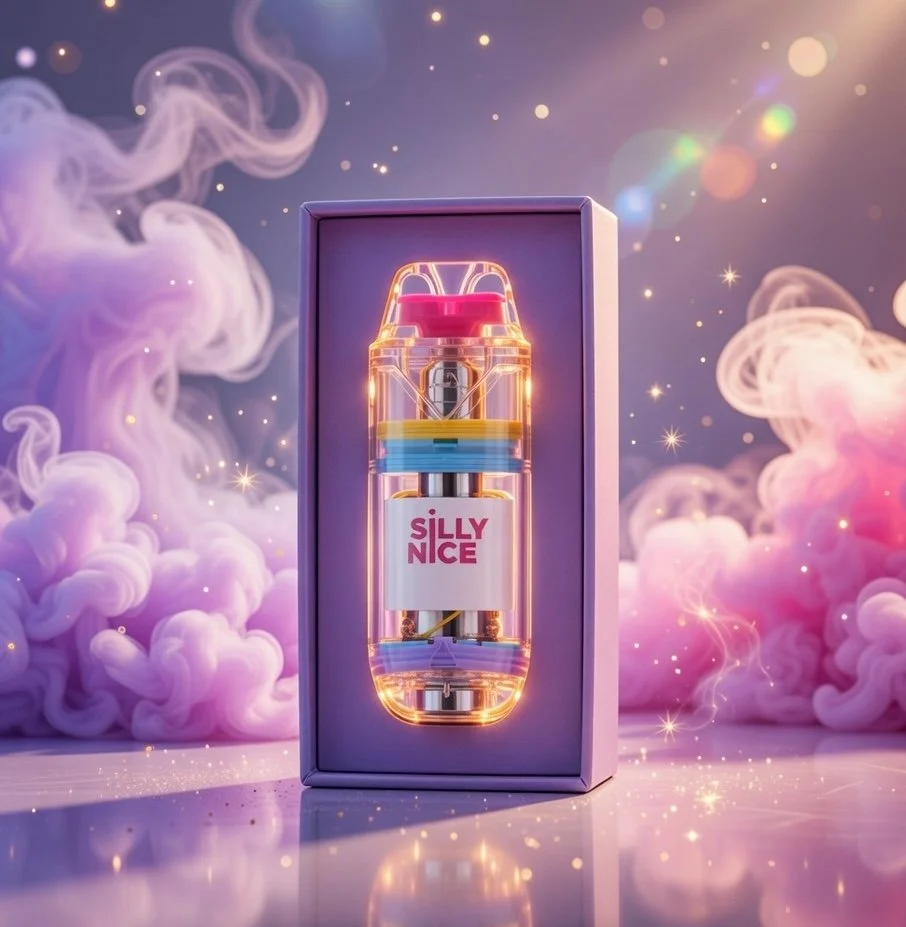
New York rewards scale.
Skyscrapers stretch higher each year. Restaurants expand into multiple boroughs. Brands chase distribution across every shelf they can reach.
Scale looks impressive.
But scale is not the same as quality.
In cannabis, scale often introduces compromise.
Silly Nice was built deliberately around small-batch production.
Not because it sounds exclusive.
Because it preserves control.
And control protects experience.
What Small-Batch Actually Means
Small-batch is not a slogan.
It is an operational limitation.
It means:
Limited volume per production cycle
Hands-on oversight at every stage
Slower curing timelines
Closer inspection of texture, aroma, and consistency
Immediate removal of substandard product
Large-scale operations rely heavily on automation and throughput.
Small-batch operations rely on observation.
Observation protects nuance.
Harlem: The Value of Attention
In Harlem, legacy businesses survive because someone is watching closely.
A tailor adjusts the hem personally. A chef tastes the sauce before serving. A barber lines up edges carefully.
Small-batch cannabis reflects that same attention.
When Bubble Hash is produced using ice-water extraction, each batch is monitored for melt quality and terpene preservation.
If the texture feels off, it does not move forward.
Volume pressure does not override judgment.
That discipline builds trust.
Brooklyn: Craft Over Quantity
Brooklyn consumers understand craft.
From coffee roasters to record presses, limited runs often produce better outcomes.
Infused Flower like Papaya Wine requires balance between live resin integration and flower integrity.
Too much infusion overwhelms terpene nuance.
Too little feels underpowered.
Small-batch production allows refinement.
Large-scale output risks uniformity at the expense of character.
Craft thrives in measured cycles.
Queens: Consistency Through Control
Queens values reliability.
Small-batch production reduces variability.
Each run is tested, documented, and evaluated.
Potency percentages are verified.
Terpene breakdowns are reviewed.
Certificates of Analysis are accessible at sillynice.com/menu.
In a market with over 500 licensed brands, predictability differentiates serious operators from casual entrants.
Consistency is easier to maintain at controlled volume.
The Bronx: Authentic Output
The Bronx recognizes authenticity immediately.
Small-batch cannabis retains personality.
Diamond Powder at 87.53% THC demands precise crystallization.
That level of refinement requires oversight.
Large production volumes increase the chance of uneven texture or impurity.
Limited runs protect uniformity.
Uniformity protects reputation.
Staten Island: The Test of Silence
In quieter environments, flaws stand out.
A dry bud cracks too easily.
A cartridge clogs.
A hash ball burns unevenly.
Small-batch production reduces the likelihood of unnoticed defects.
Each batch receives scrutiny before release.
Silence exposes shortcuts.
Small-batch minimizes them.
Terpene Preservation and Time
Terpenes degrade when rushed.
Proper curing requires patience.
Small-batch cycles allow controlled drying and resting periods.
Large-scale pressure often shortens these phases.
Shortened curing flattens aroma.
Flattened aroma reduces memory.
Memory builds loyalty.
Small-batch protects that chain.
Sustainability at Scale
Sustainable packaging choices are easier to maintain when growth is disciplined.
Recycled glass jars.
Ocean-bound plastic lids.
Hemp-based packaging materials.
These materials cost more and require consistent sourcing.
Rapid scaling sometimes sacrifices sustainability for cost reduction.
Measured growth preserves responsibility.
The Veteran Standard of Oversight
In structured environments, smaller units are easier to manage effectively.
Inspection becomes more precise.
Errors are corrected faster.
Cannabis production follows similar logic.
Smaller batches mean closer supervision.
Closer supervision reduces risk.
Risk reduction protects consumers.
Responsible Use Remains Central
High-quality cannabis still requires mature consumption.
Start low.
Wait before repeating.
Hydrate.
Avoid alcohol mixing.
Never drive under the influence.
Consume only where legally permitted.
Small-batch does not mean harmless.
Potency must be respected.
Education protects experience.
The 500+ Brand Landscape
In a crowded New York cannabis market, mass production may flood shelves temporarily.
But durability favors brands that maintain quality under pressure.
Small-batch production often leads to occasional sell-outs.
That is not a flaw.
It is a function of discipline.
Limited volume prevents oversaturation.
Oversaturation often reduces perceived value.
Consumer Influence
If you value cannabis crafted in controlled, limited production cycles, request Silly Nice by name at your licensed New York dispensary.
Retailers monitor demand carefully.
Informed consumers determine which production models survive.
Support for small-batch protects quality standards across the market.
Closing Reflection
Bigger is louder.
Smaller is often better.
Small-batch production preserves attention, nuance, and oversight.
Silly Nice was built for adults who appreciate discipline over excess.
Small-batch. Terpene-forward. Lab-tested. Sustainably packaged.
If you value cannabis shaped by observation rather than mass output, request Silly Nice by name at your licensed New York dispensary.
Review the Certificate of Analysis before purchasing.
In New York, what is made carefully often lasts longer than what is made quickly.
Choose accordingly.