
The Difference Between Solventless and Solvent-Based Cannabis Concentrates
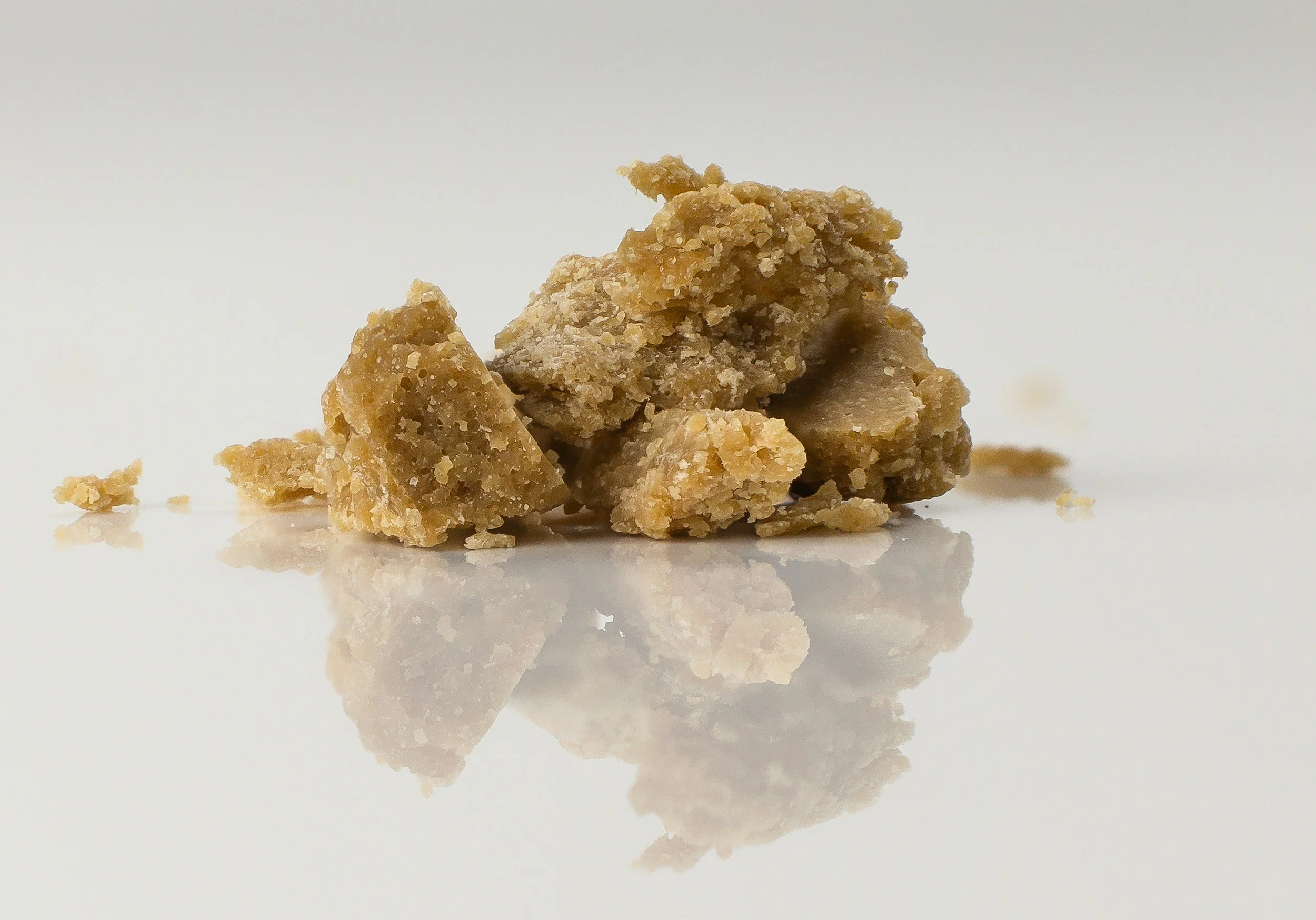
Cannabis concentrates have become one of the fastest-growing categories in the legal cannabis market. These products isolate and concentrate the most valuable compounds in the plant, including cannabinoids and terpenes.
Consumers often encounter two major categories when exploring concentrates: solventless and solvent-based.
Both methods are used to extract trichomes, the resin glands that contain cannabinoids and terpenes. However, the techniques used to separate those compounds from the plant material are fundamentally different.
Understanding how these extraction methods work helps consumers better evaluate concentrate quality and choose products that align with their preferences.
What Cannabis Concentrates Actually Are
Cannabis flower contains thousands of microscopic resin glands called trichomes.
These tiny structures produce the cannabinoids and terpenes that give cannabis its potency, aroma, and flavor. Concentrate production focuses on isolating these trichomes and collecting them into a more concentrated form.
By separating trichomes from the surrounding plant material, concentrates deliver higher concentrations of cannabinoids and terpenes than flower alone.
This process can be achieved through mechanical separation or through the use of solvents.
These two approaches define the difference between solventless and solvent-based concentrates.
What Solventless Extraction Means
Solventless concentrates are produced without the use of chemical solvents.
Instead, mechanical methods are used to separate trichomes from the cannabis plant. These techniques rely on temperature, pressure, water, or agitation to remove the resin glands.
Common solventless methods include:
ice water extraction
dry sifting
rosin pressing
These techniques physically separate trichomes while preserving much of the plant’s natural terpene profile.
Because no chemical solvents are involved, solventless concentrates are often associated with traditional hash-making techniques that have existed for centuries.
Many consumers value solventless products for their simplicity and their connection to historical cannabis processing methods.
Ice Water Extraction and Bubble Hash
One of the most widely known solventless techniques is ice water extraction, which produces bubble hash.
This process involves mixing cannabis with cold water and ice while gently agitating the material. The cold temperature causes trichomes to become brittle and separate from the plant.
The mixture is then filtered through specialized screens that capture trichomes while allowing water and plant particles to pass through.
The collected resin glands are dried carefully to produce bubble hash.
Because the process relies only on water, temperature, and filtration, bubble hash is considered a solventless concentrate.
This technique helps preserve the terpene profile of the original plant material.
Rosin Pressing
Rosin extraction is another solventless method.
In this process, cannabis flower or hash is placed between heated plates and pressed under controlled pressure. The heat and pressure cause resin to flow out of the plant material.
The extracted resin is then collected and cooled to produce rosin concentrate.
Rosin can be made from flower or from previously extracted hash. When hash is used as the starting material, the resulting product is often referred to as hash rosin.
This technique has become increasingly popular because it produces high-quality concentrates without chemical solvents.
What Solvent-Based Extraction Means
Solvent-based concentrates use chemical solvents to dissolve cannabinoids and terpenes from the cannabis plant.
Common solvents used in extraction include:
butane
propane
ethanol
carbon dioxide (CO₂)
These solvents interact with the plant material to dissolve resin compounds. The solvent is then removed through controlled evaporation processes, leaving behind concentrated cannabis oil.
When properly executed, solvent-based extraction can produce extremely pure concentrates with high cannabinoid potency.
The final product depends on both the solvent used and the processing technique.
Common Solvent-Based Concentrates
Several well-known concentrate formats are produced through solvent-based extraction methods.
Live Resin
Live resin is produced using freshly harvested cannabis that is frozen immediately after harvest. Freezing helps preserve terpene content before extraction.
The frozen plant material is then processed using solvents to capture cannabinoids and terpenes.
Shatter
Shatter is a translucent concentrate known for its brittle texture. It is produced through solvent extraction followed by careful purging and cooling processes.
Wax and Budder
Wax and budder concentrates are created through similar solvent extraction processes but undergo additional agitation during purging, which affects the final texture.
These formats illustrate the range of textures and consistencies possible through solvent-based extraction techniques.
Comparing the Two Methods
Both solventless and solvent-based concentrates aim to isolate the valuable compounds produced by cannabis trichomes.
However, the two approaches differ in several ways.
Solventless concentrates
rely on mechanical separation
use water, pressure, or agitation
are rooted in traditional hash techniques
Solvent-based concentrates
rely on chemical solvents for extraction
can achieve extremely high cannabinoid purity
allow for diverse concentrate formats
Each method has advantages depending on the desired product characteristics.
Consumers often choose concentrates based on flavor preferences, potency levels, or processing philosophy.
Terpene Preservation
Terpenes play an important role in concentrate quality.
These aromatic compounds contribute to the flavor and aroma of cannabis. Preserving terpene content requires careful temperature control throughout extraction and storage.
Both solventless and solvent-based methods can preserve terpenes when executed properly.
Solventless techniques often highlight the natural character of the plant because they rely solely on physical separation. Solvent-based methods can capture terpene content effectively when processing conditions are carefully controlled.
Ultimately, terpene preservation depends on the skill of the processor and the quality of the starting material.
Laboratory Testing and Product Transparency
Regardless of extraction method, all legal cannabis concentrates must undergo laboratory testing before entering the retail market.
Independent laboratories analyze products to verify cannabinoid potency, terpene composition, and contaminant screening results.
These results are documented in Certificates of Analysis.
COAs allow consumers to review the chemical composition associated with each batch of concentrate. This transparency provides insight into potency levels and terpene content.
Updated product information and Certificates of Analysis can be viewed at:
Consumers can also explore verified retail availability through the official Silly Nice brand page on Weedmaps.
Concentrates Reflect the Complexity of Cannabis
Cannabis concentrates represent one of the most refined ways to experience the plant’s chemistry.
By isolating trichomes, concentrates deliver higher concentrations of cannabinoids and terpenes than flower alone.
Solventless and solvent-based extraction methods represent two different approaches to achieving this goal. One relies on mechanical separation rooted in traditional hash techniques. The other uses carefully controlled solvents to dissolve and isolate resin compounds.
Understanding these processes allows consumers to better appreciate the craftsmanship behind modern cannabis concentrates.
Whether produced through mechanical or solvent-based methods, the quality of the final product ultimately depends on the integrity of the plant material and the care taken throughout the extraction process.