
Terpenes Explained: The Aromatic Compounds That Define Cannabis
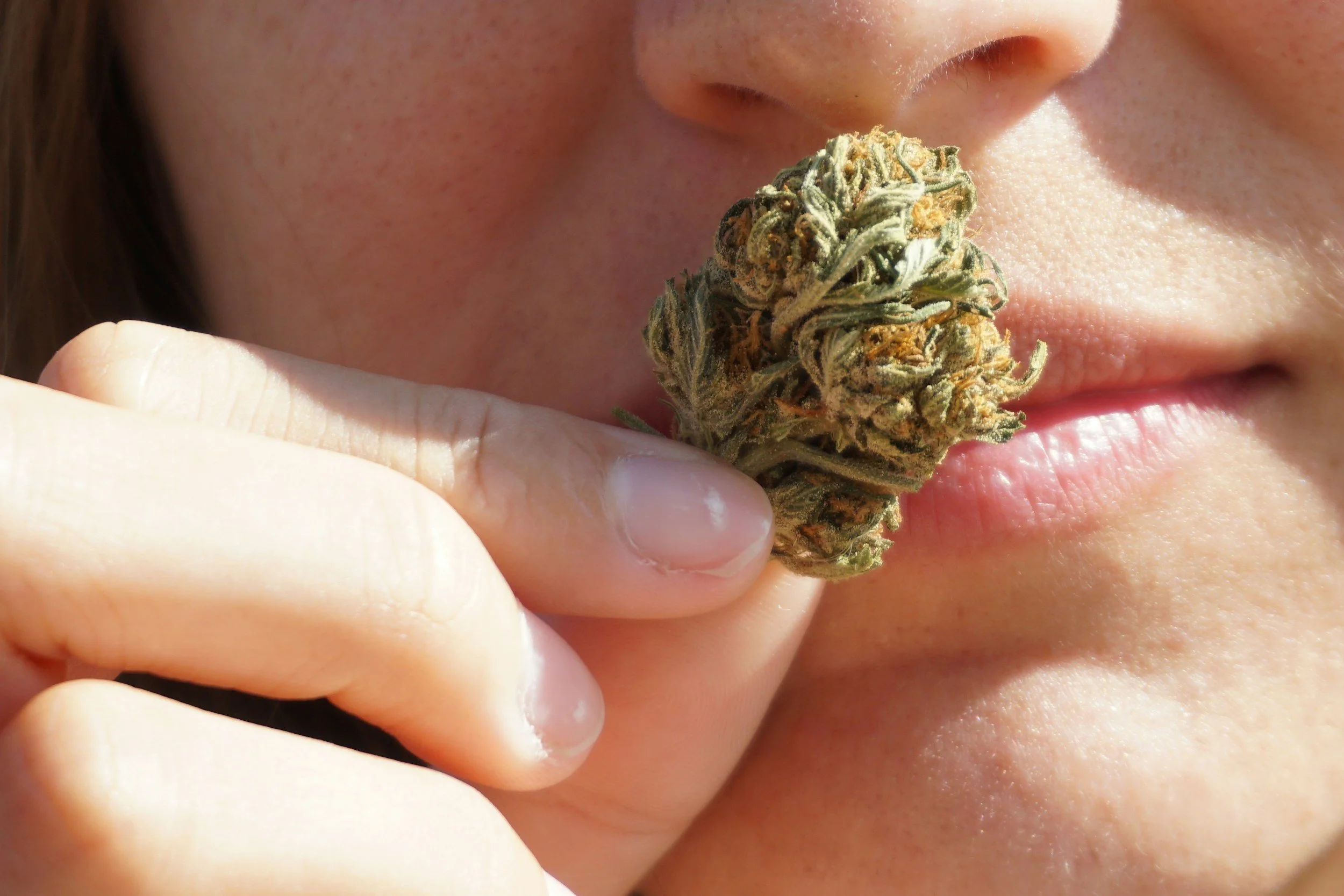
Cannabis is often discussed in terms of THC percentages, but potency alone does not define the character of the plant. The aromas, flavors, and subtle differences between cultivars are shaped by another class of compounds known as terpenes.
Terpenes are aromatic molecules produced naturally by many plants. They are responsible for the scent of pine forests, citrus peels, lavender flowers, and countless other natural aromas.
In cannabis, terpenes play an especially important role.
These compounds contribute to the smell and flavor of the plant while also interacting with cannabinoids to influence the overall experience of the product. The combination of cannabinoids and terpenes creates the chemical diversity that distinguishes one cultivar from another.
Understanding terpenes provides a deeper appreciation for the complexity of cannabis.
What Terpenes Are and Why Plants Produce Them
Terpenes are organic compounds produced by plants as part of their natural defense and communication systems.
In the wild, these aromatic molecules serve several purposes. They can deter insects, attract pollinators, and help protect plants from environmental stress.
Cannabis plants produce terpenes within their trichomes, the same resin glands that contain cannabinoids like THC and CBD.
As the plant matures during the flowering stage, trichomes begin producing the aromatic compounds that give cannabis its recognizable scent.
Different cannabis cultivars develop different terpene combinations depending on genetics and environmental conditions during cultivation.
These terpene combinations are what create the distinct aromatic signatures associated with various cannabis strains.
How Terpenes Shape Aroma and Flavor
The most immediate way consumers experience terpenes is through aroma.
When a jar of cannabis flower is opened, the scent released is largely determined by its terpene profile. Some cultivars may carry bright citrus aromas, while others express earthy, floral, or pine-like characteristics.
Flavor is closely connected to aroma.
When cannabis is inhaled, the same aromatic molecules detected by the nose also interact with taste receptors. This combination creates the flavor profile experienced during consumption.
A terpene-rich cannabis product tends to deliver more complex and expressive sensory characteristics.
This is why many cannabis enthusiasts pay close attention to terpene profiles when selecting products.
Common Terpenes Found in Cannabis
Cannabis plants can produce dozens of different terpenes, but several appear more frequently across cultivars.
Each terpene carries its own aromatic qualities.
Beta-Caryophyllene
Beta-caryophyllene is known for its spicy, pepper-like aroma. It is also found in black pepper and cloves.
This terpene is notable because it can interact with the body’s endocannabinoid system, contributing to the broader chemical complexity of cannabis.
Limonene
Limonene produces bright citrus aromas reminiscent of lemon and orange peels.
This terpene appears in many fruit-forward cannabis cultivars and contributes to fresh, uplifting aromatic profiles.
Myrcene
Myrcene is one of the most commonly occurring terpenes in cannabis.
It is associated with earthy, herbal, and slightly musky aromas. Myrcene is also present in plants such as hops and mango.
Pinene
Pinene delivers the recognizable scent of pine forests.
This terpene appears in two primary forms, alpha-pinene and beta-pinene, both of which contribute crisp, fresh aromas to cannabis.
Linalool
Linalool carries floral notes often associated with lavender.
It contributes softer aromatic characteristics that add depth to terpene profiles.
These are only a few examples among the many terpenes found in cannabis.
Each cultivar expresses its own combination of these compounds, creating unique aromatic signatures.
The Entourage Effect
Terpenes do more than influence aroma and flavor. They also interact with cannabinoids within the body.
Researchers often refer to this interaction as the entourage effect.
The entourage effect describes how cannabinoids and terpenes may work together to influence the overall experience of cannabis. Rather than acting independently, these compounds interact within the body’s endocannabinoid system.
This interaction helps explain why cannabis products with similar THC levels may produce noticeably different experiences.
The balance between cannabinoids and terpenes contributes to the overall chemical profile of the product.
Understanding terpene composition can therefore provide valuable insight beyond potency numbers alone.
Cultivation Influences Terpene Development
Terpene expression begins during cultivation.
Genetics determine the potential terpene profile a plant can produce, but environmental conditions influence how those compounds develop.
Temperature, humidity, light intensity, and nutrient balance all play roles in terpene production.
Healthy plants grown under stable conditions tend to produce more expressive terpene profiles.
Harvest timing also matters. Terpenes reach peak concentration during specific stages of trichome development.
Cultivators monitor this process carefully to capture the plant’s full aromatic potential.
The goal is to preserve the chemical complexity that develops during flowering.
Post-Harvest Handling Preserves Terpenes
After harvest, careful drying and curing become essential for protecting terpene content.
Freshly harvested cannabis contains significant moisture. Drying allows this moisture to dissipate gradually while protecting the delicate resin glands that hold cannabinoids and terpenes.
Curing further stabilizes the plant material while allowing chemical processes to enhance aroma and smoothness.
If cannabis is dried too quickly or stored improperly, terpene content can degrade.
Responsible post-harvest handling helps preserve the aromatic complexity developed during cultivation.
Packaging Plays a Role in Terpene Preservation
Even after cultivation and curing, terpene preservation remains important.
Terpenes are volatile compounds, meaning they can evaporate when exposed to oxygen, heat, or light.
Packaging that minimizes air exposure helps slow this evaporation process.
Glass containers with reliable seals are commonly used because they help maintain a stable internal environment. By limiting oxygen exposure, these containers help preserve terpene integrity during storage and transportation.
Packaging becomes the final barrier protecting the aromatic character of the product.
Accessing Terpene Information Through COAs
Laboratory testing provides detailed information about terpene content.
Independent testing laboratories analyze cannabis products to measure both cannabinoid potency and terpene composition. These results are documented in Certificates of Analysis.
A COA allows consumers to review the chemical profile associated with a specific batch of cannabis.
This information helps buyers better understand the aromatic and chemical characteristics of the product they are purchasing.
Updated Certificates of Analysis and product information can be accessed at:
Consumers can also view verified product availability through the official Silly Nice brand page on Weedmaps.
Terpenes Reveal the Plant’s Character
Cannabis is more than a single compound. It is a chemically complex plant containing dozens of interacting molecules.
Terpenes provide the aromatic identity that distinguishes one cultivar from another. They shape the scent, flavor, and broader chemical profile of cannabis products.
Understanding terpenes allows consumers to move beyond simple potency comparisons and appreciate the nuanced chemistry of the plant.
When cultivation, harvesting, and packaging all work together to preserve these compounds, the full character of cannabis can be experienced exactly as the plant intended.