
Strongest Weed in New York: Understanding High-THC Cannabis
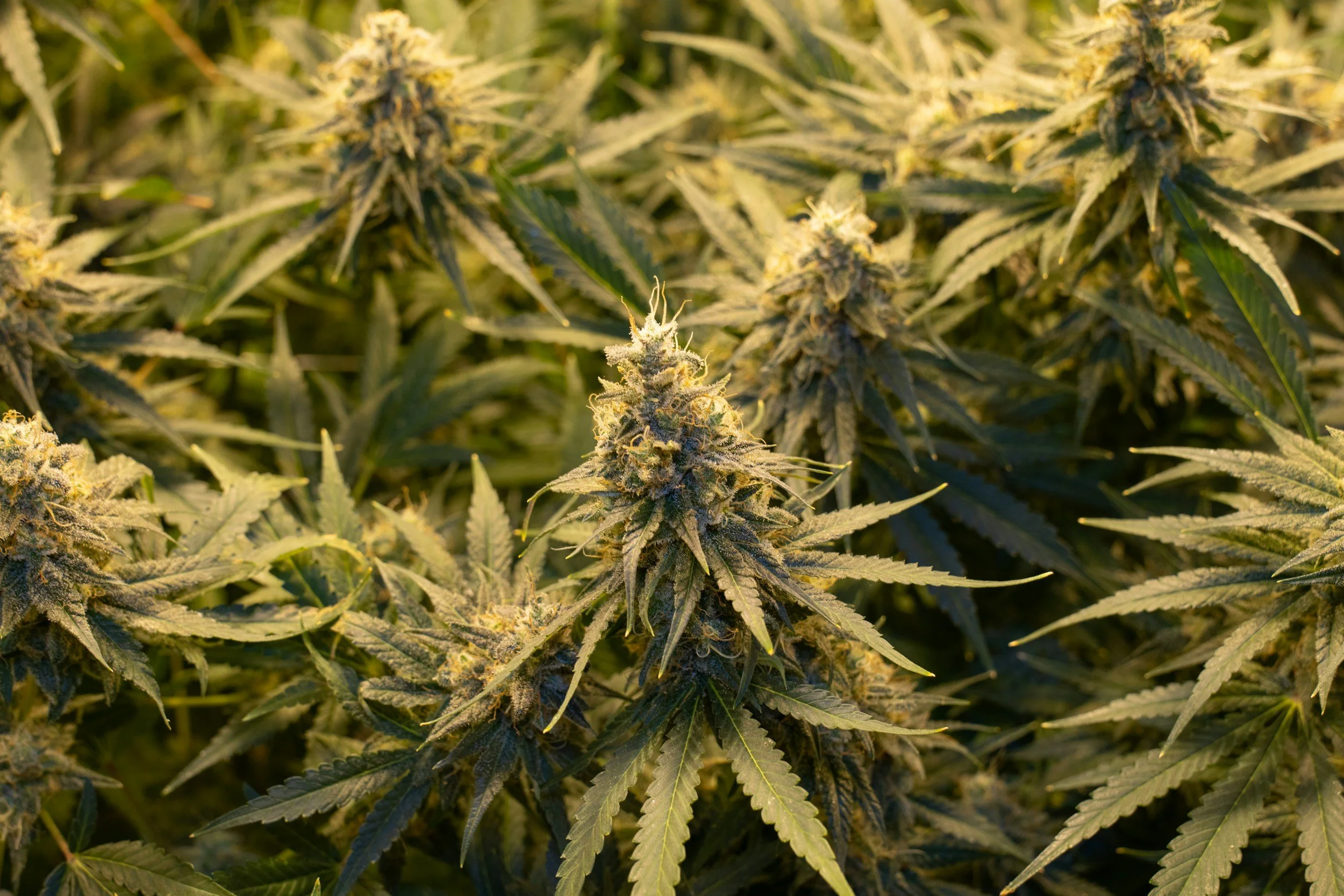
Cannabis potency has become one of the most widely discussed topics in the modern cannabis market. As legal cannabis expands across New York, many consumers searching for cannabis products are curious about one specific question: what is the strongest weed available?
The answer is more complex than simply looking at THC percentages. While THC remains the most recognized cannabinoid associated with cannabis potency, the experience of cannabis involves a combination of cannabinoids, terpenes, and individual tolerance.
Understanding how potency works can help consumers better interpret cannabis labels and make more informed decisions when exploring products available in New York’s regulated market.
What THC Is
THC, or tetrahydrocannabinol, is the primary psychoactive cannabinoid found in cannabis.
Cannabis plants produce THC in its acidic form known as THCa. When cannabis is heated through smoking or vaporization, THCa converts into THC through a process called decarboxylation.
This transformation allows THC to interact with receptors in the body’s endocannabinoid system, producing the effects most commonly associated with cannabis.
Because THC plays such a prominent role in cannabis experiences, potency is often measured by the percentage of THC present in the product.
Typical THC Levels in Cannabis Flower
Cannabis flower potency can vary significantly depending on genetics, cultivation practices, and post-harvest processing.
In New York dispensaries, cannabis flower typically falls into several general potency ranges:
Low potency:
5% – 10% THC
Moderate potency:
10% – 18% THC
High potency:
18% – 25% THC
Very high potency:
25% – 30% THC or higher
These ranges help consumers understand how strong a particular cannabis flower might be relative to other options on the market.
Why Some Cannabis Feels Stronger Than Others
THC percentage alone does not fully explain why certain cannabis products feel stronger than others.
Several factors influence the overall cannabis experience.
Terpenes
Terpenes are aromatic compounds found in cannabis that contribute to flavor, aroma, and potentially how cannabis effects are perceived.
Common terpenes include:
limonene
myrcene
beta-caryophyllene
pinene
linalool
These compounds interact with cannabinoids and may influence how cannabis feels.
Minor Cannabinoids
Cannabis also produces a variety of lesser-known cannabinoids that can influence the overall experience.
These include:
CBG
CBN
CBC
THCV
While present in smaller amounts, these cannabinoids can contribute to the broader chemical profile of cannabis.
Cultivation Quality
Growing conditions play a major role in cannabis potency.
Factors such as lighting, nutrient balance, plant genetics, and harvest timing influence how cannabinoids and terpenes develop during cultivation.
Cannabis grown with attention to detail often produces richer terpene expression and stronger cannabinoid levels.
Cannabis Concentrates and Potency
While cannabis flower can reach THC levels above 25%, cannabis concentrates can contain significantly higher cannabinoid concentrations.
Common concentrate potency levels include:
Hash and bubble hash:
40% – 60% THC
Live resin concentrates:
60% – 80% THC
Refined concentrates and extracts:
80% – 95% total cannabinoids
Because concentrates contain cannabinoids in more concentrated forms, smaller amounts may deliver stronger cannabinoid exposure.
Reading Cannabis Labels
Legal cannabis products in New York must display detailed information about cannabinoid content.
Product labels typically include:
THC percentage
total cannabinoids
terpene information
batch identification
laboratory testing information
This transparency helps consumers understand the composition of cannabis products before purchasing them.
Consumers interested in reviewing cannabinoid profiles and laboratory-tested cannabis products can explore available information at:
Certificates of Analysis provide detailed insights into potency, cannabinoid composition, and product safety.
Potency and Responsible Consumption
High-THC cannabis products can offer powerful experiences, which is why understanding potency is important.
Consumers often benefit from beginning with smaller amounts and adjusting their consumption gradually as they learn how different cannabis products affect them.
Tolerance, metabolism, and individual physiology all influence how cannabis is experienced.
The Evolving Cannabis Market in New York
As the legal cannabis industry continues to develop across New York, cannabis potency and product diversity will likely continue expanding.
Cultivators are refining genetics, extraction technologies are improving, and consumers are gaining a deeper understanding of cannabinoids and terpenes.
This growing knowledge allows consumers to explore cannabis products with greater awareness of what influences potency and how different products compare.
From traditional cannabis flower to highly refined concentrates, the modern cannabis market offers a wide spectrum of potency levels shaped by both nature and innovation.