
Schedule III Is a Step Forward—But Justice Still Has to Catch Up
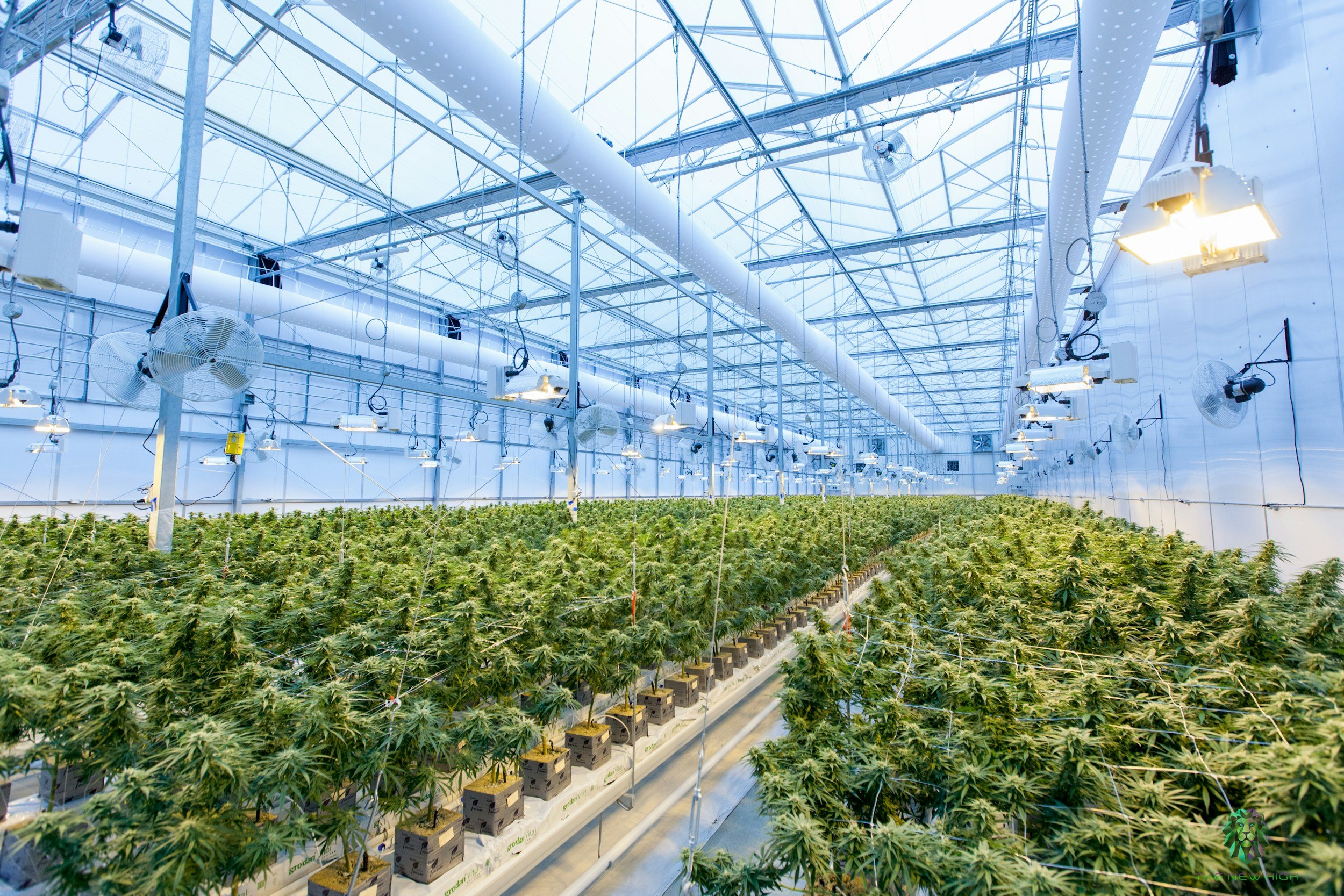
Yesterday, President Trump signed an executive order that reclassifies cannabis from Schedule I to Schedule III under the Controlled Substances Act. That’s a sentence I never thought I’d write.
For the first time in over 50 years, the federal government is officially recognizing that cannabis has medical value. Let that sink in.
It’s progress. It’s overdue. And it’s personal—for me, for Silly Nice, and for millions of Americans who’ve relied on this plant in silence, in shame, or in fear of punishment.
But let’s be clear: while Schedule III is a step in the right direction, justice reform still hasn’t caught up.
What This Means Right Now
The executive order directs the Attorney General to fast-track the rescheduling process and acknowledges what patients and caregivers have known for decades—cannabis can help. Chronic pain. PTSD. Nausea. Sleep. Appetite. Anxiety.
It also calls for improved research infrastructure, especially around hemp-derived cannabinoids like CBD. That’s big. Our country’s veterans, seniors, and underserved communities deserve access to products that are safe, consistent, and rooted in science—not politics.
As a veteran myself and co-owner of a cannabis company serving patients across New York, I welcome this shift. Schedule III opens the door to:
More medical research
Clearer guidance for doctors and patients
Potential tax reform (ending 280E limitations)
Safer, regulated access to full-spectrum CBD products
It’s a solid first move—but it’s not the finish line.
What’s Missing? Accountability and Repair
While some people are popping champagne over the reclassification, let’s not forget: people are still sitting in prison for the same plant that is now being researched, regulated, and monetized at the federal level.
That’s a disconnect I can’t ignore.
If this reform is truly about science, healing, and doing what’s right, then we need to follow it with real accountability:
Automatic expungement of non-violent cannabis convictions
Release of those still incarcerated for outdated marijuana charges
Reinvestment in the communities most harmed by prohibition
Access to business opportunities for legacy and underrepresented operators
This industry didn’t start in boardrooms—it started on the block, in the culture, and in families who were quietly healing themselves long before cannabis was a trending investment class.
At Silly Nice, we haven’t forgotten that.
What We’re Fighting For
We launched Silly Nice to create something different—a brand that reflects the culture, honors the plant, and stands for the people. From day one, we’ve been committed to:
Veteran ownership and legacy-to-legal pathways
Small-batch, premium cannabis grown in New York
Lab-tested, honest products without the corporate fluff
Supporting dispensaries that actually care about the communities they serve
This moment in cannabis history is not just about classification. It’s about representation.
Veterans. Patients. Small business owners. Immigrants. Mothers. Artists. Budtenders. Farmers. The people who’ve built this space should not be left out of its future.
What’s Next for Silly Nice
We’re not waiting on Washington to figure it out. We’re staying focused on what matters:
Continuing to work with dispensary partners across New York
Expanding access to our full menu of craft flower and concentrates
Supporting reentry efforts and pushing for state-level expungement
Educating our community about safe cannabis use, especially for seniors and veterans
Protecting our independence while scaling our impact
Our goal is to stay rooted in New York while building the kind of cannabis company that feels as good to support as it does to consume. That’s what legacy means to us.
Schedule III Is a Win. But Equity Is the Goal.
This isn’t about praising politicians. It’s about putting pressure on systems to evolve in ways that actually serve the people who need cannabis most.
So yes, we’re glad to see progress. But we’re not celebrating until the full picture is addressed.
At Silly Nice, we stand for access, for fairness, and for the culture that built this movement long before it had federal approval.
If you're with us, now is the time to stay loud, stay focused, and keep pushing.
Because the plant is finally legal. But the fight for justice is far from over.