
Ocean-Bound Plastic: Why Packaging Materials Matter in Cannabis
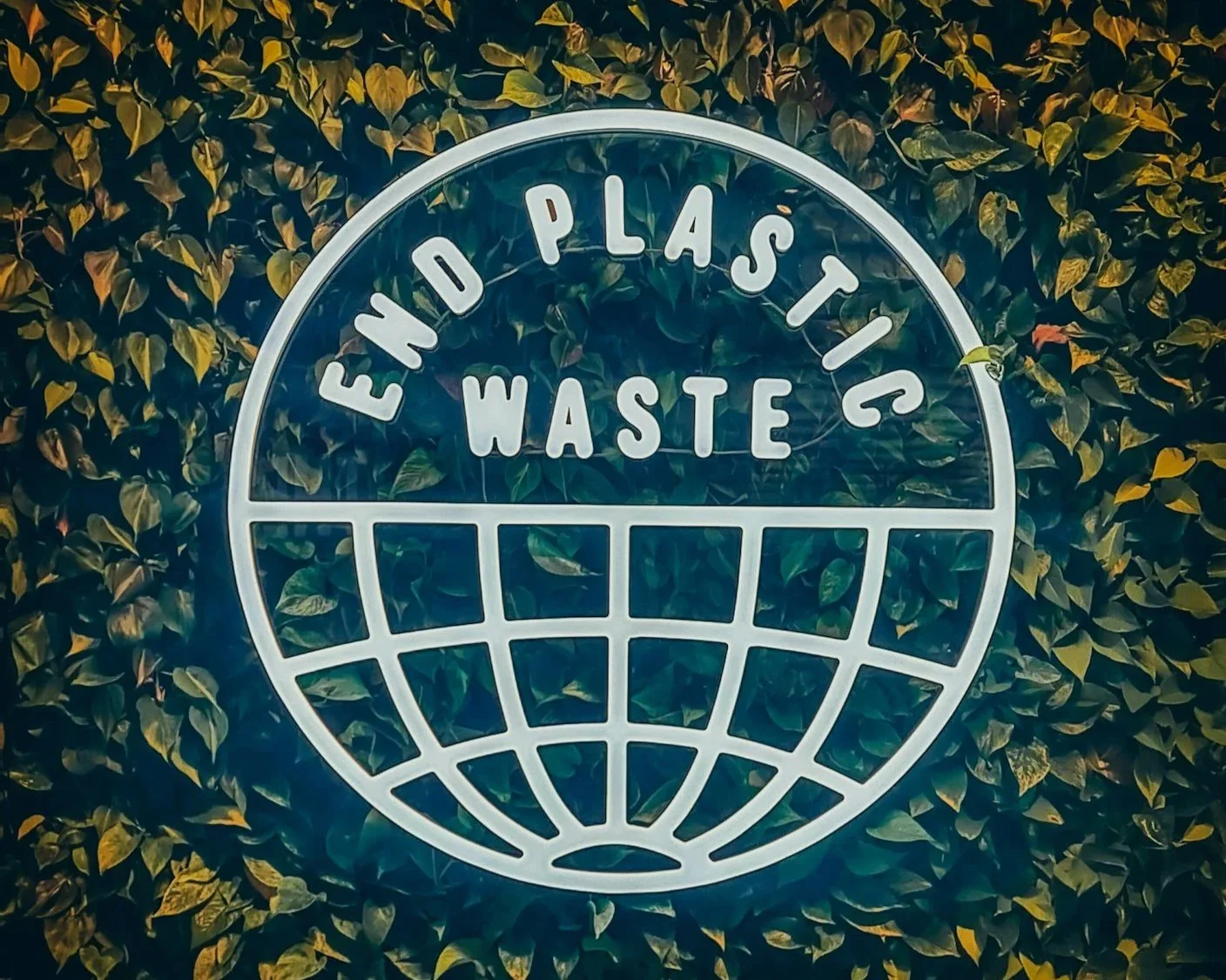
Packaging has become one of the most visible environmental challenges within the legal cannabis industry. Regulations require products to be sealed, labeled, and protected in ways that ensure consumer safety, but those same requirements often result in large amounts of packaging waste.
Plastic containers, single-use materials, and multilayer packaging can accumulate quickly as legal cannabis markets expand.
As a result, many cannabis producers have begun rethinking the materials used in their packaging systems. The goal is not simply compliance with regulations but reducing environmental impact wherever possible.
One approach gaining attention across several industries is the use of ocean-bound plastic.
Ocean-bound plastic refers to recycled plastic collected from regions at high risk of contributing waste to oceans and waterways. By redirecting this material into new products, manufacturers can help prevent plastic pollution from entering marine ecosystems.
In cannabis packaging, using ocean-bound plastic components offers a way to reduce waste while maintaining regulatory compliance and product protection.
What Ocean-Bound Plastic Means
Ocean-bound plastic is plastic waste that has been collected from areas located near coastlines, rivers, and waterways where unmanaged waste has a high likelihood of reaching the ocean.
These regions often lack sufficient recycling infrastructure or waste management systems. As a result, discarded plastic may accumulate in environments where it can eventually enter marine ecosystems.
Organizations that collect ocean-bound plastic intercept this material before it reaches waterways.
Once collected, the plastic is cleaned, processed, and recycled into usable materials that can be incorporated into new products.
By creating demand for recycled plastic recovered from high-risk areas, manufacturers help support waste recovery efforts that prevent environmental pollution.
Redirecting Waste Before It Reaches the Ocean
The environmental impact of plastic pollution has become a global concern.
Large volumes of plastic waste enter oceans each year, affecting marine ecosystems, wildlife habitats, and coastal environments. Once plastic enters the ocean, it can break down into smaller particles known as microplastics.
These particles persist in marine environments for decades.
Ocean-bound plastic programs focus on intervention before pollution occurs. By collecting plastic from vulnerable coastal regions and recycling it into new materials, these programs help remove waste from environments where it might otherwise enter the ocean.
The recovered plastic gains new utility as part of manufacturing supply chains.
This approach turns potential pollution into a reusable resource.
Why Cannabis Packaging Requires Durable Materials
Cannabis packaging must satisfy several regulatory requirements.
Products must be sealed to prevent contamination, labeled accurately for consumer safety, and designed to limit access by minors. These requirements often involve durable packaging materials capable of maintaining product integrity during transportation and storage.
Plastic components are frequently used for certain packaging elements because of their durability and flexibility.
Lids, seals, and structural packaging features often rely on plastics that can withstand repeated handling while maintaining airtight protection.
Incorporating recycled materials into these components provides an opportunity to maintain product safety while reducing environmental impact.
Ocean-bound plastic offers one potential pathway for doing so.
Recycling Extends the Life of Existing Materials
Recycling plastic materials extends the life cycle of resources that have already been produced.
Instead of manufacturing new plastic entirely from raw petroleum inputs, recycled plastic uses existing materials that would otherwise become waste.
Ocean-bound plastic programs add another environmental layer by focusing specifically on plastic recovered from areas vulnerable to ocean pollution.
By transforming this recovered waste into new packaging components, manufacturers help close part of the loop in the plastic life cycle.
Recycling does not eliminate plastic entirely, but it helps reduce the demand for newly produced materials.
It also supports waste recovery systems that remove plastic from vulnerable ecosystems.
Packaging Decisions Influence Environmental Impact
Every packaging decision carries environmental consequences.
Materials used for containers, labels, lids, and seals contribute to the total environmental footprint of a product. Producers increasingly evaluate how these materials are sourced, manufactured, and disposed of after use.
Responsible packaging strategies often involve combining multiple approaches.
Recyclable materials, renewable resources, and recycled plastics can all play roles in reducing overall environmental impact.
For cannabis companies operating in regulated markets, these decisions must also align with compliance standards designed to protect consumers.
Balancing regulatory compliance with sustainability goals requires careful material selection.
Consumer Awareness Is Increasing
Consumers across many industries are paying closer attention to how products are packaged.
Environmental responsibility has become an important consideration for buyers who want to understand how companies manage their environmental impact.
Packaging materials offer one of the most visible signals of a brand’s environmental priorities.
When companies choose recycled materials or renewable resources, they communicate an awareness of the broader environmental challenges associated with modern manufacturing.
For consumers interested in sustainability, these choices can provide additional context about how products are produced and distributed.
Transparency Supports Responsible Choices
Transparency plays an important role in responsible packaging.
Consumers benefit from understanding how materials are sourced and how products are produced. Clear communication about packaging materials helps buyers evaluate the environmental impact associated with the products they purchase.
In regulated cannabis markets, transparency also extends to laboratory testing and product composition.
Independent testing laboratories analyze cannabis products to measure cannabinoid potency, terpene composition, and safety screening results. These findings are documented in Certificates of Analysis.
COAs allow consumers to review the chemical profile associated with each product batch.
Updated product information and Certificates of Analysis can be viewed at:
Consumers can also explore verified retail availability through the official Silly Nice brand page on Weedmaps.
These resources provide access to product information tied to specific batches.
Responsible Packaging Reflects Broader Values
Cannabis cultivation, processing, and packaging all contribute to the environmental footprint of the industry.
As legal markets continue to expand, producers are exploring ways to reduce that footprint through more responsible production methods.
Packaging materials represent one part of this larger conversation.
Using recycled materials such as ocean-bound plastic helps redirect waste from vulnerable ecosystems while supporting the durability required for regulated cannabis packaging.
Environmental responsibility often emerges through many small decisions made throughout the production process.
When these decisions align with transparency, sustainability, and responsible sourcing, packaging becomes more than a container.
It becomes part of a broader effort to produce cannabis with awareness and care for the environment.