
Ocean-Bound Plastic and Why It Matters for Responsible Packaging
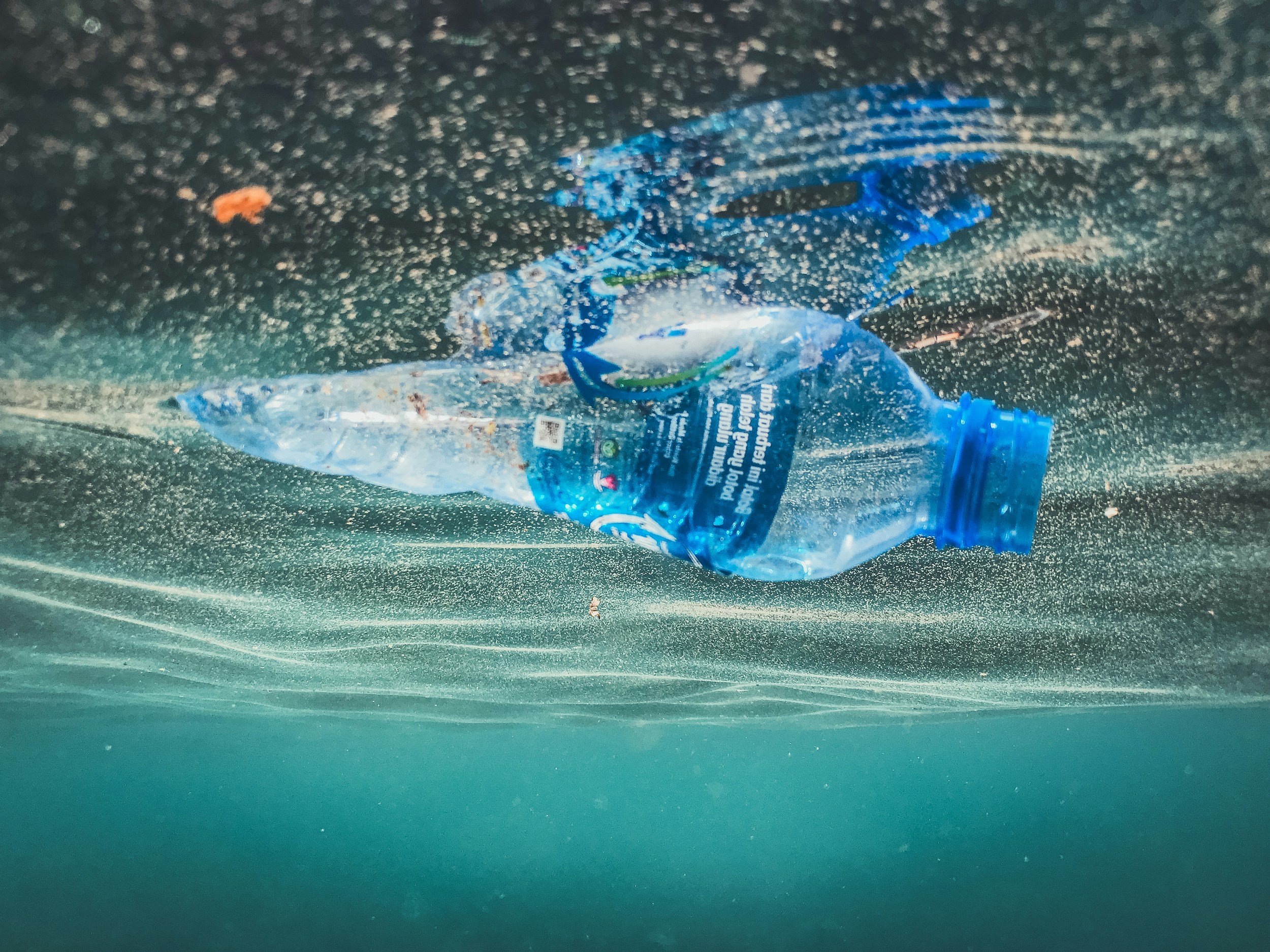
Plastic waste has become one of the most visible environmental challenges of the modern era. Across the globe, millions of tons of plastic enter waterways each year, eventually reaching rivers, coastlines, and oceans.
Much of this waste originates from areas where waste management infrastructure is limited or overwhelmed. When plastic materials are not collected properly, they can migrate through drainage systems and waterways until they reach marine ecosystems.
In response to this challenge, several industries have begun exploring ocean-bound plastic as a way to divert waste before it reaches the ocean.
Ocean-bound plastic refers to plastic materials that are collected from areas near coastlines or waterways where there is a high risk of environmental leakage. Instead of allowing this material to enter marine ecosystems, it is recovered, processed, and repurposed into new products.
When used responsibly, ocean-bound plastic can contribute to waste reduction while supporting circular material systems.
What Ocean-Bound Plastic Actually Means
Ocean-bound plastic does not come directly from the ocean itself.
Instead, it refers to plastic waste that has been collected from regions within roughly 50 kilometers of coastlines or major waterways where environmental leakage is likely.
These areas often lack consistent waste management systems, which increases the probability that discarded plastic will eventually reach the ocean.
Recovery programs work with local communities to collect plastic waste from these vulnerable regions.
Once collected, the material is sorted, cleaned, and processed so it can be reintroduced into manufacturing systems.
This recovery process helps intercept plastic waste before it enters marine ecosystems.
By creating demand for recovered materials, ocean-bound plastic programs also support waste collection infrastructure in regions where it is most needed.
Preventing Plastic from Entering Marine Ecosystems
Marine plastic pollution has significant ecological consequences.
Plastic waste can break down into smaller fragments known as microplastics, which persist in ocean environments for extended periods.
These fragments can affect marine wildlife through ingestion and entanglement.
Preventing plastic from reaching the ocean in the first place is often considered one of the most effective strategies for addressing this problem.
Ocean-bound plastic recovery focuses on this preventative approach.
By collecting waste from high-risk areas before it enters waterways, recovery programs reduce the volume of plastic that reaches marine ecosystems.
The recovered material can then be reused in manufacturing processes.
This approach helps transform waste into a usable resource rather than allowing it to accumulate in the environment.
Repurposing Recovered Plastic into New Products
Once ocean-bound plastic has been collected, it undergoes several processing steps before it can be used again.
The material is typically sorted by plastic type, cleaned to remove contaminants, and then shredded into small fragments.
These fragments can be melted and reformed into new plastic components.
Manufacturers can incorporate these recycled materials into various products, including packaging components, consumer goods, and industrial materials.
Using recovered plastic in this way helps reduce the demand for newly produced plastics derived from fossil fuels.
It also creates an economic incentive to recover waste that might otherwise be discarded.
Repurposing recovered plastic therefore contributes to circular material systems that reduce environmental impact.
Responsible Packaging Balances Protection and Sustainability
Packaging decisions within the cannabis industry must satisfy multiple requirements.
Products must remain protected from environmental exposure while also complying with regulatory packaging standards.
Cannabis products contain delicate compounds such as terpenes and cannabinoids that require protection from oxygen, heat, and light.
Packaging therefore needs to create a stable environment that preserves these compounds.
At the same time, producers are increasingly aware of the environmental footprint associated with packaging materials.
Incorporating recovered materials such as ocean-bound plastic into certain packaging components helps reduce reliance on newly manufactured plastic.
This approach allows packaging to serve its protective function while also addressing environmental considerations.
Responsible packaging design attempts to balance both priorities.
Ocean-Bound Plastic Supports Circular Material Systems
Traditional plastic production relies heavily on fossil fuel extraction.
New plastics are manufactured from petroleum-based raw materials, which require energy-intensive processing.
Using recovered plastic reduces the demand for these new materials.
Ocean-bound plastic recovery helps redirect existing waste back into manufacturing systems.
This process supports circular material systems, where materials remain in use for longer periods rather than being discarded after a single lifecycle.
Circular systems aim to reduce overall waste while maximizing the value of existing materials.
By incorporating recovered plastics into packaging components, manufacturers contribute to this broader effort.
Combining Materials for Responsible Packaging
Effective packaging systems often rely on multiple materials working together.
Different materials serve different roles in protecting cannabis products.
For example:
glass containers help preserve terpene integrity and maintain chemical stability
renewable materials such as hemp fibers can reduce reliance on petroleum-based packaging
ocean-bound plastic components help repurpose recovered waste while maintaining functional durability
Combining these materials allows packaging systems to address both product protection and environmental responsibility.
Each material contributes a specific advantage within the overall design.
Responsible packaging reflects thoughtful decisions about how these materials work together.
Transparency Builds Consumer Confidence
In regulated cannabis markets, transparency plays an important role in building consumer trust.
Beyond packaging materials, transparency also extends to the chemical composition of cannabis products.
Independent laboratories analyze cannabis batches to verify cannabinoid potency, terpene composition, and safety screening results.
These findings are documented in Certificates of Analysis, commonly referred to as COAs.
COAs provide detailed information about the chemical profile of cannabis products.
Consumers interested in reviewing these reports can access updated Certificates of Analysis and product information at:
Retail availability for Silly Nice products can also be verified through the official brand page on Weedmaps.
These resources allow consumers to explore both laboratory testing data and product distribution.
Packaging Reflects Long-Term Responsibility
Packaging decisions reveal how producers approach both product care and environmental stewardship.
Materials that protect terpene expression and cannabinoid stability while also reducing environmental waste represent a thoughtful approach to packaging design.
Ocean-bound plastic is one example of how recovered materials can contribute to responsible packaging systems.
By intercepting plastic waste before it enters marine ecosystems and repurposing it into new products, manufacturers help reduce environmental impact.
When combined with protective materials that preserve cannabis quality, these packaging choices reflect a broader commitment to responsible production.
Packaging becomes more than a container.
It becomes part of a system that respects both the plant and the environment that supports it.