
Indica vs. Sativa Is Outdated: What Actually Matters When Choosing Cannabis
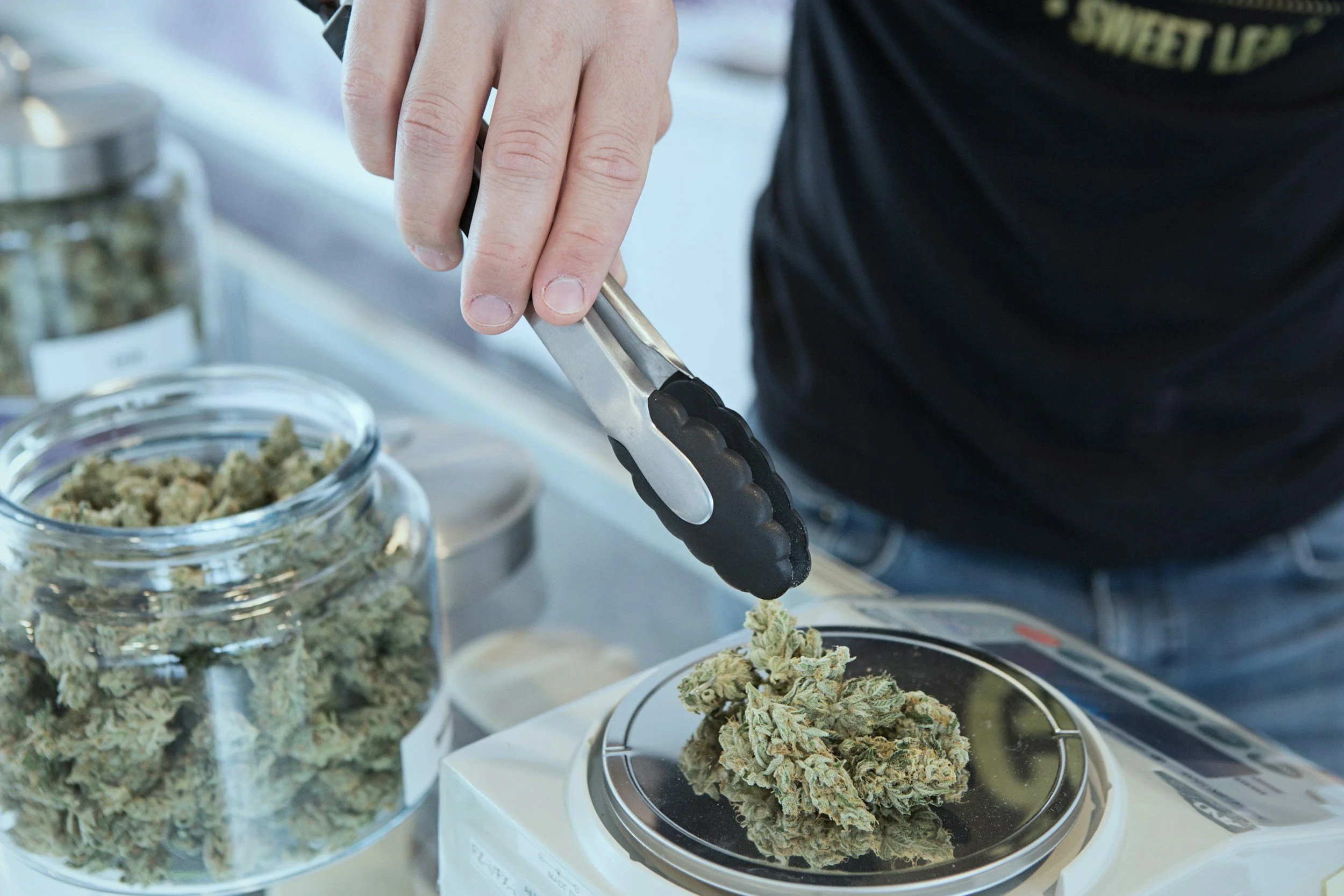
For years, cannabis was divided into two buckets: indica and sativa. One was supposed to relax you. The other was supposed to energize you. In practice, that framework no longer reflects how modern cannabis works—or how people actually experience it.
This guide was created by Silly Nice to help New Yorkers move past outdated labels and choose cannabis based on factors that actually shape effects.
Why the Old Labels Fall Short
Most legal cannabis strains today are hybrids. Genetics have been crossbred for decades, blurring any meaningful line between indica and sativa.
As a result:
“Indica” products can feel energizing
“Sativa” products can feel calming
Effects vary widely between batches
The label often reflects lineage history, not lived experience.
Effects Come From Chemistry, Not Names
What you feel comes from the interaction between cannabinoids, terpenes, dose, and timing—not from a category name.
Two products labeled the same way can feel completely different because:
Terpene profiles differ
Cannabinoid ratios differ
Extraction or curing methods differ
Chemistry drives experience.
Terpenes Are the Real Steering Wheel
Terpenes play a major role in how cannabis feels.
Different terpene profiles can:
Feel calming or alerting
Affect focus or body sensation
Influence how long effects last
Learning which terpene directions work for you is more useful than memorizing labels.
Dose Changes Everything
At low doses, many products feel clear and manageable. At higher doses, the same product can feel heavy or overstimulating.
This is why:
One person’s “energizing” product causes anxiety for another
The same product feels different at different times
Dose often matters more than classification.
Context Shapes Experience
Cannabis amplifies context.
Factors that influence effects include:
Time of day
Stress level
Environment
Expectations
A calm evening can turn the same product into a completely different experience than a rushed afternoon.
Why Labels Persist Anyway
Indica and sativa persist because they are simple.
They:
Give quick reference points
Help organize menus
Feel familiar to consumers
But simplicity comes at the cost of accuracy.
What to Use Instead of Indica and Sativa
More reliable decision tools include:
Terpene profiles
Cannabinoid ranges
Format (flower, vape, hash, infused)
Intended use (day, night, social, solo)
These factors predict experience more consistently.
Ask Better Questions at the Dispensary
Instead of asking “Is this indica or sativa?” try:
“Is this more calming or clear?”
“Does this feel heavy or light?”
“How long do the effects last?”
These questions lead to better recommendations.
Consistency Beats Categories
The products people trust most are not chosen by label—they’re chosen by repeatable outcomes.
When a product:
Feels the same across sessions
Fits a routine
Requires little adjustment
It earns a place regardless of category.
Transparency Helps Replace Guesswork
Moving beyond labels requires information.
Reliable products provide:
Clear cannabinoid ranges
Terpene profiles
Batch-specific testing
Every Silly Nice product is lab-tested, with Certificates of Analysis published openly so consumers can choose based on chemistry rather than marketing shorthand.
You can view current products and COAs here:
👉 https://sillynice.com/menu
Let Experience Be the Teacher
No article can replace lived experience.
The fastest way to understand what works is to:
Try products intentionally
Change one variable at a time
Notice patterns over multiple sessions
Experience refines intuition.
Modern Cannabis Requires Modern Thinking
As the New York market matures, consumers are becoming more sophisticated.
They are choosing:
Predictability over hype
Fit over folklore
Information over labels
That shift improves outcomes.
Cannabis Is More Nuanced Than Two Words
Indica and sativa were a starting point. They are no longer the destination.
Understanding terpenes, dose, and context leads to better experiences—everywhere in New York.