
How to Build a Minimalist Cannabis Routine That Actually Works
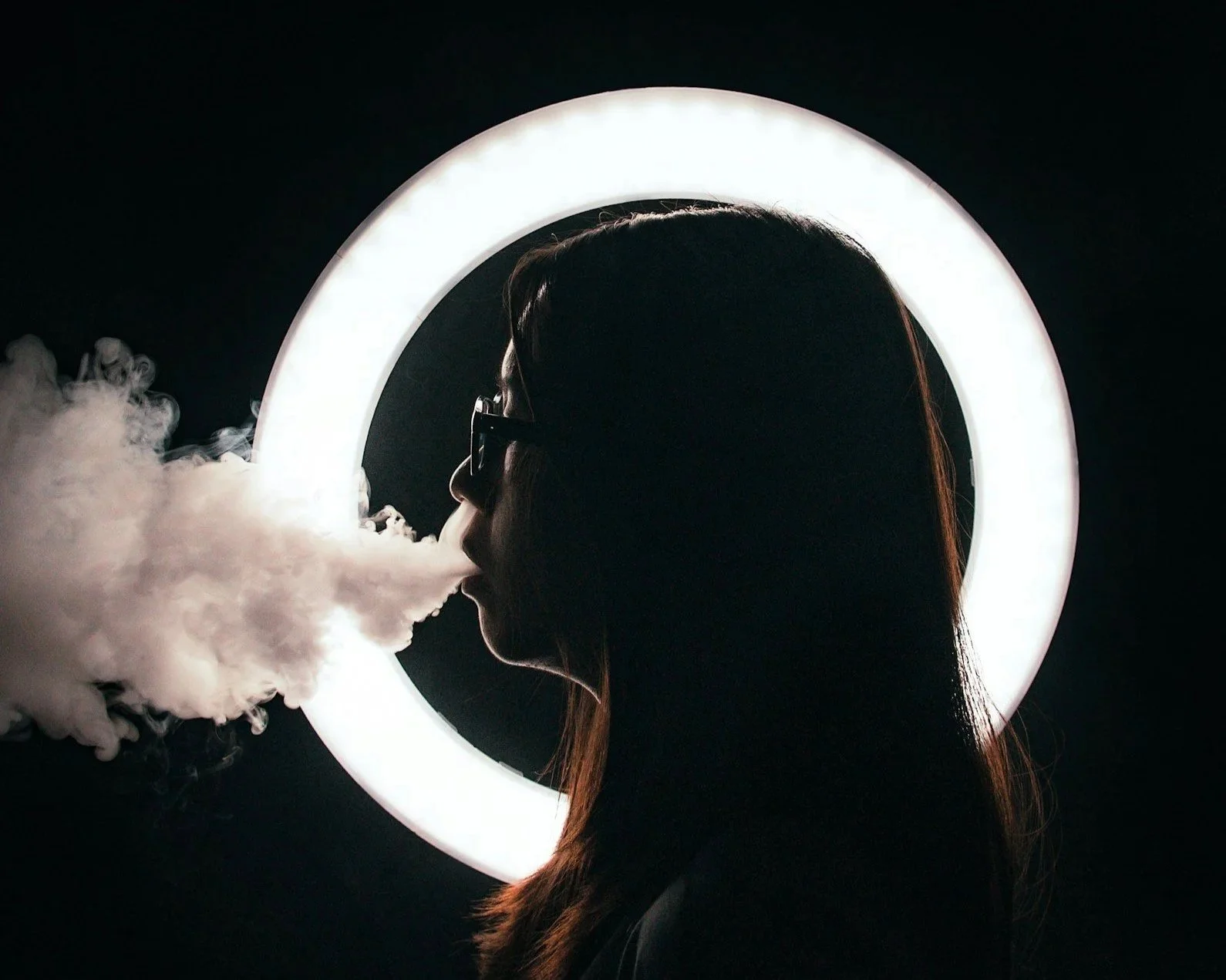
More cannabis does not mean better cannabis.
In fact, many experienced New York consumers eventually discover the opposite: the fewer products, sessions, and rules they rely on, the better cannabis fits into their life. Minimalism isn’t about deprivation. It’s about clarity, consistency, and control.
At Silly Nice, we design cannabis for people who want quality without clutter. A minimalist cannabis routine doesn’t mean using less because you should—it means using only what works, exactly when it works.
Minimalism Is About Reducing Friction, Not Pleasure
Minimalist cannabis use isn’t joyless.
It removes friction:
Fewer decisions
Less tolerance buildup
Fewer unintended side effects
More predictable outcomes
When cannabis routines get complicated—too many products, too many reasons, too many exceptions—enjoyment quietly suffers. Minimalism restores simplicity.
Silly Nice products are designed to support this simplicity by being versatile, potent, and intentional.
Step One: Define Your Primary Reason for Using Cannabis
Minimalist routines start with honesty.
Ask yourself one question:
What role does cannabis play in my life most often?
For many New Yorkers, the answer is one of these:
Recovery and unwinding
Creativity and focus
Social ease
Occasional enjoyment
Minimalism doesn’t mean cannabis can only serve one role—but it means you prioritize one and let the others be secondary.
Clarity here prevents unnecessary accumulation.
Step Two: Choose Fewer Products That Do More
Minimalist cannabis routines rely on multi-purpose products.
Instead of owning something for every scenario, minimalist users gravitate toward products that respond well to different doses and timings.
The same product might:
Support creativity at low doses
Support relaxation at slightly higher doses
Stay out of the way when used lightly
Silly Nice products are crafted with this flexibility in mind, reducing the need for constant rotation.
Step Three: Use Timing as a Tool
Minimalism is less about what you use and more about when you use it.
Changing timing often produces bigger results than changing products.
Examples:
Using cannabis later instead of earlier
Using it after tasks instead of before
Using it fewer days but more intentionally
These shifts preserve effectiveness without adding complexity.
Step Four: Build One Non-Negotiable Boundary
Every minimalist routine needs one anchor boundary.
This might be:
Cannabis-free mornings
One cannabis-light day per week
No cannabis during work hours
No late-night use on weekdays
One clear boundary simplifies everything else. It removes constant negotiation and protects balance.
Minimalism thrives on clarity, not constant decision-making.
Step Five: Stop Chasing Novelty
Novelty is the enemy of minimalism.
New products, new formats, new experiences all introduce unpredictability. That unpredictability increases tolerance, confusion, and overuse.
Minimalist cannabis users value familiarity. Knowing how something feels reduces anxiety and allows cannabis to fade into the background.
Silly Nice products are designed for consistency, which supports this approach.
Step Six: Let Dose Do the Work
Minimalist routines rely heavily on dose control.
Instead of switching products to change effects, minimalist users adjust amount. This keeps routines simple and outcomes predictable.
Smaller doses preserve clarity. Slightly larger doses deepen effects. Escalation is rare.
Silly Nice products respond clearly across dose ranges, making them ideal for this style of use.
Step Seven: Reduce Frequency Before Reducing Access
When cannabis feels off, many people immediately consider quitting or buying different products.
Minimalism suggests a simpler first step: reduce frequency.
Using cannabis fewer days per week often restores enjoyment faster than removing it entirely. Effects sharpen. Tolerance drops. Satisfaction returns.
This approach avoids extremes and keeps cannabis optional rather than necessary.
Step Eight: Pair Cannabis With Specific Moments
Minimalist routines work best when cannabis is tied to moments, not moods.
Examples:
After completing the day’s responsibilities
During a creative block, not a creative sprint
During intentional rest, not boredom
When cannabis is tied to moments, it stays purposeful. When it’s tied to moods, it becomes automatic.
Purpose keeps routines light.
Step Nine: Watch for Clutter Signals
Cannabis clutter shows up quietly.
A few signals:
Multiple products serving the same purpose
Needing cannabis to feel baseline
Forgetting why you’re using it
Chasing a feeling instead of enjoying one
When these appear, minimalism isn’t about stopping—it’s about simplifying.
Why Minimalism Works Especially Well in New York
New York life is already dense.
Schedules are full. Storage is limited. Mental bandwidth is valuable. Cannabis routines that add complexity don’t survive long here.
Minimalist cannabis use aligns with New York reality:
Less stuff
Less distraction
More intention
Silly Nice was built for people who value quality over excess.
Full-Spectrum Supports Minimalist Use
Full-spectrum cannabis works well in minimalist routines because it adapts.
Effects feel rounded and complete, reducing the urge to add or stack. Users re-dose less often and feel satisfied sooner.
Isolate-heavy products often encourage escalation, which clashes with minimalism.
Silly Nice prioritizes full-spectrum formulation to support simplicity and longevity.
Minimalism Is Not About Using Less Forever
Minimalism is not a rulebook.
It’s a framework that adapts. Some weeks call for more use. Some call for less. Minimalism ensures that change is intentional rather than reactive.
The routine stays light, even when life gets heavy.
A Minimalist Cannabis Routine, Summed Up
A working minimalist routine usually includes:
One or two trusted products
Clear timing boundaries
Low-to-moderate dosing
Cannabis-free moments built in
Familiarity over novelty
This structure protects enjoyment and keeps cannabis supportive rather than central.
Using Silly Nice Products in a Minimalist Routine
Silly Nice products are designed for people who want less—but better.
They’re potent, precise, and versatile. They respond clearly at low doses and integrate into life without demanding attention.
To explore the full Silly Nice lineup, read detailed product information, and find a licensed New York dispensary closest to you, visit:
Minimalism isn’t about denying yourself—it’s about removing what doesn’t matter so what does can shine. When cannabis is used intentionally and simply, it becomes easier to enjoy, easier to trust, and easier to live with. Silly Nice exists for people who want cannabis that fits cleanly into life, not around it.