
Hash Culture: From Amsterdam to New York
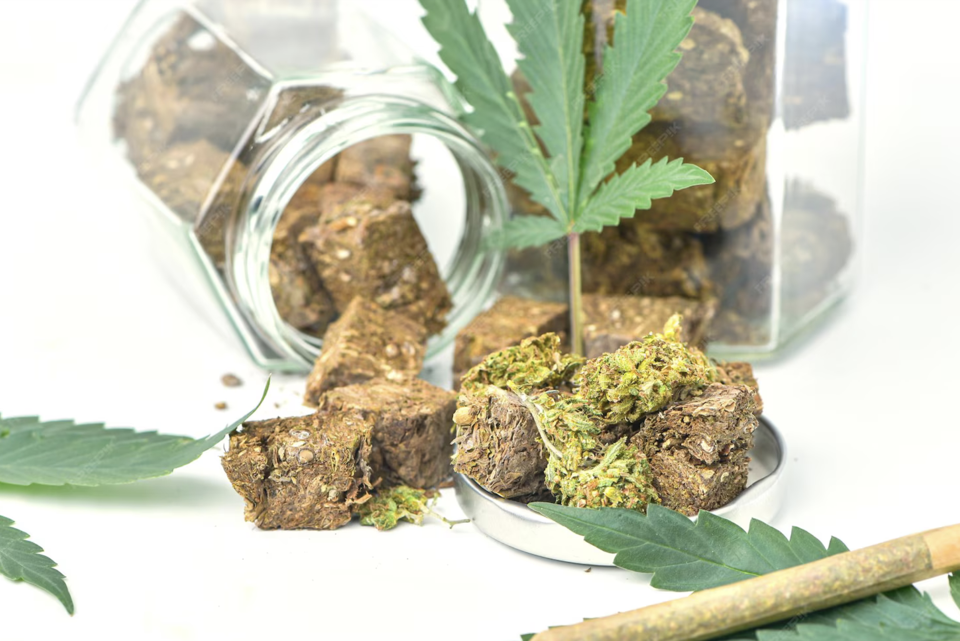
Craft Lineage, Preservation, and Respect for the Plant
Before dispensaries. Before compliance labels. Before terpene percentages were printed on packaging.
There was hash.
Compressed resin. Hand-rolled spheres. Carefully sieved trichomes. Ice-water separation techniques refined over decades.
Hash culture predates modern extraction science. It predates regulated markets. It exists as a lineage built on preservation rather than amplification.
Understanding that lineage changes how concentrates are viewed in New York’s legal cannabis market today.
The First Education Wasn’t Commercial
In 2002, the goal was simple: experience traditional hash in Amsterdam.
What stood out was not indulgence. It was discipline.
Coffeeshops treated hash differently than flower. Conversations centered around origin, texture, aroma, and technique. There was reverence for the resin itself.
Amsterdam’s cannabis culture historically emphasized:
Craft separation methods
Respect for trichome structure
Controlled consumption
Flavor preservation
Cultural continuity
This perspective reframes concentrates. They are not shortcuts. They are concentrated expressions of plant chemistry when handled correctly.
That education continues to inform how hash is approached today.
What Hash Actually Is
Hash is concentrated resin.
Trichomes, the microscopic glands that contain cannabinoids and terpenes, are separated from plant material and collected.
Traditional methods include:
Dry sifting
Ice-water extraction (bubble hash)
Hand-rolled resin
Pressed hash
Unlike highly refined isolates, traditional hash maintains a full-spectrum structure. Cannabinoids and terpenes remain integrated.
Educational resources outlining solventless definitions can be reviewed here:
https://weedmaps.com/learn/dictionary/solventless
The distinction between resin and refinement matters.
Why Solventless Techniques Endure
Solventless methods rely on mechanical separation rather than chemical solvents.
Ice-water extraction works through:
Cold temperatures
Gentle agitation
Fine filtration screens
Controlled drying
The result is resin collected without chemical dissolution.
In New York’s regulated system under the Office of Cannabis Management, all products must pass safety and contaminant testing:
https://cannabis.ny.gov
Compliance ensures safety. Solventless technique preserves heritage.
The continued relevance of solventless extraction is not nostalgic. It is functional.
Terpene Preservation in Traditional Hash
Hash culture has always valued aroma.
Before lab testing quantified terpene percentages, aroma was the measure of quality. Today, that sensory evaluation can be supported by data.
Solventless hash often tests with:
Strong terpene percentages
Balanced minor cannabinoids
Full-spectrum chemical structure
The preservation of trichomes maintains plant complexity.
Modern lab documentation, available through product listings such as:
https://www.sillynice.com/menu
allows consumers to confirm terpene presence rather than relying solely on scent.
Data now supports what tradition already understood.
The Difference Between Refinement and Respect
Modern extraction technologies allow for:
Near-pure THC isolation
Highly refined distillate
Engineered potency
These advancements are not inherently negative. They serve specific functions.
However, hash culture emphasizes preservation rather than stripping.
Refinement isolates. Respect preserves.
Solventless hash sits closer to the preservation end of the spectrum.
Hash as a Measured Experience
Traditional hash is rarely consumed impulsively.
It is:
Crumbled carefully
Layered intentionally
Smoked slowly
Shared thoughtfully
That pacing aligns with disciplined use.
High-potency modern concentrates can escalate sessions rapidly. Traditional hash tends to build gradually, allowing adjustment and awareness.
When cannabis is used as a tool, pacing matters.
Amsterdam’s Cultural Influence
Amsterdam’s cannabis heritage is not simply about legality. It is about stewardship.
For decades, hash in Amsterdam represented:
Import traditions
Craft sifting techniques
Resin appreciation
Terpene reverence
The emphasis was rarely on extreme potency. It was on structure and depth.
That perspective translates well into New York’s evolving legal market.
As more brands compete on THC percentage alone, hash culture re-centers attention on:
Flavor
Balance
Texture
Consistency
Bringing Heritage Into a Regulated Market
New York’s cannabis system provides modern safeguards:
Licensed processors
Mandatory lab testing
Contaminant screening
Label transparency
Within this structure, hash can exist safely and compliantly.
Consumers can verify brand presence and retail listings through:
https://weedmaps.com/brands/silly-nice
Regulation provides protection. Heritage provides direction.
Together, they create an environment where traditional techniques can thrive responsibly.
The Role of Hash in a Modern Routine
Hash fits naturally into terpene-forward sessions.
It can be:
Layered over flower
Rolled into joints
Dabbed gently
Used to enhance existing strain profiles
Unlike isolated crystalline formats, hash retains plant complexity.
For consumers seeking depth rather than intensity alone, solventless hash offers structure.
Why Cultural Context Matters
Cannabis does not exist in a vacuum.
Ignoring its lineage reduces it to commodity. Recognizing its lineage restores perspective.
Hash culture reflects:
Craft patience
Chemical respect
Sensory awareness
Community tradition
In a competitive market, cultural grounding strengthens credibility.
Consumers increasingly seek brands that understand not just chemistry, but context.
Discipline Over Trend Cycles
Markets move quickly.
Strains trend. Potency spikes. Formats rotate.
Hash culture has endured because it is rooted in fundamentals.
Trichome preservation
Full-spectrum chemistry
Slow consumption
Respect for resin
These fundamentals remain relevant regardless of market cycles.
Conclusion: Craft Is Continuity
Hash culture bridges past and present.
From Amsterdam’s longstanding traditions to New York’s regulated dispensary system, the core principles remain consistent:
Preserve the plant
Respect the resin
Measure the dose
Prioritize terpene integrity
Maintain transparency
Modern lab testing and accessible COAs now reinforce what traditional practitioners already valued.
Consumers can review updated product documentation and current offerings here:
https://www.sillynice.com/menu
Verified brand listings are available here:
https://weedmaps.com/brands/silly-nice
Hash is not a relic.
It is continuity.
And continuity defines craft.