
Harlem Jazz Sounds Better When You Feel Every Note
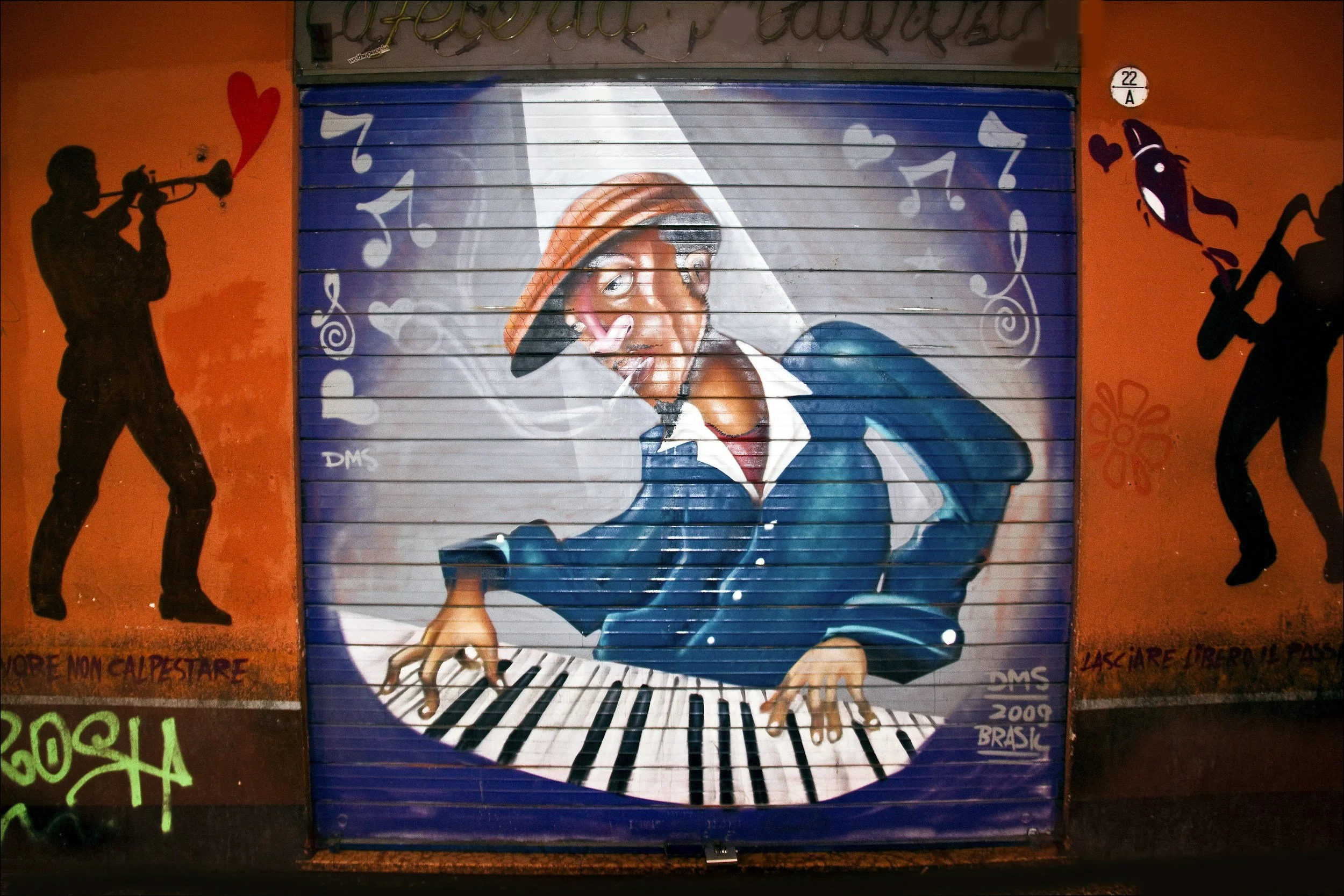
There are places in New York that perform.
Harlem does not perform.
It lives.
If you are visiting the city and you want something that feels rooted instead of manufactured, something that carries history without announcing it every five minutes, spend an evening in Harlem listening to live jazz.
Not the oversized concert venue version.
Not the tourist bus version.
A small room.
Low lights.
Tables close together.
A band that understands restraint.
This is where New York feels layered instead of loud.
And when you slow down enough to really listen, you realize something simple:
Jazz is not background music.
It is conversation.
Why Harlem Feels Different
Harlem is not just a neighborhood. It is a cultural anchor.
Walk along Lenox Avenue or St. Nicholas Park before heading into a club and you feel it immediately. Brownstones stacked with history. Murals honoring artists, activists, musicians. Churches that have carried generations of voices.
Harlem helped shape American music. The Harlem Renaissance did not just influence literature and art. It reshaped rhythm, expression, and identity. Jazz here is not a novelty. It is inheritance.
When you step into a small jazz room uptown, you are stepping into continuity.
The lighting is soft. The air carries faint notes of wood, aged instruments, and quiet conversation. Glassware clinks gently. A drummer taps out a loose rhythm while a bassist tunes strings.
Nothing is rushed.
That pace is deliberate.
The First Note Changes the Room
When the first saxophone note cuts through the air, everything shifts.
Conversations lower. Bodies lean forward slightly. The room tightens its focus.
Live jazz is built on space. On tension between silence and sound. On restraint followed by release.
If you are moving too fast internally, you miss it.
Harlem jazz rewards stillness.
You notice:
The inhale before a horn solo
The drummer’s subtle brush work
The pianist’s left hand anchoring the melody
The slight nod between band members signaling transition
This is layered music. It demands layered listening.
And when you give it that attention, it gives something back.
Cannabis as a Listening Tool, Not a Distraction
Silly Nice was built around intention. Around the idea that cannabis, when used responsibly, can sharpen engagement rather than dull it.
In a jazz setting, excess ruins the experience.
Sedation disconnects you. Overstimulation pulls you inward. The balance point is clarity.
Products that preserve terpene expression and avoid artificial additives matter here. Clean inputs create clean perception.
The goal is not to blur the music.
It is to feel each note land.
Frosted Hash Ball and Depth of Sound
The Silly Nice Frosted Hash Ball is rooted in traditional hash-making technique. Full-spectrum, terpene-forward, crafted with patience.
That approach mirrors jazz itself.
Terpenes like Beta-Caryophyllene and Limonene create complexity rather than sharpness. When used responsibly and legally, a small, intentional session before entering a venue can deepen auditory perception.
You begin hearing separation between instruments.
The bass is no longer just low sound.
It is texture.
The cymbals are not just shimmer.
They are punctuation.
Hash carries warmth. In a dimly lit room with wood tables and brick walls, that warmth aligns with the atmosphere.
But again, restraint defines the experience.
Harlem jazz is about nuance.
So is good hash.
Papaya Wine and the Slow Burn of a Set
For experienced consumers who understand potency and timing, Diamond-Frosted & Live Resin Infused Papaya Wine flower offers layered intensity.
Jazz sets unfold gradually. They build tension, release it, then build again.
Papaya Wine carries tropical fruit and earthy spice undertones that complement the warmth of live brass and upright bass. When used sparingly and responsibly in a legal context, it can support:
Emotional openness
Deep focus
Body relaxation without mental fog
This is not about euphoria for its own sake. It is about receptivity.
When the saxophone stretches into a long note and the room goes silent, you feel it physically.
That is the point.
The Sensory Breakdown of a Harlem Jazz Night
Sight
Low amber lighting. Stage lights warming the brass of a saxophone. Shadows stretching across brick walls. Subtle head nods in the audience.
Under warm light, perception softens. Terpene profiles associated with calm and uplift can make edges glow slightly rather than blur.
Sound
Saxophone bending notes. Piano chords cascading lightly. Drums brushing instead of striking. Applause contained but sincere.
Cannabis used intentionally can enhance auditory layering. You notice breath inside the instrument. You notice how silence is used deliberately.
Smell
Wood floors. Polished brass. A faint trace of perfume or cologne drifting past.
Terpenes blend into the environment rather than dominating it.
Touch
The weight of the chair beneath you. The slight vibration of bass traveling through the floor. The warmth of a glass in your hand.
Body awareness heightens when mental chatter lowers.
Emotion
Reflection. Intimacy. Respect.
Jazz does not demand excitement. It invites introspection.
Harlem After the Show
Step outside after the final set.
The air feels different.
Streetlights cast a golden wash over brownstone stoops. Conversations spill lightly onto sidewalks. The city downtown is still buzzing, but uptown moves slower.
Walk a few blocks.
Let the music settle.
This is where travel becomes memory. Not in the loudest place, but in the layered one.
Harlem does not compete for attention. It earns it.
Responsible Enjoyment in Cultural Spaces
If you are visiting New York City, remember that cannabis is legal for adults 21 and over when purchased from licensed New York dispensaries.
Products are lab-tested. Certificates of Analysis are available at sillynice.com/menu for transparency. Respect legal boundaries. Respect shared spaces.
Jazz venues are intimate environments. Responsibility is non-negotiable.
Know your tolerance. Start small. Stay aware.
The goal is to enhance appreciation, not disrupt it.
Why This Night Feels Personal
There is something about Harlem jazz that feels human at its core.
It is imperfect in the right way. Notes stretch slightly longer than expected. Drummers improvise. Musicians exchange glances that carry entire conversations.
When you are fully present, you feel those exchanges.
Silly Nice was built from lived experience. From understanding that cannabis, when respected, supports connection rather than isolation.
In a small Harlem jazz room, connection is everything.
Between musicians.
Between strangers at neighboring tables.
Between you and the sound moving through the air.
The Memory You Carry Home
Years from now, when someone asks about your trip to New York, you may talk about skyscrapers or crowded avenues.
But privately, you will remember this:
A dimly lit room.
A saxophone bending into a note that lingered just a second longer than expected.
The way the bass vibrated lightly through the floor.
The calm that settled in your chest as the music unfolded.
That memory will not feel commercial.
It will feel earned.
Harlem does not rush.
Jazz does not rush.
And neither should you.
Slow down.
Listen carefully.
Feel every note.
That is New York at its most honest.