
From Seed to Shelf: What Goes Into High-Quality Cannabis in New York
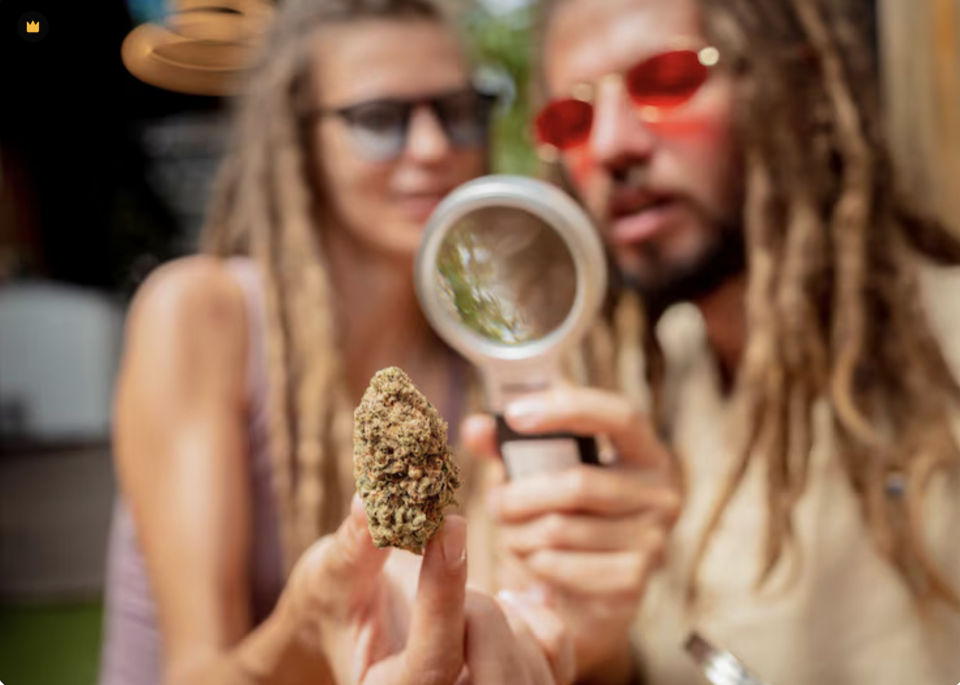
When someone buys cannabis in New York—whether in Manhattan, Brooklyn, Queens, the Bronx, or Long Island—they’re usually making a quick decision.
Strain name. THC percentage. Price.
What’s missing from that moment is everything that happened before the product made it to the shelf.
Cannabis doesn’t start as a finished product. It moves through a series of stages that determine how it will smell, taste, and feel.
Understanding that process changes how people choose what they buy.
It Starts With Genetics
Every cannabis product begins with genetics.
This determines:
Growth structure
Cannabinoid potential
Terpene profile
Some genetics are selected for yield and efficiency. Others are selected for flavor, aroma, and expression.
In small-batch cultivation, genetics are often chosen based on how they perform in real conditions, not just how much they produce.
That decision alone shapes everything that follows.
The Cultivation Phase
Once planted, cannabis enters the growth cycle.
This includes:
Vegetative stage (plant development)
Flowering stage (bud formation)
In high-volume environments, the goal is to optimize space and output.
In small-batch cultivation, the focus shifts to:
Monitoring plant health closely
Adjusting environmental conditions
Allowing each plant to reach its full potential
Factors like light, humidity, airflow, and nutrients all influence the final result.
Even small adjustments can impact terpene development.
Timing the Harvest
Harvest timing is one of the most important decisions in the entire process.
Harvest too early:
Cannabinoids may not be fully developed
Terpene expression may be incomplete
Harvest too late:
Certain compounds begin to degrade
The overall profile can shift
In large-scale operations, harvest timing may be influenced by production schedules.
In small-batch environments, it’s based on plant readiness.
That difference affects both potency and overall experience.
Drying: Slowing Everything Down
After harvest, cannabis is not ready to consume.
It needs to be dried carefully.
This stage removes moisture while preserving:
Terpenes
Cannabinoids
Structural integrity
Fast drying can:
Reduce flavor
Create harsh smoke
Flatten the experience
Slower drying, which is more common in craft production, helps maintain what makes the plant expressive.
Curing: Where Quality Is Refined
Curing is often overlooked, but it’s one of the most important steps.
During curing:
Remaining moisture is balanced
Flavor develops
Harshness is reduced
This process can take weeks.
In high-volume production, speeding up curing helps move product faster.
In small-batch production, extending this stage improves:
Smoothness
Aroma
Overall quality
This is where cannabis starts to feel complete.
Processing Into Final Products
After curing, cannabis can be prepared in different forms.
Flower
Trimmed, packaged, and stored for sale.
Concentrates
Products like:
Bubble Hash (ice-water extraction)
Frosted Hash Ball (traditional techniques)
Diamond Powder (refined cannabinoid concentration)
Each method requires a different level of control and expertise.
Solventless processes, like bubble hash, rely entirely on the quality of the starting material.
Infused Products
Infused flower combines:
High-quality flower
Concentrates like live resin or THCa
This creates a layered experience with both potency and terpene depth.
Vape Products
Vape cartridges and all-in-one devices depend on:
Clean extraction
Cannabis-derived terpenes
Consistent formulation
The goal is to preserve flavor while delivering a controlled, repeatable experience.
Testing and Transparency
Before reaching dispensaries, cannabis products in New York must be tested.
This includes:
Cannabinoid levels
Terpene profiles
Purity and safety
Certificates of Analysis (COAs) provide this information.
Brands that prioritize transparency make these results easy to access.
This helps consumers understand exactly what they’re buying.
Distribution and Shelf Life
Once products leave production, they enter distribution.
Time becomes a factor:
Storage conditions matter
Exposure to air and light affects quality
Terpenes continue to degrade
Small-batch products often move through this stage more quickly, helping maintain freshness.
Larger-scale products may spend more time in transit or storage.
That difference shows up when the product is opened and used.
Why the Process Matters to Consumers
Every step—from genetics to curing to distribution—affects the final experience.
Higher-quality cannabis typically reflects:
More time invested
More attention to detail
More control over each stage
Lower-cost cannabis often reflects:
Faster production cycles
Larger batch sizes
Greater emphasis on efficiency
Understanding this helps explain why products can feel different, even if they appear similar on paper.
Where Silly Nice Fits In
Silly Nice approaches cannabis as a process, not just a product.
Small-batch production focused on freshness
Full-spectrum concentrates like Bubble Hash and Frosted Hash Ball
Precision products like Diamond Powder
Infused flower designed for layered experience
Vape offerings using cannabis-derived terpenes
Each step is handled with attention to terpene preservation and overall integrity.
As a Black-owned, Veteran-owned brand rooted in New York, the focus remains on maintaining consistency while staying connected to the culture behind the plant.
Final Thought
Cannabis doesn’t begin at the dispensary shelf.
It begins with genetics and moves through a series of decisions that shape everything about the final product.
The more consumers understand that process, the easier it becomes to recognize quality.
And in a market as dynamic as New York, that understanding makes all the difference.