
Does Weed Help With Sleep?
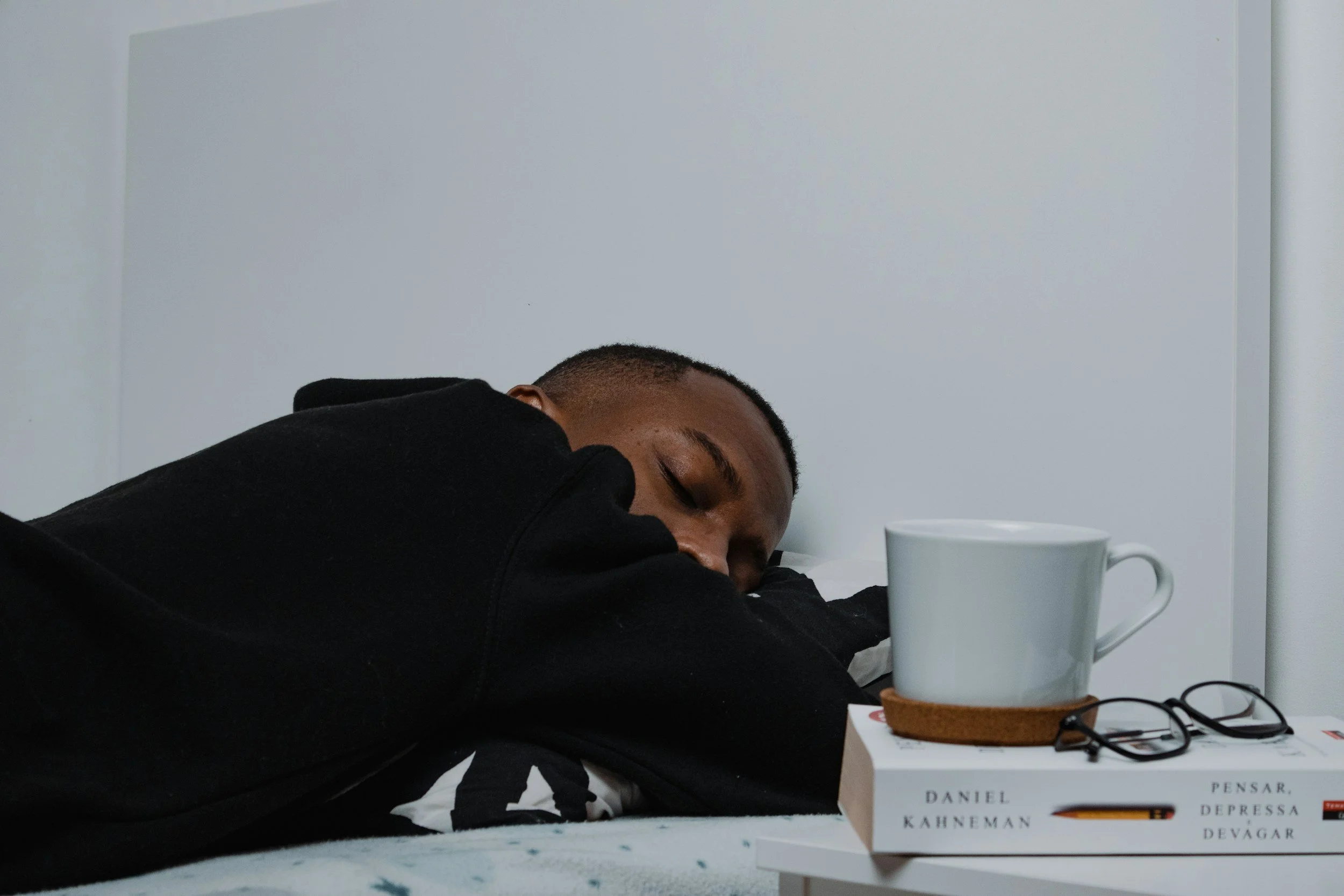
Sleep is essential for physical recovery, mental clarity, and overall well-being. Yet millions of people struggle with sleep disruptions ranging from occasional restlessness to chronic insomnia.
Because cannabis interacts with the body’s endocannabinoid system, many people have become curious about whether cannabis can influence sleep patterns.
The question appears frequently in cannabis conversations: does weed help with sleep?
Research into cannabis and sleep continues to evolve. While experiences vary from person to person, cannabinoids and terpenes are known to influence relaxation, stress response, and sensory perception—all factors that can play a role in how the body transitions toward rest.
Understanding how cannabis interacts with the body provides a clearer perspective on why some people use it as part of their nighttime routine.
The Endocannabinoid System and Sleep
The endocannabinoid system (ECS) is a biological network found throughout the human body.
This system helps regulate several physiological processes including mood, appetite, pain response, immune function, and sleep cycles.
Cannabinoids produced by the cannabis plant can interact with receptors within this system.
The primary receptors involved are CB1 and CB2 receptors.
CB1 receptors are heavily concentrated in the brain and central nervous system, where they influence neurological activity and sensory processing.
When cannabinoids such as THC interact with these receptors, they may influence processes connected to relaxation and sleep regulation.
THC and Sleep Response
THC, the primary psychoactive compound in cannabis, is known to affect brain activity in several ways.
Many consumers report that THC can promote relaxation, which may help the body shift toward a more restful state.
Some research suggests THC may influence the time it takes to fall asleep by interacting with neurological pathways that regulate sedation and stress.
However, responses to THC vary widely.
Higher doses may produce stimulating or disorienting effects for some individuals, while lower doses may feel calming.
Because cannabis experiences differ based on tolerance and individual biology, sleep-related effects can vary significantly between users.
Terpenes and Relaxation
Terpenes also play an important role in how cannabis may influence sleep.
These aromatic compounds contribute to the smell and flavor of cannabis while also interacting with the body’s biological systems.
Several terpenes commonly found in cannabis have been associated with calming characteristics.
Examples include:
Myrcene – often associated with earthy aromas and relaxing effects
Linalool – commonly found in lavender and sometimes associated with calming properties
Beta-caryophyllene – a terpene that interacts with cannabinoid receptors in unique ways
When combined with cannabinoids, these terpenes contribute to the overall chemical profile that shapes the cannabis experience.
Cannabis and Stress Reduction
Stress and anxiety are among the most common contributors to sleep disruption.
Cannabis interacts with neurological pathways that influence mood and stress response.
Some consumers report that cannabis helps reduce mental tension or racing thoughts before bedtime.
When stress decreases, the body may transition more easily into relaxation.
This indirect influence on stress levels may be one reason cannabis is often associated with nighttime use.
Cannabis and Sleep Cycles
Sleep occurs in multiple stages, including light sleep, deep sleep, and REM sleep.
Some research suggests THC may influence how these stages occur.
In particular, THC has been observed in some studies to reduce REM sleep, the stage associated with dreaming.
This effect may be relevant for individuals who experience vivid dreams or sleep disturbances.
However, research on cannabis and sleep cycles remains ongoing, and results vary depending on dosage, cannabinoid composition, and individual biology.
Edibles vs Inhaled Cannabis for Sleep
The method of cannabis consumption may also influence sleep experiences.
Inhaled cannabis—such as smoking or vaporizing—typically produces effects within minutes.
These effects often last two to four hours.
Edible cannabis, by contrast, must pass through the digestive system before entering the bloodstream.
Because of this process, edible effects may take longer to begin but can last significantly longer.
For some consumers, the extended duration of edibles may influence nighttime relaxation differently than inhaled cannabis.
Individual Differences Matter
Not everyone experiences cannabis in the same way.
Several factors influence how cannabis affects sleep:
• individual metabolism
• tolerance to THC
• terpene composition
• cannabinoid ratios
• dosage and consumption method
Because cannabis experiences vary widely, understanding personal tolerance and product chemistry can help consumers make informed choices.
Cannabis, Craftsmanship, and Transparency
As cannabis products evolve, many producers emphasize terpene preservation and cannabinoid transparency.
Understanding the chemical composition of cannabis products helps consumers better anticipate potential experiences.
Lab testing plays an important role in providing this transparency.
Certificates of Analysis often include cannabinoid percentages, terpene data, and safety testing information.
Access to this information allows consumers to make more informed decisions about the cannabis products they choose.
Silly Nice and Small-Batch Cannabis
Silly Nice approaches cannabis production with an emphasis on terpene-rich products, small-batch cultivation, and transparent lab testing.
Rather than focusing solely on THC levels, the brand prioritizes preserving the natural chemistry of the cannabis plant.
Products such as infused flower, bubble hash, and terpene-rich vape formulations highlight the importance of cannabinoid and terpene balance.
Each product is lab tested for purity and cannabinoid composition.
Consumers interested in reviewing detailed product information can access Certificates of Analysis at:
Cannabis and Sleep: An Ongoing Conversation
Cannabis has long been associated with relaxation and nighttime use, but research into its effects on sleep continues to develop.
Cannabinoids and terpenes interact with the body’s endocannabinoid system in ways that may influence relaxation, mood, and stress response.
Because sleep is influenced by many biological and environmental factors, cannabis experiences vary widely from person to person.
For consumers exploring cannabis as part of their nighttime routine, understanding cannabinoids, terpenes, and dosage can provide valuable insight into how the plant may interact with the body.
As cannabis science continues to expand, research will likely reveal even more about the complex relationship between cannabis and sleep.