
Diamond Powder: A Versatile Cannabis Concentrate Explained
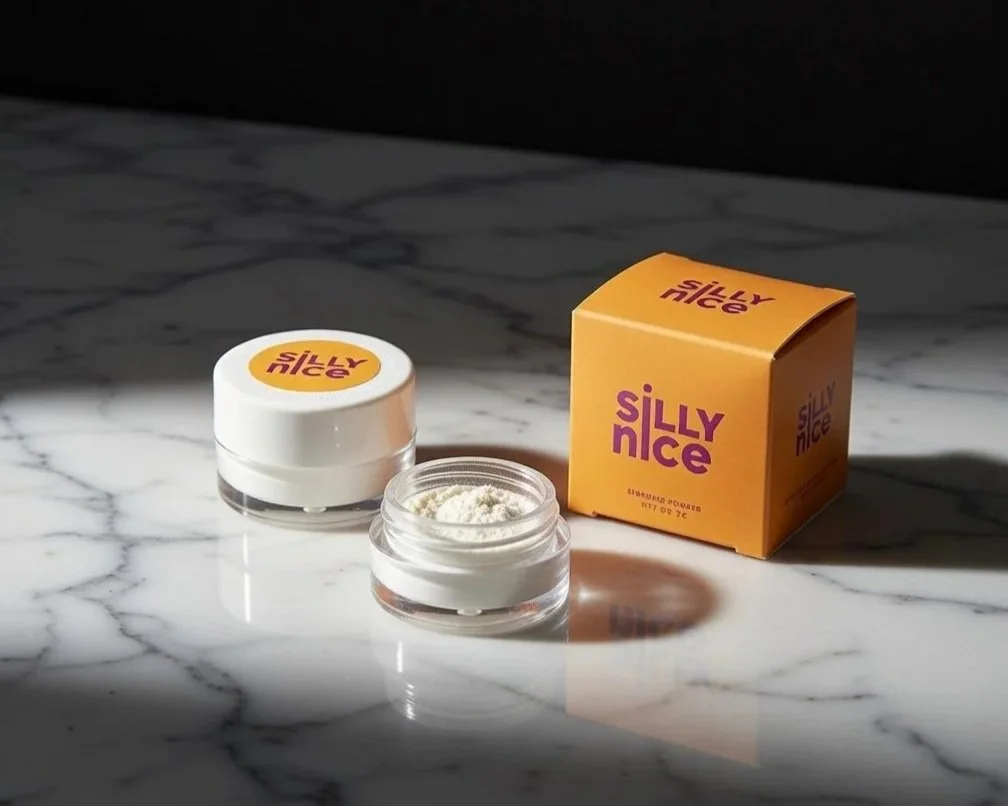
Cannabis concentrates continue to expand the range of products available in New York’s legal cannabis market. Among the many concentrate formats now appearing in dispensaries, one of the most intriguing is diamond powder.
This highly refined cannabis concentrate is created by isolating cannabinoid crystals and reducing them into a fine powder-like form. The result is a product that contains extremely high cannabinoid levels while offering remarkable versatility in how it can be used.
As consumers explore the growing world of cannabis concentrates, diamond powder represents an example of how modern extraction techniques are reshaping the way cannabis is experienced.
What Is Diamond Powder
Diamond powder is a cannabis concentrate derived from cannabinoid crystals, often created through processes similar to those used to produce THCa diamonds.
During cannabis extraction, cannabinoids and terpenes are separated from plant material through controlled techniques that isolate active compounds. In certain conditions, cannabinoids form crystalline structures.
These crystals can then be refined and processed into a powdered concentrate.
The resulting product typically contains a very high concentration of cannabinoids while maintaining the purity associated with crystalline cannabis extracts.
How Cannabis Crystals Form
Cannabis plants produce cannabinoids within trichomes, the resin glands found on cannabis flowers.
During extraction, cannabinoids are separated from plant material and suspended within a solution containing various cannabis compounds.
Under specific conditions of temperature, pressure, and time, THCa molecules begin to cluster together. These clusters eventually solidify into crystalline structures.
This crystallization process creates the foundation for several concentrate products, including cannabis diamonds and powdered crystalline concentrates.
Why High-Potency Concentrates Are Popular
Cannabis concentrates offer a way to experience the plant’s cannabinoids in more concentrated forms.
While traditional cannabis flower typically contains between 15% and 30% THC, certain concentrates can reach significantly higher cannabinoid levels.
For some consumers, these higher concentrations provide stronger effects while requiring smaller amounts of product.
This efficiency has contributed to the increasing popularity of concentrates across legal cannabis markets.
Ways Diamond Powder Can Be Used
One of the defining characteristics of diamond powder is its versatility.
Because the concentrate exists in a finely textured form, it can be incorporated into several cannabis consumption methods.
Common approaches include:
Enhancing Cannabis Flower
A small amount of concentrate can be sprinkled onto cannabis flower in a bowl or joint. This technique can increase potency while adding additional cannabinoids to the experience.
Concentrate Consumption
Some consumers prefer to vaporize or dab concentrates using devices designed for high-temperature cannabinoid vaporization.
These devices allow concentrates to be heated rapidly, converting cannabinoids into vapor that can be inhaled.
Infused Cannabis Products
Certain cannabis concentrates can also be incorporated into infused products, allowing cannabinoids to be integrated into edible or topical formulations.
Each method highlights different aspects of cannabis chemistry and cannabinoid delivery.
Cannabinoids and the Entourage Effect
Cannabis contains more than one hundred cannabinoids in addition to THC.
These compounds include:
CBG
CBN
CBC
THCV
When cannabinoids interact with terpenes, they contribute to the phenomenon commonly known as the entourage effect.
The entourage effect describes how different cannabis compounds work together to influence the overall experience.
While highly refined concentrates may contain primarily one cannabinoid, many cannabis products are designed to preserve a broader cannabinoid profile.
Terpenes and Flavor
Terpenes are aromatic compounds responsible for the distinctive scent and flavor of cannabis.
These molecules also interact with cannabinoids and influence how cannabis feels when consumed.
Common terpenes found in cannabis include:
Limonene, associated with citrus aromas
Myrcene, which contributes earthy notes
Beta-Caryophyllene, known for peppery fragrance
Pinene, recognized for pine-like scents
Terpene preservation has become an important consideration in modern cannabis extraction.
Transparency in the Legal Cannabis Market
One of the most important aspects of New York’s regulated cannabis market is laboratory testing.
Before cannabis products can be sold in licensed dispensaries, they must undergo testing to verify potency and screen for contaminants such as pesticides, heavy metals, and residual solvents.
Certificates of Analysis provide detailed information about cannabinoid content and product safety.
Consumers interested in reviewing lab-tested cannabis products and cannabinoid profiles can explore available options at:
Transparent testing helps ensure that consumers have access to accurate product information.
Innovation in Cannabis Concentrates
The cannabis industry continues to evolve as extraction technologies improve and consumer knowledge expands.
Concentrates such as diamond powder illustrate how modern techniques can isolate cannabinoids with remarkable precision. These innovations provide new ways to experience cannabis while highlighting the plant’s complex chemistry.
As New York’s cannabis market continues to develop, the variety of concentrates available to consumers will likely continue to grow.
From traditional solventless hash to highly refined crystalline extracts, cannabis concentrates offer a wide spectrum of experiences shaped by science, craftsmanship, and respect for the plant.