
Cannabis Built for Real Life, Not Algorithms
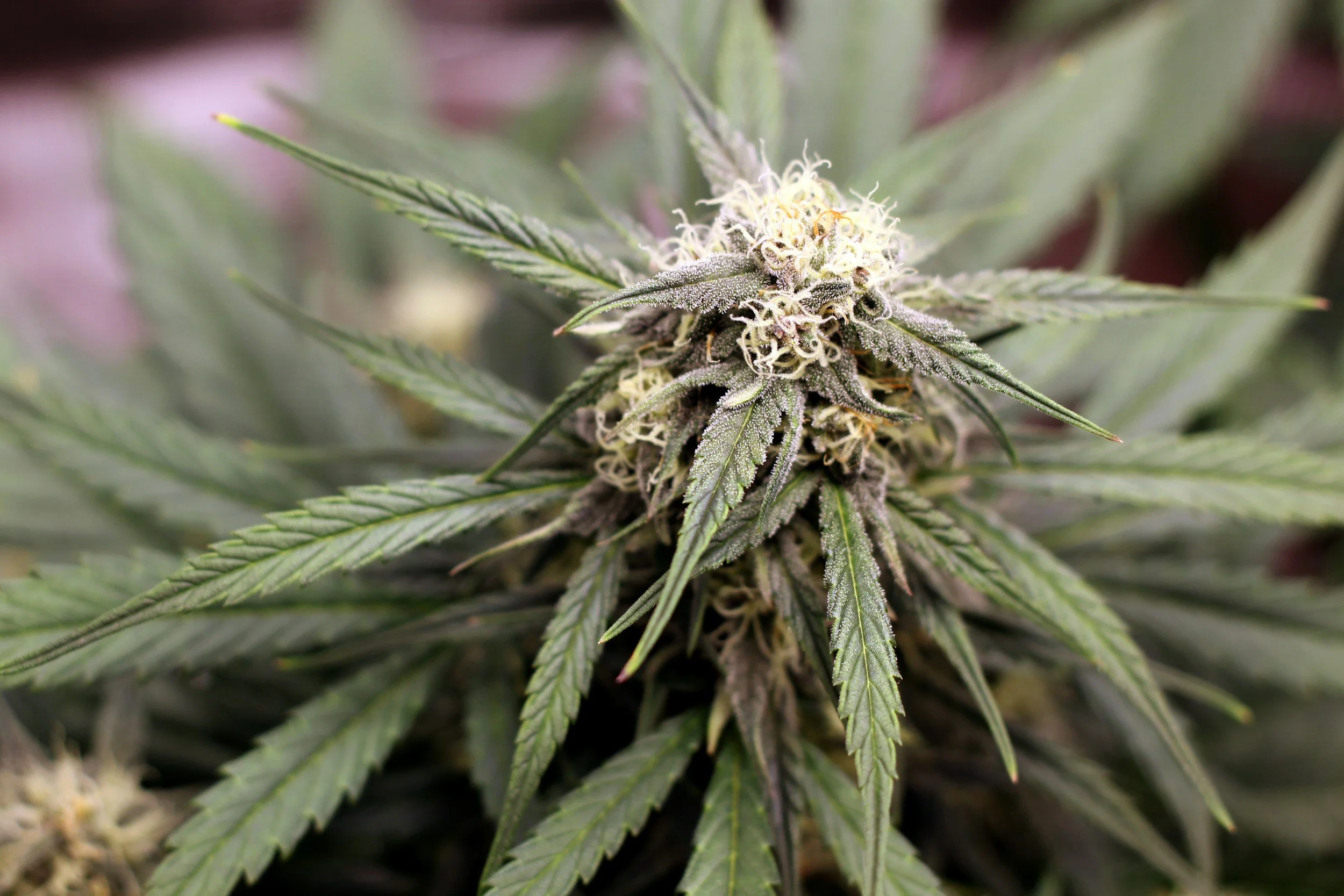
Cannabis did not start as a lifestyle accessory. It did not begin as a trend, a brand aesthetic, or a marketing category. For many people, especially those who came up before legalization, cannabis was simply a way to get through the day with a little more comfort, a little less pain, or a little more balance.
In New York, that relationship with cannabis has always been practical. This is a city that demands a lot from the people who live in it. Long commutes. Tight spaces. Loud streets. Physical work. Mental overload. Emotional stress. There has never been much room here for fantasy. What works, works. What does not, gets dropped quickly.
As cannabis becomes more visible and more commercial, it is easy to forget that most people are not chasing extremes. They are not looking to disappear. They are looking to function better. They want something that fits into real life. Something that feels reliable. Something that does not require hype to justify its value.
That is where the idea of cannabis built for real life begins.
Living With Cannabis Instead of Around It
For many New Yorkers, cannabis is not something reserved for weekends or special occasions. It lives alongside daily routines. After work. Before sleep. During moments of quiet. Sometimes to help the body relax. Sometimes to help the mind slow down. Sometimes just to take the edge off a long day.
This kind of relationship with cannabis develops over time. It comes from experience, not novelty. People learn what works for them. They learn what strains feel too heavy. What products feel clean. What kinds of highs support their lives instead of interrupting them.
This is very different from how cannabis is often presented online. A lot of content focuses on extremes. Highest THC. Strongest hit. Fastest effects. While potency has its place, it is rarely the full story. Anyone who has used cannabis consistently knows that quality shows up in subtler ways.
Clean highs. Smooth transitions. Predictable effects. The absence of anxiety or mental fog. These things matter more over time than raw numbers.
Why New York Cannabis Culture Is Its Own Thing
New York cannabis culture did not grow in isolation. It was shaped by immigration, music, art, labor, and necessity. People brought traditions with them. Hash from Europe. Flower from the West Coast. Homegrown knowledge passed quietly between friends and family.
Because cannabis was illegal for so long, people learned to be discerning. You could not afford to waste money or time on bad product. You learned quickly who had quality and who did not. You learned to value consistency.
That mindset did not disappear with legalization. If anything, it became sharper. Now that shelves are full, the differences between products are more visible. Some weed looks good but smokes rough. Some hits hard but leaves you anxious. Some is strong but empty.
New Yorkers notice these things. They talk about them. They remember how products make them feel days later, not just minutes after consumption.
Small-Batch Cannabis and Why It Still Matters
In a legal market, scale is often framed as success. Bigger operations. More SKUs. Wider distribution. But scale does not automatically produce better cannabis. In fact, it often does the opposite.
Small-batch cannabis allows for attention. It allows for adjustments. It allows for quality control that is difficult to maintain when output becomes the primary goal. When cannabis is made in smaller quantities, it is easier to ensure freshness. Easier to track consistency. Easier to maintain standards.
This is especially important for concentrates and infused products. High-potency items demand precision. Small changes in process can lead to big changes in experience. When care is rushed or automated without oversight, the results show up quickly.
People who use cannabis regularly can feel the difference between something that was made carefully and something that was pushed through a system.
Potency Without Chaos
There is nothing wrong with strong cannabis. Potency can be useful. It can allow people to use less material for the same effect. It can support pain relief, sleep, and focus when used thoughtfully.
The problem is when potency becomes disconnected from intention.
Strong cannabis that is poorly made often feels chaotic. The high arrives suddenly. The comedown feels abrupt. Anxiety creeps in. The body feels tense instead of relaxed. These experiences turn people away from cannabis altogether.
Well-made high-potency cannabis behaves differently. The onset is smoother. The effects feel layered instead of overwhelming. The experience lasts without feeling exhausting. This is not accidental. It is the result of careful extraction, terpene preservation, and cannabinoid balance.
Understanding this difference changes how people think about cannabis strength. It stops being about chasing numbers and starts being about how those numbers translate into lived experience.
Terpenes Are Not Just Flavor
Terpenes are often discussed as aroma or taste, but their influence goes far beyond flavor. They shape how cannabinoids interact with the body and mind. They influence whether a high feels energizing or grounding. Whether it promotes focus or rest.
In real-world use, terpene profiles matter as much as THC percentages. Two products with similar potency can feel completely different depending on their terpene makeup.
People who pay attention to these differences tend to have more positive long-term relationships with cannabis. They are better at choosing products that support their goals instead of working against them.
This is part of what separates casual use from intentional use.
Cannabis as a Tool, Not an Escape
One of the most persistent misconceptions about cannabis is that it is about checking out. For many adults, it is the opposite. Cannabis helps them check in.
It can help people slow their thoughts enough to process emotions. It can help the body release tension after physical labor. It can help people sleep when stress keeps them awake. It can help people feel present instead of overwhelmed.
This kind of use requires respect for the plant and for oneself. It requires listening to how different products affect different situations. It requires knowing when less is better than more.
This is not glamorous, but it is sustainable.
Generational Relationships With Cannabis
Cannabis does not belong to one age group. Many families have quiet histories with the plant. Older generations used it discreetly for pain or rest. Younger generations may approach it more openly, but the underlying needs are often similar.
As legalization normalizes cannabis, these conversations become easier. People share what works. They talk about dosage. They compare experiences. This exchange of knowledge builds healthier relationships with the plant.
Brands that understand this dynamic tend to speak differently. They do not talk down to new users or posture for experienced ones. They recognize that people come to cannabis from different places and at different stages of life.
Trust Is Built Over Time
In cannabis, trust is everything. People put these products into their bodies. They want to know what they are consuming. They want transparency. They want consistency.
Lab testing matters, but trust goes beyond certificates. It shows up in how products feel over repeated use. It shows up in whether a brand acknowledges limits instead of making exaggerated claims. It shows up in whether people feel respected instead of sold to.
Brands that last are the ones that understand this. They focus on doing fewer things well instead of many things poorly. They let their products speak through experience instead of volume.
New York Expectations Are High
New Yorkers are not easily impressed. This applies to food, fashion, music, and cannabis. When something earns loyalty here, it is because it consistently delivers.
This is why word of mouth still matters so much in this city. People trust recommendations from friends more than marketing. They remember how something made them feel and whether it fit into their lives.
Cannabis brands that understand New York culture tend to avoid shortcuts. They know that cutting corners may produce short-term gains but long-term damage.
Cannabis and Responsibility
Legal cannabis comes with responsibility. Not just legal responsibility, but cultural responsibility. How products are made. How they are described. How people are encouraged to use them.
Responsible cannabis acknowledges limits. It encourages moderation. It respects the fact that everyone’s tolerance and needs are different.
This approach does not reduce enjoyment. It increases it. People feel safer experimenting. They build confidence. They develop preferences that serve them well over time.
Sustainability Is Not a Slogan
Sustainability in cannabis is often treated as branding language. In reality, it is about choices. Packaging. Sourcing. Waste. Longevity.
Small decisions compound over time. Using recycled materials. Avoiding unnecessary excess. Designing products meant to be used deliberately instead of burned through quickly.
These choices reflect values. They signal how a brand thinks about its role in a larger ecosystem.
Cannabis That Grows With You
One of the most overlooked aspects of cannabis is how people’s relationships with it change over time. What works at one stage of life may not work at another. Tolerance changes. Needs change. Responsibilities change.
Brands that recognize this tend to create products that can be used flexibly. Products that allow for customization. Products that fit different moments instead of demanding a specific kind of user.
This flexibility is part of what makes cannabis sustainable as a long-term tool instead of a temporary novelty.
Culture Over Hype
Cannabis culture existed long before legalization. It was built quietly through shared knowledge, mutual trust, and lived experience. Legal markets sometimes forget this.
Hype fades quickly. Culture does not.
Brands rooted in culture tend to move differently. They speak plainly. They value education. They respect the plant and the people who use it.
This is especially important in New York, where culture is constantly evolving but deeply memory-driven.
Cannabis as Connection
At its best, cannabis brings people together. Conversations slow down. Barriers soften. People listen more. They reflect. They share.
This does not happen by accident. It happens when cannabis is approached with intention instead of excess.
This is why so many people associate their best cannabis experiences with quiet moments. At home. With trusted friends. With family. With themselves.
Looking Forward
As the cannabis industry continues to grow, the brands that endure will be the ones that understand why people use cannabis in the first place. Not to impress. Not to escape. But to live a little better.
Cannabis built for real life does not need to shout. It shows up consistently. It earns trust slowly. It becomes part of routine instead of spectacle.
In a city like New York, where authenticity is tested daily, this approach is not just preferable. It is necessary.
Cannabis will continue to evolve. Products will change. Technology will improve. Regulations will shift. But the core needs that brought people to cannabis in the first place will remain the same.
Relief. Balance. Connection. Care.
Cannabis that honors those needs will always find its place.