
Cannabis and Protecting Sleep Quality Without Wrecking Tomorrow
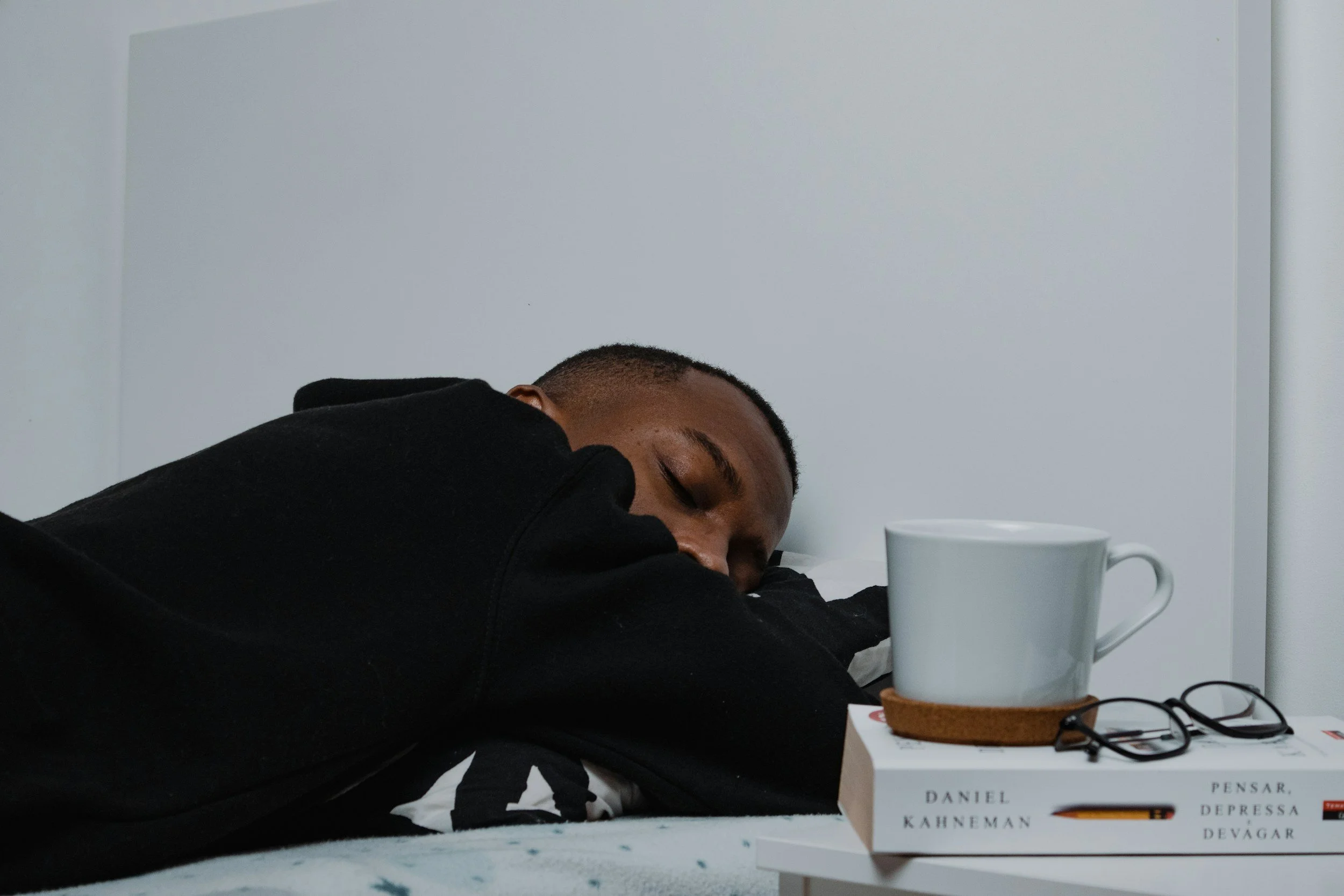
Sleep is the quiet foundation everything else rests on.
In New York, sleep is often the first thing sacrificed. Late nights, early mornings, long commutes, packed calendars, and screens that never stop glowing all chip away at rest. Many people turn to cannabis to help them wind down—but when sleep quality starts slipping, cannabis often gets blamed.
The reality is more precise: misaligned cannabis habits disrupt sleep. Intentional ones protect it.
At Silly Nice, we believe cannabis should help you close the day—not stretch it, fragment it, or borrow energy from tomorrow.
Falling Asleep Is Not the Same as Sleeping Well
This is the most misunderstood part of cannabis and sleep.
Cannabis can make falling asleep feel easier. That doesn’t automatically mean sleep quality is improving. Deep sleep, REM cycles, and circadian rhythm matter just as much as how fast your head hits the pillow.
When cannabis is used incorrectly, it can:
Shorten deep sleep
Delay REM cycles
Increase nighttime wake-ups
Create next-day fog
Protecting sleep quality means respecting how sleep works—not just chasing unconsciousness.
Why Sleep Gets Fragile in the City
New York overstimulates the nervous system.
Noise, light, pressure, and constant input keep the brain alert long after the body is tired. Cannabis can help signal safety and rest—but only if it doesn’t add stimulation of its own.
Potent cannabis without intention often creates mental activity even while the body relaxes. The result is light, fragmented sleep that doesn’t restore.
Silly Nice products are potent by design, which makes subtlety especially important at night.
Dose Is the Biggest Sleep Lever
Sleep-friendly cannabis is almost always lower dose cannabis.
Smaller amounts tend to:
Reduce mental chatter
Ease physical tension
Support nervous system downshifting
Larger doses often:
Increase mental wandering
Extend wakefulness
Disrupt sleep cycles
If cannabis helps you fall asleep but leaves you groggy the next day, the dose is likely too high for your sleep needs.
Silly Nice products respond clearly at low doses, which is ideal for nighttime use.
Timing Matters More Than Most People Think
Using cannabis right before bed often feels logical—but it’s not always optimal.
Cannabis used too close to sleep can:
Delay natural sleep architecture
Increase nighttime stimulation
Create rebound wakefulness
Many people sleep better when cannabis is used earlier in the evening, allowing effects to settle before bed.
Think of cannabis as part of your wind-down—not the last thing before lights out.
Protect the Wind-Down Window
Sleep doesn’t start at bedtime.
It starts with the wind-down window—the 60–120 minutes before sleep when stimulation gradually decreases. Cannabis can support this window—but only if the environment matches the intention.
Pairing cannabis with:
Dim lights
Reduced screen time
Slower movement
Quiet activities
…signals the nervous system that rest is coming.
Pairing cannabis with intense shows, scrolling, or late-night problem-solving keeps the brain active.
Avoid Using Cannabis to Override Exhaustion
Using cannabis to “push through” exhaustion often backfires.
When you’re overtired, the nervous system is already dysregulated. Cannabis layered on top can feel jittery or mentally active rather than calming.
On those nights, less—or none—often leads to better sleep.
Rest should come from rest, not sedation.
Full-Spectrum Supports More Natural Sleep Transitions
Sleep quality benefits from balance.
Full-spectrum cannabis tends to feel smoother and more rounded. Effects arrive gradually and resolve cleanly, which aligns better with natural sleep rhythms.
Isolate-heavy products often feel abrupt, which can interfere with sleep continuity.
Silly Nice prioritizes full-spectrum formulation to support gentle transitions into rest.
Watch for the “Second Wind” Effect
A common sleep-disrupting pattern is the second wind.
Cannabis may initially relax you—but if the dose is too high or timing is late, mental activity ramps up again. Thoughts wander. Creativity sparks. Sleep gets pushed.
This is a sign to adjust timing or reduce dose—not to stack more cannabis.
Sleep works best when the mind slows steadily, not in waves.
Protect REM Sleep Over Time
REM sleep matters for memory, emotional regulation, and mental clarity.
Heavy or frequent cannabis use can suppress REM sleep. Over time, this shows up as:
Emotional dullness
Reduced dream recall
Poor stress processing
Next-day mental fatigue
Protecting REM doesn’t require quitting cannabis—it requires moderation, timing, and recovery nights.
Silly Nice products are designed to be used intentionally, not nightly by default.
Build Cannabis-Free Sleep Nights
One of the most effective sleep strategies is variety.
Having some nights where sleep happens without cannabis:
Preserves sleep architecture
Prevents dependency
Keeps cannabis effective
These nights don’t need to be rigid or frequent. Even one or two per week can improve overall sleep quality.
Sleep Improves When Cannabis Is Not the Only Tool
Cannabis can support sleep—but it shouldn’t be the only tool.
Sleep quality improves dramatically when cannabis is paired with:
Consistent bedtimes
Morning light exposure
Physical movement
Stress boundaries
Cannabis works best when it supports good sleep hygiene—not when it compensates for missing it.
Why Sleep Protection Matters More in New York
New York punishes poor sleep.
Lost rest compounds quickly here—focus drops, tolerance rises, emotional regulation weakens. Cannabis that disrupts sleep quietly undermines everything else.
People who last in this city protect sleep aggressively.
Silly Nice was built for people who want to feel good tomorrow, not just tonight.
Signs Cannabis Is Supporting Sleep Quality
Positive signals include:
Easier wind-down
Deeper sleep
Clearer mornings
No urge to re-dose
These suggest alignment.
Signs Cannabis Is Disrupting Sleep
Watch for:
Late-night stimulation
Nighttime wake-ups
Morning fog
Increasing reliance
These are cues to adjust timing, dose, or frequency.
A Sleep-Protective Cannabis Framework
A sustainable approach looks like:
Smaller doses
Earlier evening use
Cannabis paired with low stimulation
Cannabis-free sleep nights built in
Willingness to skip use when tired
This protects sleep without eliminating enjoyment.
Using Silly Nice Products Without Sacrificing Sleep
Silly Nice products are potent, precise, and intentionally crafted.
They respond clearly at low doses. They support relaxation without sedation. They integrate into evenings without stealing rest from tomorrow.
To explore the full Silly Nice lineup, read detailed product information, and find a licensed New York dispensary closest to you, visit:
Sleep isn’t something to hack—it’s something to protect. When cannabis is used intentionally, it can support rest without disrupting the rhythms that keep you sharp, resilient, and present. Silly Nice exists to help you enjoy cannabis and wake up clear, built for real nights in a city that never truly sleeps.