
Cannabis After Work in New York: How People Actually Wind Down
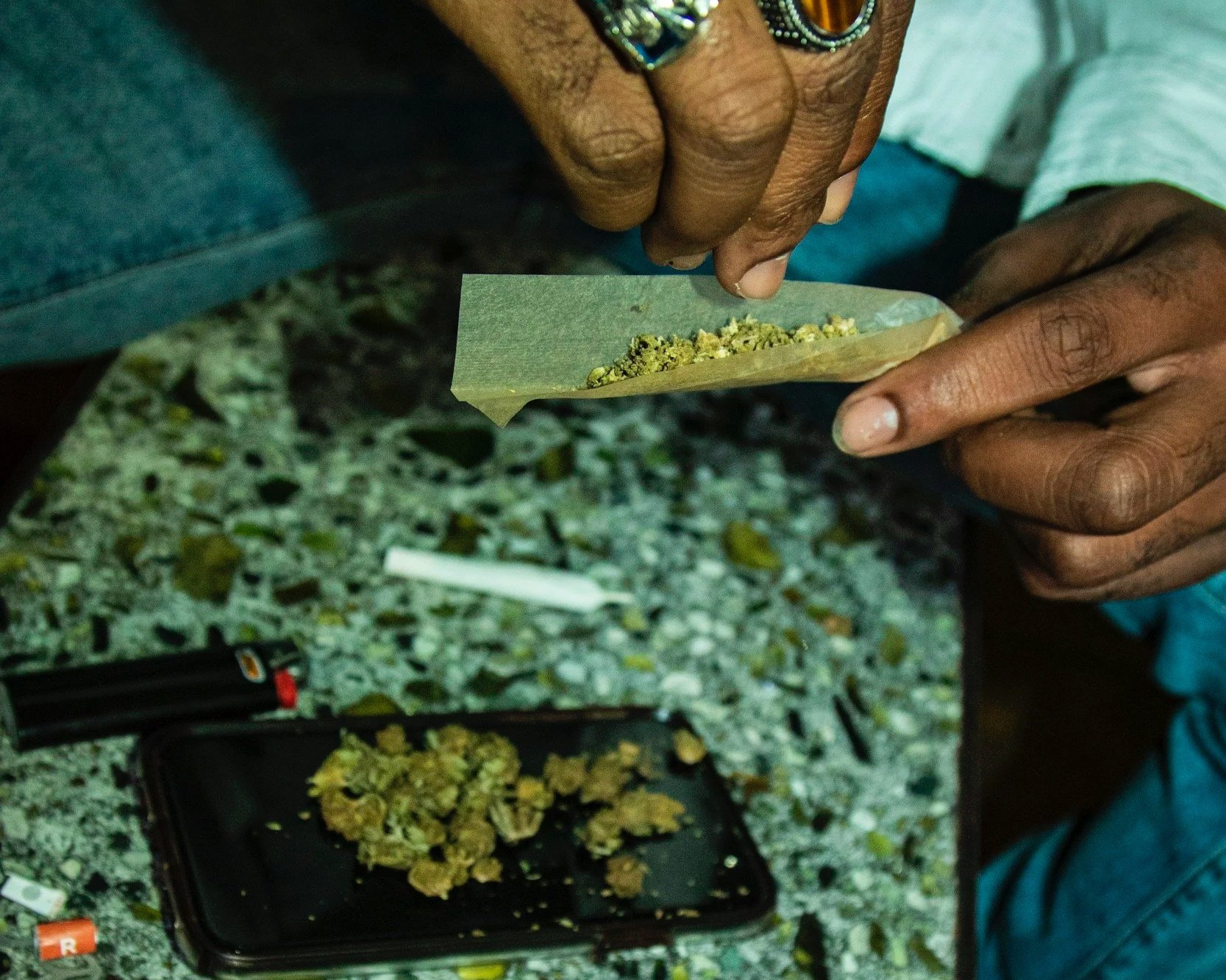
There’s a moment every New Yorker knows.
The workday ends, but the city doesn’t. Trains are still packed. Sidewalks are loud. Notifications keep coming. Even when you’re technically off the clock, your nervous system hasn’t caught up yet.
For many people, the real work begins after work. Transitioning. Decompressing. Letting go of the day without carrying it into the night.
This is where cannabis enters the picture—not as an escape, but as a bridge.
The Commute Is Only Half the Transition
Getting home doesn’t automatically mean you’re relaxed. The body might be sitting still, but the mind is often still racing.
People replay conversations. Think about unfinished tasks. Worry about tomorrow. The stress doesn’t shut off just because the door closes behind you.
Cannabis helps create a buffer between “on” and “off.” It slows things down just enough to make the shift possible.
Not dramatically. Not instantly. Just enough.
Why After-Work Cannabis Use Is Different
After-work cannabis use has a very specific goal: rest without regret.
People want to:
Let go of tension
Stay present
Enjoy their evening
Still function the next day
They don’t want to feel disoriented. They don’t want to overdo it. They don’t want to wake up foggy or behind.
This is why adults tend to be more intentional with cannabis than stereotypes suggest. They choose products and doses that support the evening instead of hijacking it.
The Ritual Matters More Than the Product
For many New Yorkers, the ritual around cannabis is just as important as the cannabis itself.
It might look like:
Changing out of work clothes
Making dinner
Opening a window
Sitting quietly for a few minutes
Putting the phone down
Cannabis fits into this ritual, not the other way around. It marks the moment when the day is officially done.
This is one reason rushed or overly aggressive products don’t work well for after-work use. They break the rhythm instead of enhancing it.
Small Amounts, Big Impact
One of the most common patterns among experienced users is using less after work than on days off.
A small bowl.
A single vape pull.
A light enhancement to flower.
That’s often enough.
After a long day, the nervous system is already activated. It doesn’t need a shock. It needs guidance.
High-quality cannabis makes this possible because it delivers effects efficiently. When products are well-made, a little goes a long way.
Why Clean Highs Matter Most at Night
After work, there’s no room for chaos.
Chaotic highs can:
Increase anxiety
Interrupt sleep
Make conversations harder
Pull attention inward too aggressively
Clean highs do the opposite. They soften edges. They slow thoughts. They allow people to be present without being overwhelmed.
This is why terpene-forward, balanced cannabis tends to work best in the evenings. The experience feels supported rather than forced.
Cooking, Cleaning, and Cannabis
A lot of after-work cannabis use happens during everyday tasks. Cooking dinner. Doing dishes. Folding laundry. Straightening up.
Cannabis can make these tasks feel lighter. Music sounds better. Movement feels smoother. Time passes more easily.
This isn’t about zoning out. It’s about easing into the evening.
When cannabis works well here, it fades naturally into the background instead of demanding attention.
Why Vapes Are Popular After Work
Vapes fit after-work life for practical reasons.
They’re:
Quick
Discreet
Easy to dose
Easy to stop
People can take one inhale, wait, and decide if they need more. There’s no pressure to finish anything. No commitment to a long session.
This level of control matters when the goal is relaxation, not intoxication.
When vapes are strain-specific and made with real cannabis-derived terpenes, the experience feels more predictable and less harsh.
Flower Still Has a Place
Despite the convenience of vapes, many people still prefer flower after work. There’s something grounding about it. The smell. The preparation. The familiarity.
Flower sessions tend to be slower. More deliberate. They invite pause.
For after-work use, people often mix lower amounts or blend flower with a small enhancement instead of smoking large quantities. The emphasis is on pacing.
Infused Products as Evening Enhancers
Infused flower and concentrates show up in after-work routines in subtle ways.
A pinch added to a bowl.
A light dusting instead of a full layer.
Used this way, infused products don’t overwhelm. They deepen the experience. They extend it. They reduce the need for repeated consumption.
This approach reflects maturity. It’s not about intensity. It’s about efficiency.
Cannabis and Conversation
One of the most overlooked aspects of after-work cannabis use is how it affects conversation.
Clean, balanced cannabis can:
Slow speech
Improve listening
Reduce defensiveness
Create openness
For people living with partners, roommates, or family, this matters. The evening is often the only time to connect meaningfully.
Cannabis that enhances communication instead of interrupting it becomes part of relationship maintenance.
Solo Time Matters Too
Not all after-work cannabis use is social. Sometimes it’s about being alone.
Reading. Listening to music. Sitting quietly. Letting the day dissolve without explanation.
Cannabis can make solitude feel intentional instead of isolating. It gives the mind permission to rest.
This kind of use is deeply personal and rarely visible, but it’s one of the most common patterns among adults.
Why Sleep Is Always in the Background
Even when cannabis isn’t being used specifically for sleep, sleep is always part of the equation.
People are thinking ahead. They don’t want to sabotage tomorrow. They want to wake up clear.
This is why dosage and timing matter so much after work. Too much, too late, can backfire. Small, earlier use often works better.
Over time, people dial this in for themselves.
Where Silly Nice Naturally Fits
Silly Nice products align with after-work use because they’re designed around control and intention.
The focus on small-batch production, terpene integrity, and high-quality concentrates supports measured consumption. Products are meant to be adjusted, not blasted through.
Whether it’s a light enhancement, a clean vape pull, or a slow flower session, the experience is meant to fit into real evenings with real responsibilities.
That’s why the brand resonates quietly instead of loudly.
The After-Work High Isn’t a High Point
For most adults, the after-work high isn’t meant to be the peak of the day. It’s meant to be the release.
It’s the moment where the body lets go. Where the mind slows down. Where the evening opens up.
Cannabis that supports this doesn’t need to announce itself. It just needs to work.
Building a Better Evening Routine
If you’re trying to improve your after-work cannabis experience, a few principles help:
Use less than you think you need
Start earlier rather than later
Choose products that feel predictable
Pay attention to how sleep is affected
Let cannabis support the routine, not define it
The goal isn’t escape. It’s ease.
The Bigger Picture
As cannabis becomes more normalized, these everyday use patterns will matter more than spectacle. The industry will mature not through louder branding, but through better alignment with real life.
After-work cannabis use isn’t flashy. It’s functional. It’s personal. It’s sustainable.
In New York, where work is intense and time is precious, cannabis that helps people wind down without falling apart earns its place quietly.
That’s how routines form. That’s how trust builds. And that’s how cannabis becomes part of life instead of something separate from it.