
As Alcohol Declines, Cannabis Takes the Spotlight
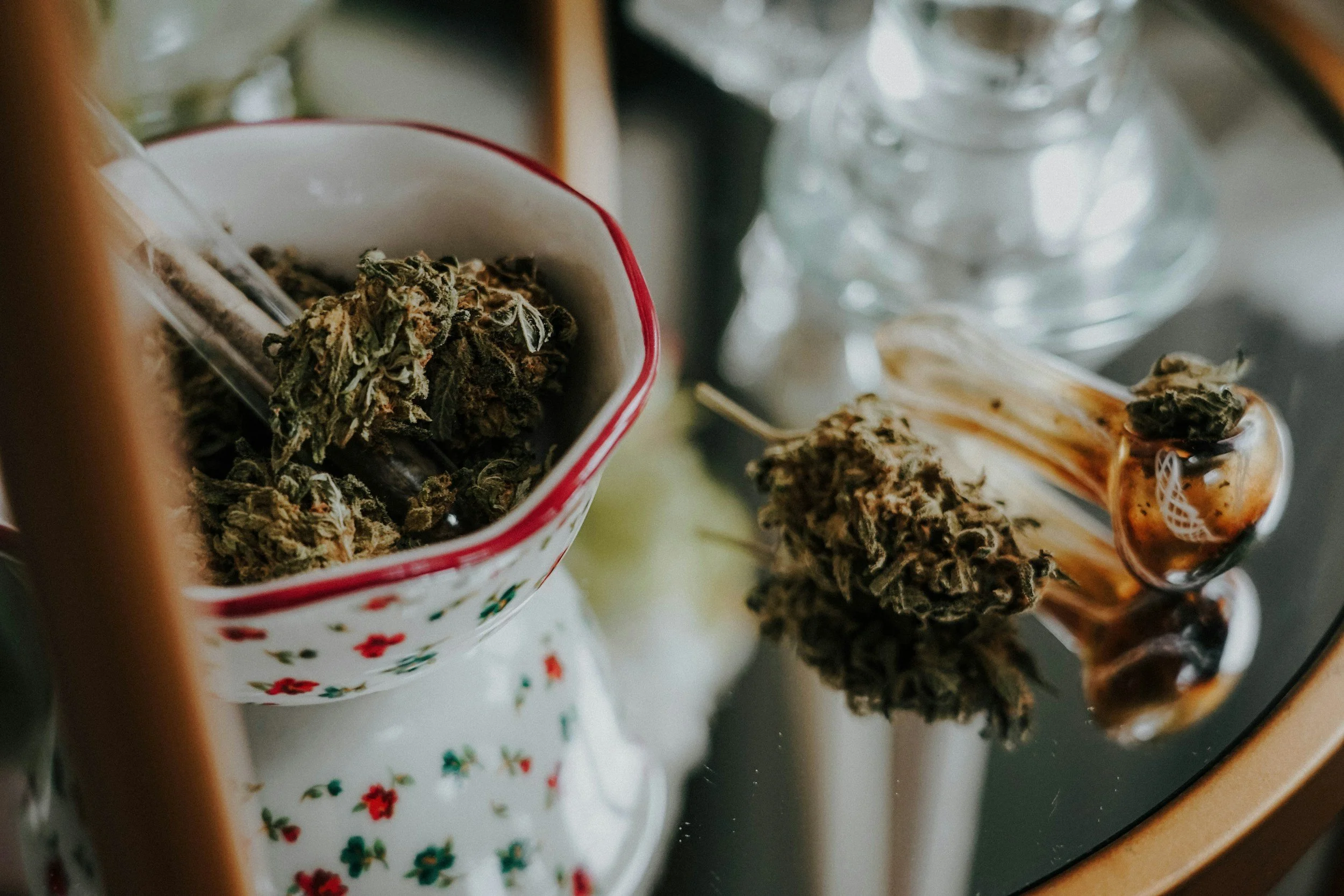
Cannabis is not just growing. It is replacing habits.
Across the United States, consumer behavior is shifting in a way that legacy industries cannot ignore. Alcohol sales are declining among younger adults. Sober-curious culture is expanding. Wellness conversations are evolving. And cannabis is increasingly becoming the preferred option for relaxation, creativity, and social connection.
At the same time, there has been a noticeable increase in mainstream articles highlighting the “dangers” of cannabis. The timing deserves scrutiny.
This is not random.
When markets shift, established industries respond. That response often includes lobbying, regulatory pressure, and strategic media narratives designed to slow competitors. Cannabis is now competing directly with alcohol for discretionary spending, and the numbers are not subtle.
The Consumer Shift Is Real
Younger generations are drinking less. Data from Gallup and multiple consumer research groups confirms that Gen Z consumes significantly less alcohol than Millennials did at the same age. Health consciousness, mental clarity, and fitness culture are reshaping nightlife and social norms.
Instead of waking up dehydrated and foggy, many adults are choosing regulated cannabis products that offer controlled dosing and no hangover.
That shift matters.
Cannabis is now part of conversations about stress management, creativity, sleep, and mindful social experiences. The legal market includes lab-tested flower, solventless concentrates, infused pre-rolls, and precisely formulated edibles and beverages. Consumers have options, transparency, and education that did not exist a decade ago.
Alcohol companies see this.
Why Negative Cannabis Headlines Are Increasing
When a disruptive industry gains traction, legacy players protect market share. The alcohol industry has one of the most established lobbying infrastructures in the country. Trade groups invest heavily in shaping tax laws, advertising restrictions, and retail frameworks.
Cannabis remains federally illegal, which makes it easier to frame through isolated incidents or worst-case narratives. Headlines often focus on emergency room visits tied to overconsumption without explaining dosing education or comparing data to alcohol-related hospitalizations.
Context matters.
According to the CDC, excessive alcohol use contributes to tens of thousands of deaths annually in the United States. Liver disease, drunk driving, cardiovascular complications, and long-term addiction costs are well documented.
Cannabis has no documented lethal overdose threshold. That distinction is frequently missing from alarmist coverage.
Cannabis Is Not Risk-Free
Responsible brands acknowledge reality. Cannabis is psychoactive. It requires education, responsible use, and age restrictions. Impaired driving is unacceptable. Overconsumption can happen, especially with edibles if consumers are inexperienced.
But balanced reporting requires proportional comparison.
Adults deserve transparent information, not selective framing influenced by economic interests.
The Real Competition
This is not a morality debate. It is a market shift.
Alcohol once dominated social rituals. Now microdosed edibles compete with wine. THC beverages compete with hard seltzers. High-potency concentrates compete with craft whiskey in entirely different ways.
The difference is that cannabis offers customization. Consumers can choose specific strains, terpene profiles, potency levels, and formats based on personal preference.
That control resonates with a generation that values autonomy and wellness.
Public Support Continues to Grow
National polling shows majority support for cannabis legalization. Red states and blue states alike are implementing medical programs. Adult-use markets are expanding.
The narrative that cannabis is uniquely dangerous conflicts with lived experience for millions of legal consumers who use responsibly.
Readers are not passive anymore. They research funding sources. They compare data. They understand advertising relationships.
Fear-based messaging is less effective in an era where information is accessible.
A Message to Alcohol Companies
Collaboration is an option.
Several global beverage companies have already explored cannabis-infused drink partnerships in Canada and select U.S. markets. Distribution networks, branding expertise, and retail infrastructure could complement regulated cannabis businesses.
Market history shows that industries survive when they adapt.
Those that refuse to evolve tend to shrink.
A Message to Media Outlets
Trust is currency.
When coverage disproportionately highlights cannabis risks while ignoring alcohol’s established public health record, credibility suffers. Balanced reporting strengthens public discourse. Sensationalism weakens it.
Consumers notice patterns.
A Message to the Cannabis Community
The industry must lead with integrity.
Education matters. Lab testing matters. Packaging transparency matters. Responsible marketing matters. Compliance matters.
If cannabis wants long-term legitimacy, it must operate at a higher standard than the industries it disrupts.
At Silly Nice, that means precision lab testing, clear dosing information, and respect for the plant and the consumer. It means understanding that growth comes with responsibility.
The Bigger Picture
This moment reflects economic tension. Alcohol sales are declining among younger consumers. Cannabis adoption is increasing. Lobbying and media narratives reflect that competition.
No amount of negative press can reverse generational behavior shifts driven by wellness, autonomy, and informed decision-making.
Consumers are choosing differently.
They are choosing fewer hangovers.
They are choosing plant-based alternatives.
They are choosing control.
Markets respond to demand. Not headlines.
The Future of Adult Consumption
The adult-use landscape will continue diversifying. Low-dose products, solventless concentrates, terpene-forward flower, and infused beverages are reshaping how adults relax and socialize.
Regulatory frameworks will evolve. Federal reform discussions will continue. Banking access and tax reform will eventually modernize the space.
Through it all, the core driver remains unchanged: consumer preference.
People are not abandoning alcohol because of propaganda. They are making choices aligned with how they want to feel the next morning.
Cannabis did not create alcohol’s decline. Consumer awareness did.
The question for legacy institutions is simple: adapt or fade.
For consumers, the path is clearer than ever. Seek facts. Demand transparency. Support responsible brands.
The shift is already happening.